A Sibling Is Not Always a ‘Gift’
The term assumes that adding a child to a family is for the best. But that’s not the case for everyone.
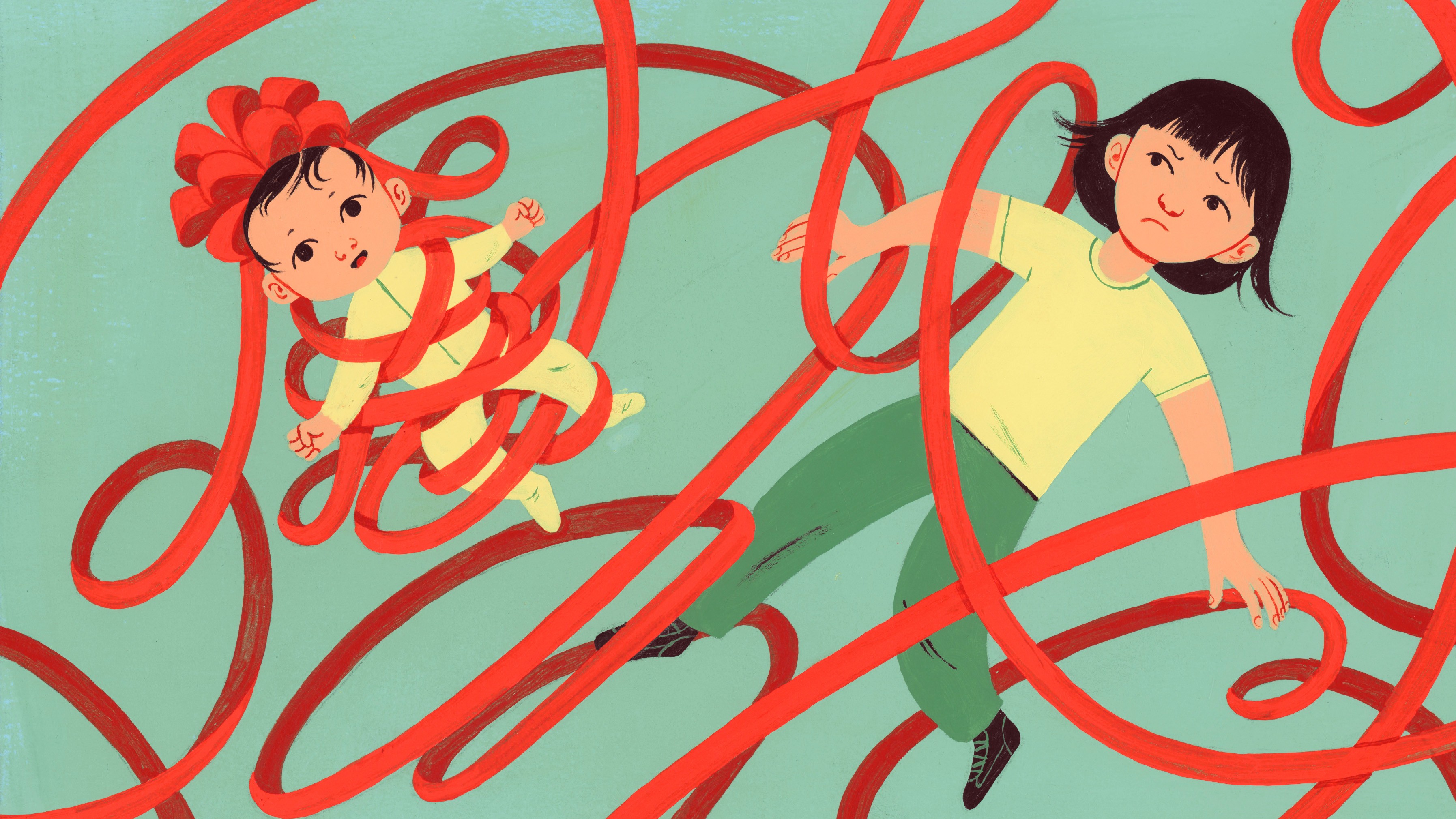
Samantha Savran, after welcoming her first child, received numerous pleas from family and friends to have a second baby. They argued that a sibling would be the ultimate "gift," offering companionship, support, and enriched childhood experiences. Savran, who had a positive bond with her own brother as a child, initially agreed. However, as she contemplated her decision, doubts began to surface.
The birth of her first child had been challenging, and she questioned whether a second child would truly be the best option for her son, who was already thriving. Moreover, she contemplated the financial implications and the strain a new sibling might place on their family's resources, which might otherwise be allocated to opportunities like Montessori preschool or a family trip to Japan.
The notion that parents should procreate to give their children siblings has become a prevalent sentiment in recent years. A recent New York Times op-ed by Catherine Pakaluk, a professor at Catholic University, argued that large families foster moral education akin to an engine generating heat. Another author in The Guardian wrote that she had "gifted her daughters each other," viewing this as a way to heal her own childhood loneliness.
Social media is rife with heartwarming images of siblings, with captions underscoring the idea that a baby brother is the universe's way of bestowing a little girl her first real love story.
While the idea of a sibling as a gift may seem benign, it can create significant pressure, guilt, and anxiety for parents, particularly women, who already bear a heavy burden of fertility expectations, caregiving responsibilities, and mental and physical health considerations. Furthermore, the assumption that a sibling bond is universally positive is questionable.
Sibling relationships, while often positive, can be complex and fraught with issues. Research shows that sibling ties can be both deeply supportive and contentious, with factors such as shared experiences, understanding of each other's triggers and flaws, and potential conflicts over caregiving responsibilities or parental care in later life contributing to both positive and negative outcomes.
A significant body of research indicates that the quality of the sibling relationship matters more than just the mere presence of a sibling. Aggression and abuse within sibling relationships are considered "invisible and widespread public health problems," with children exposed to such abuse experiencing worse mental health compared to those who are not.
Sibling sexual abuse, though underreported, is another concerning aspect that highlights the potential for sibling relationships to become sources of harm rather than support. Thus, while the idea of having a sibling as a gift is attractive, the reality is that the relationship between siblings is intricate and not uniformly beneficial.
Parents must weigh these complexities thoughtfully as they make the monumental decision of family size.
Written by urgent.news from The Atlantic's reporting — not their text. Machine-written — may contain errors; check the original before relying on it.