WTI Price Forecast: More pain likely if fails to hold $77
West Texas Intermediate (WTI), futures on NYMEX, holds onto early losses, trading 7.6% lower at around $78.60 during the Asian trading session on Monday.

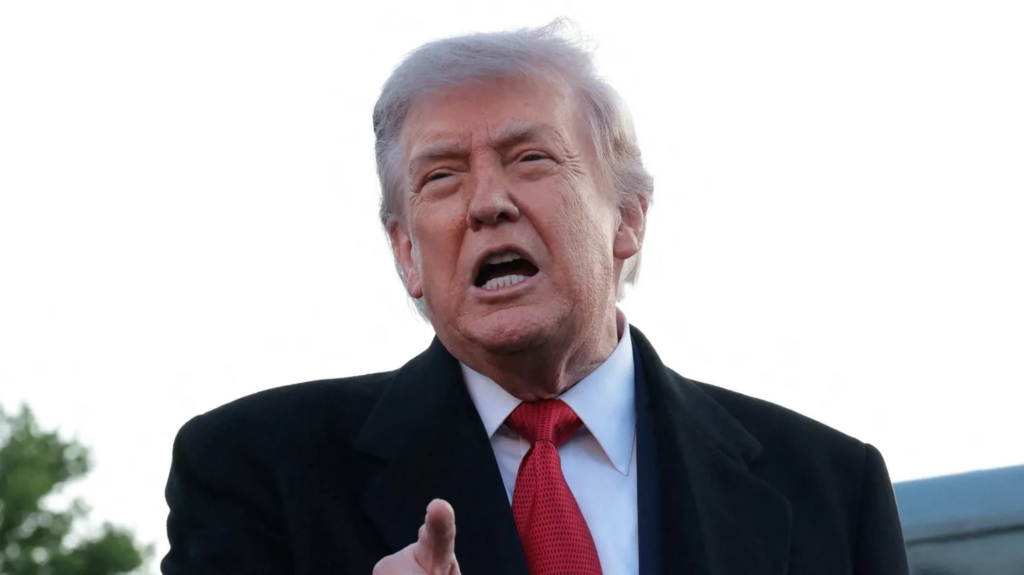
West Texas Intermediate (WTI) futures on NYMEX have been trading 7.6% lower at approximately $78.60 during the Asian trading session on Monday. This price decline has been attributed to selling pressure, following United States President Donald Trump's announcement on Truth Social. Trump revealed that planned attacks on Iran have been suspended, as Iran has agreed to surrender its nuclear ambitions and the Strait of Hormuz, a critical chokepoint for almost 20% of global energy supply, will be fully reopened.
This announcement has provided relief to global energy markets and boosted the odds of resuming peace talks with Iran, which in turn reduces fears of a prolonged energy supply disruption.
However, financial markets remain apprehensive about the sustainability of the ceasefire between the US and Iran. Analysts at IG Markets have warned that the situation could repeat itself, with hopes of a deal collapsing as Iran continues to leverage its control over the Strait, potentially through attacks on US bases or tankers transiting the waterway.
The WTI US Oil continues to trade lower at $78.70, with the price remaining below the 20-hour exponential moving average (EMA) at $81.18. This suggests that sellers still hold control after the recent retreat from the mid-$80s. The Relative Strength Index (RSI) at 34.20 indicates that the downside momentum is persistent but not yet exhausted.
On the upside, the first barrier to any recovery attempts is the 20-period EMA around $81.18. To ease immediate downside pressure, bulls would need to reclaim this key level. However, even if a break above the July 28 low at $77.16 occurs, the WTI Oil price still faces further challenges, as it may be exposed to the July 13 low at $72.53 if this support level is breached.
Supply and demand, global growth, political instability, wars, and sanctions, as well as the decisions made by OPEC, the Organization of the Petroleum Exporting Countries, continue to influence WTI Oil prices. The value of the US Dollar also plays a significant role, as Oil is predominantly traded in US Dollars. Changes in inventories, as reported by the American Petroleum Institute (API) and the Energy Information Agency (EIA), can impact the price of WTI Oil as well.
OPEC's decisions to lower or increase production quotas also have a significant impact on the price of WTI Oil.
Written by urgent.news from FXStreet's reporting — not their text. Machine-written — may contain errors; check the original before relying on it.