Trump suggests new talks with Iran to begin on Monday
US President Donald Trump has said new talks with Iran will begin on Monday, after calling off what he said would have been "massive" strikes on the country.
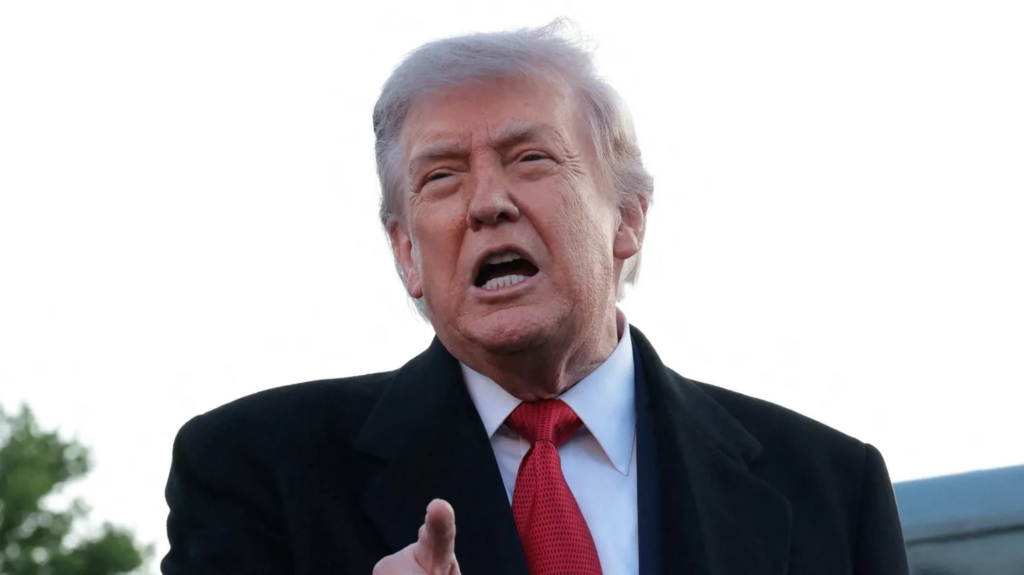
US President Donald Trump announced on Sunday that new talks with Iran will commence on Monday, following his decision to call off what would have been "massive" strikes on the country. The President claimed that Iran had been aware of the impending attack due to its visibility in the formation stages. Trump clarified that the negotiation process had commenced through a form of dialogue.
In a previous post on Truth Social, Trump reported that Iran and US allies in the Middle East had requested him to "hold off" any attack as the "perimeters" of a deal were previously agreed upon. Iran has not yet responded to Trump's remarks. The President reiterated his commitment to a negotiated end to the conflict, though he did not specify a deadline for a deal to be struck with Tehran.
He affirmed readiness to engage anytime, stating that "We're not looking to kill people." Notably, Saudi Arabia's Crown Prince Mohammed Bin Salman, along with US partners such as the United Arab Emirates and Qatar, had urged Trump against conducting strikes over the weekend, citing an expectation of a deal regarding Hormuz and the nuclear issue.
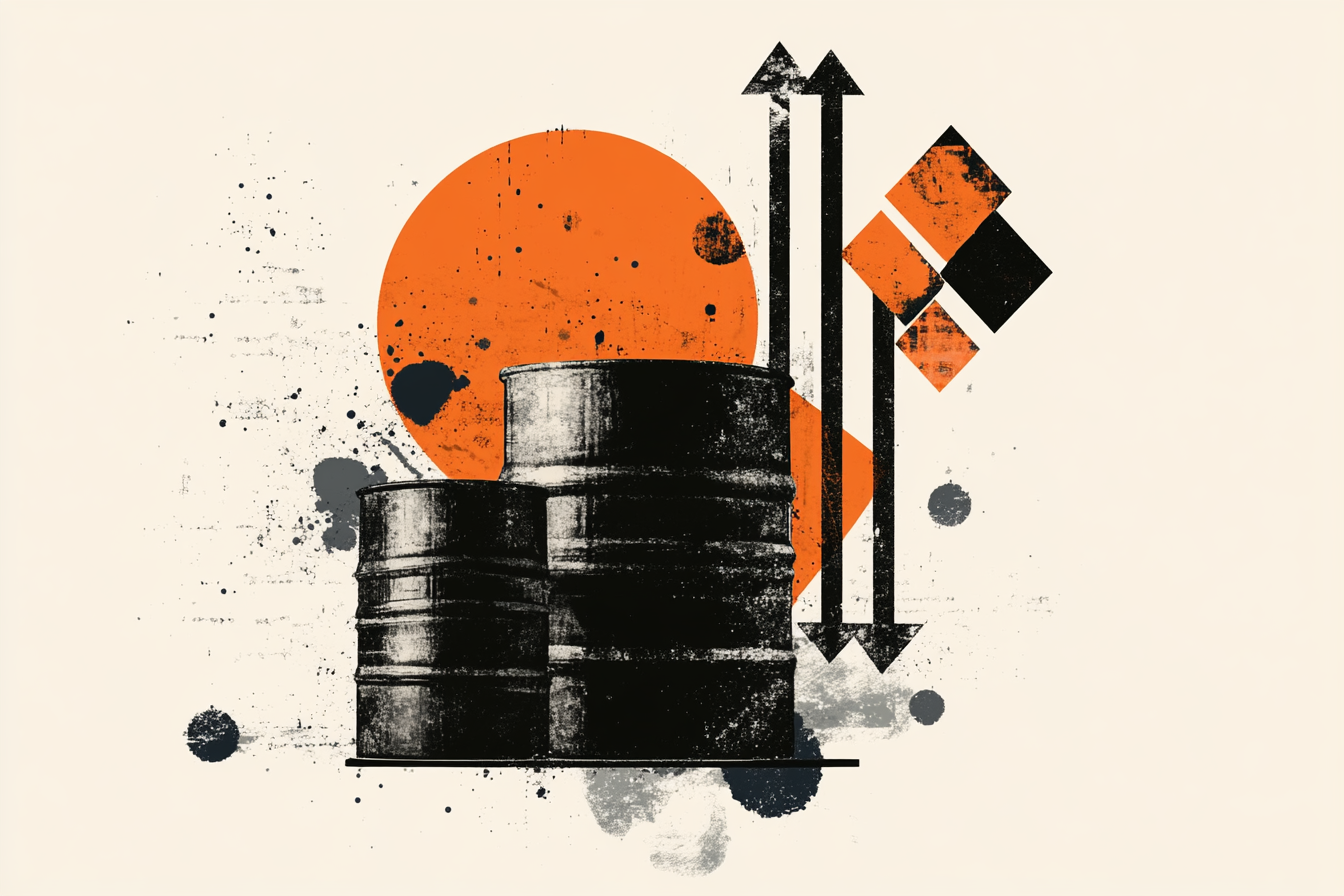
The drop in global oil prices, with Brent Crude oil falling by 4.5% to $83.98, and US-traded oil decreasing by 4.6% to $80.74, was attributed to Trump's announcement. Energy markets have shown volatility since the conflict began on February 28, as traders reacted to disruptions in shipping through the Strait of Hormuz. Iran's semi-official Mehr news agency refuted Trump's claim, asserting that Tehran had not asked the US to halt further military action, describing Trump's assertions as "nothing but a new lie."
Iranian Foreign Minister Abbas Araghchi indicated that negotiations with Oman regarding a deal on the Strait of Hormuz were "on track for finalization." Trump's announcement did not provide details on the venue for the talks on Monday or the potential attendees. During his remarks on Air Force One, Trump emphasized that the planned strikes would have been the largest since World War II, potentially derailing prospects of a negotiated resolution to the ongoing war.
The President declined to confirm whether he intended to target Iranian energy infrastructure, which international law experts have deemed a potential war crime. Iranian acting Defense Minister Majid Ibn al-Reza stated that Tehran perceives any threats from adversaries as "real and credible," even if they are part of psychological warfare.
He emphasized that Iran would neither be caught off guard nor remain passive. The US President has historically delivered dire warnings to Tehran, only to later claim that diplomacy was being granted a chance. On Saturday, Trump vowed that the US was "locked and loaded" for military action against Iran, akin to levels of "Military Terror, Strength, and Power not seen since World War II," but he later stated that cancelling the attack would benefit the world and the survival of a prosperous Iran.
In April 7, Trump warned of catastrophic consequences for Iran if it refused to engage in peace talks, threatening to destroy civilian infrastructure and power plants, which led to the historic face-to-face talks in Pakistan led by Vice-President JD Vance. However, those negotiations did not culminate in a deal. The Trump administration has largely dismissed data indicating the war and its economic impact are unpopular among Americans, including a significant segment of Republicans, sparking concerns among conservative strategists ahead of the November midterms.
Written by urgent.news from MyJoyOnline Ghana's reporting — not their text. Machine-written — may contain errors; check the original before relying on it.