What does Riad Salameh's arrest mean for Lebanon?
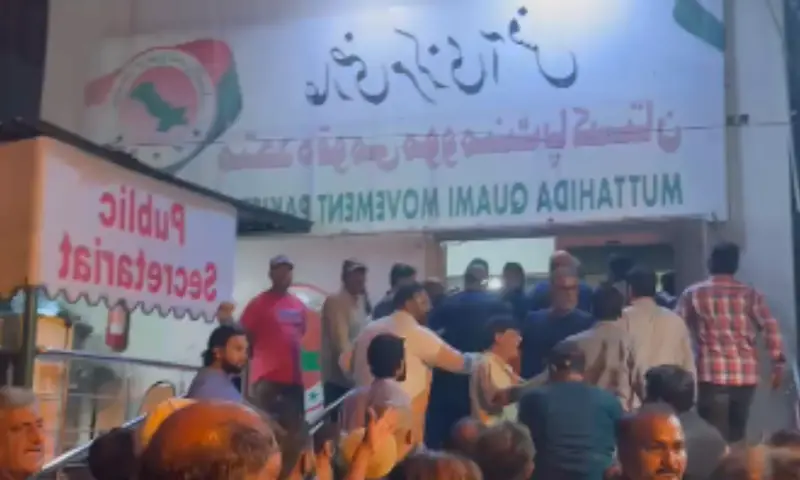
For most people, a trip to the bank is nothing remarkable. For millions of Lebanese, it can be an ordeal. According to the World Bank, the country’s banking sector is insolvent. Capital controls, restrictions on international transfers and customers’ inability to get their savings back have led many Lebanese to take to the streets . Last week, angry depositors protested outside three banks in…
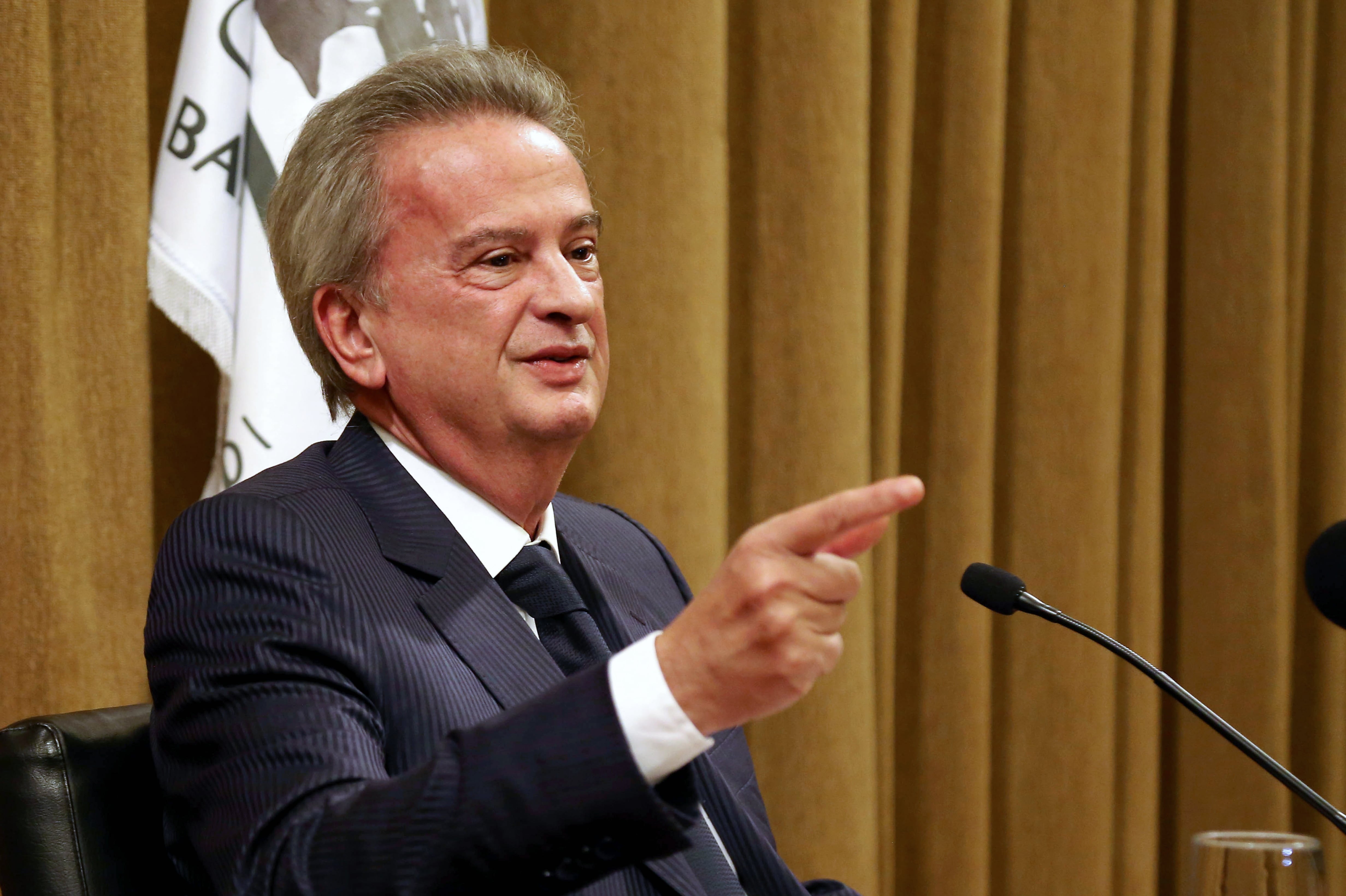
Riad Salameh's arrest has significant implications for Lebanon. The banking sector of Lebanon is in a state of insolvency, leading to capital controls, restrictions on international transfers and customers being unable to access their savings. This has resulted in widespread protests, with many Lebanese taking to the streets in anger.
Riad Salameh, once the most powerful banking figure in Lebanon, has been arrested on charges of embezzlement, forgery, illicit enrichment and money laundering. This has brought to light a side of Salameh that was previously unknown, despite his reputation as the guardian of the country's financial sector. Critics argue that Salameh may have played a role in shaping policies that contributed to Lebanon's financial collapse in 2019, a crisis that has been attributed to decades of corruption and financial mismanagement.
Salameh was indicted in July last year and released on $20 million bail, but he was detained on Friday after failing to appear before a judge for questioning. This arrest is a significant moment for Lebanon and for Salameh, a figure closely associated with the country's monetary system. However, the focus should be on the network that has repeatedly let the Lebanese people down, rather than on Salameh alone.
The issue at hand is the lack of accountability and justice in Lebanon, where political authority, banking interests and regulatory structures have intersected in ways that resist scrutiny. It is crucial for Lebanon to have a fair judicial process to restore investor confidence and demonstrate that corruption is being tackled and reforms are credible.
Political authority, banking interests and regulatory structures have been intertwined in ways that have resisted scrutiny, making this a formidable task. Israel's occupation of southern Lebanese territory and the ongoing operations of Hezbollah have further strained Lebanon's economy and institutions. While the investigation into Salameh's case may seem secondary at the moment, it is vital for Lebanon to break free from its past.
The presumption of innocence and due process should determine the outcome of this investigation, not public sentiment. Scapegoating, half measures or questionable trials are not what the Lebanese people deserve.
Written by urgent.news from The National UAE's reporting — not their text. Machine-written — may contain errors; check the original before relying on it.