Tokoh wartawan cadang serah pelaburan TH kepada pihak lebih pakar
Kadir Jasin berkata langkah berkenaan wajar dipertimbangkan jika TH tidak mampu mengurus wang pendeposit dengan selamat dan menjana pulangan lebih baik.
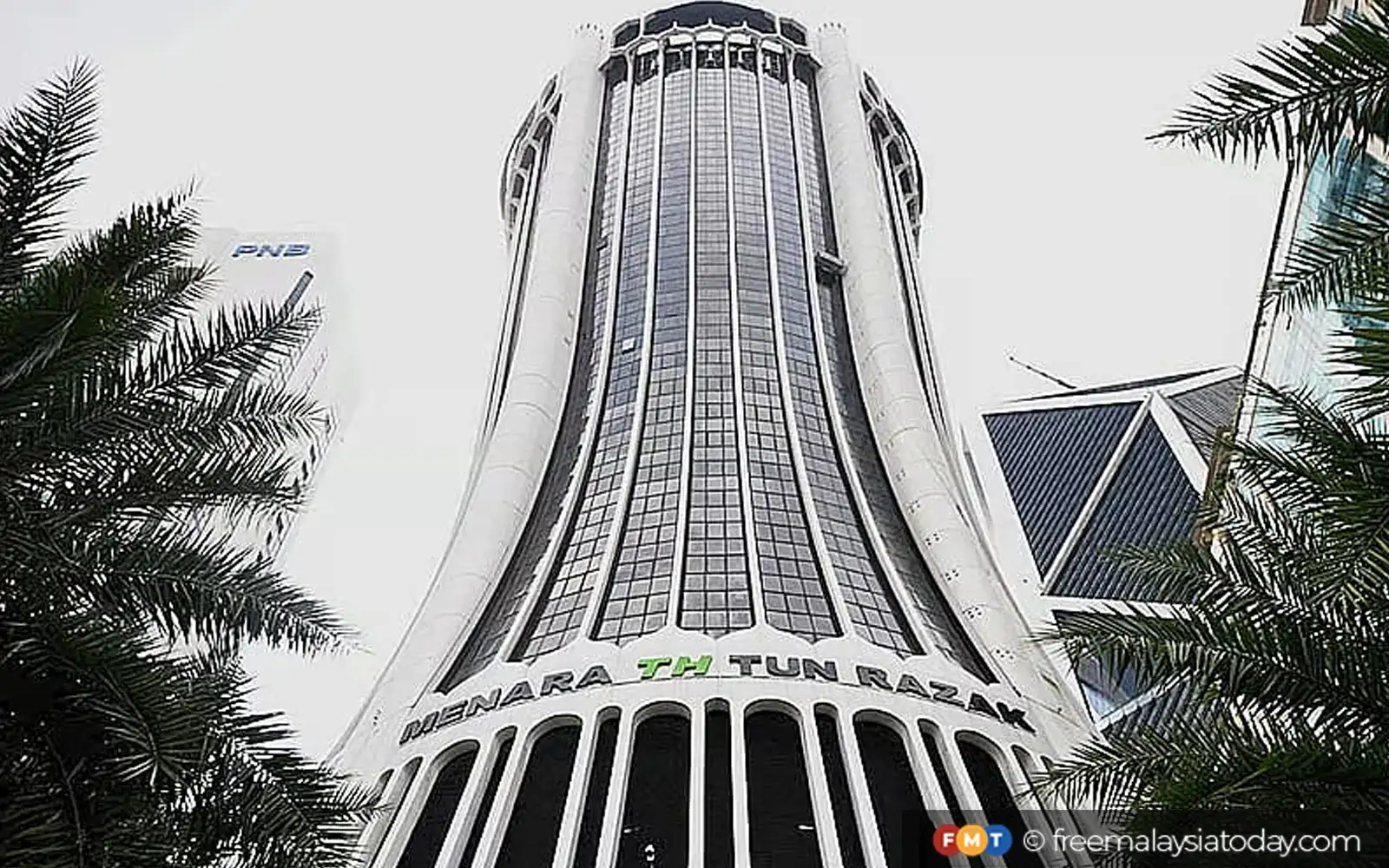
Journalist Kadir Jasin has proposed that the management of the Hajj Fund (TH) be handed over to a third party with proven credibility and success, such as the Public Equity Fund (PNB), to prevent it from continuing to incur losses. He believes this step is warranted if TH lacks personnel, systems, and expertise to ensure funds are managed safely and profitably.
To support his argument, Kadir compared the average dividend over ten years of the Employees' Provident Fund (KWSP) at 5.88% and the 5.60% for conventional savings and 5.99% dividends and bonuses of Bumiputera Investment Fund (ASB) by National Financial Services Berhad (PNB). However, according to him, TH recorded a dividend of 4.8%.
For the financial year 2025, TH is projected to pay a dividend of 3.50% compared to ASB's 5.75% and KWSP's 6.15%. Kadir Jasin believes that entrusting the investment aspects of TH to a third party with proven credibility, such as PNB, is not wrong. He also mentioned that an RCI report on TH, revealed by the government last week, showed that investment activities were among the main causes of the institution being exposed to mismanagement and misappropriation.
He further suggested that TH has been involved in several unwise investments, including purchasing shares of Felda Global Ventures Holdings Bhd (FGV) and land from 1MDB at Tun Razak Exchange (TRX), which caused it to incur significant losses. Therefore, if TH lacks expertise and credibility in managing funds, let's transfer that aspect of funds to a party with expertise and credibility.
If investment funds like KWSP and PNB can generate profits and pay high dividends, why can't TH? He also proposed a comprehensive restructuring of TH by separating the management of savings and investments from religious affairs management, which could focus on religious services and logistics while returning to its original purpose.
According to him, this idea was contained in a paper titled "Reforming the Economy of Future Hajis" in 1959, before the establishment of the Hajj Fund Savings Bank four years later.
Written by urgent.news from Free Malaysia Today's reporting — not their text. Machine-written — may contain errors; check the original before relying on it.