Reckoning with the Long Literary Tradition of Age-Gap Relationships
Jennette McCurdy has spent the past few years telling the world her story. The actress became a household name as the comedic sidekick of iCarly, a Nickelodeon sitcom. She was fifteen when the first season aired. For the eight years
Reckoning with the Long Literary Tradition of Age-Gap Relationships
Actress Jennette McCurdy has recently published her second book, Half His Age, a debut novel that draws from her personal experiences with an age-gap affair. The story follows Waldo, an independent teenage girl with a complicated relationship with her mother, who starts a secret and sexual relationship with her teacher, Mr. Korgy. The novel's graphic sex scenes focus on bodily fluids and convey a sense of rawness and authenticity, reflecting McCurdy's own journey.
McCurdy's writing style is candid and confessional, blending her own voice with that of Waldo. Her approach to narration, with its rapid-fire line of internal questioning and swift prose, mirrors her comedic voice from her memoir, I'm Glad My Mom Died. Despite the pain and discomfort the novel may evoke, it is a deeply personal text that allows McCurdy to process her own experiences.
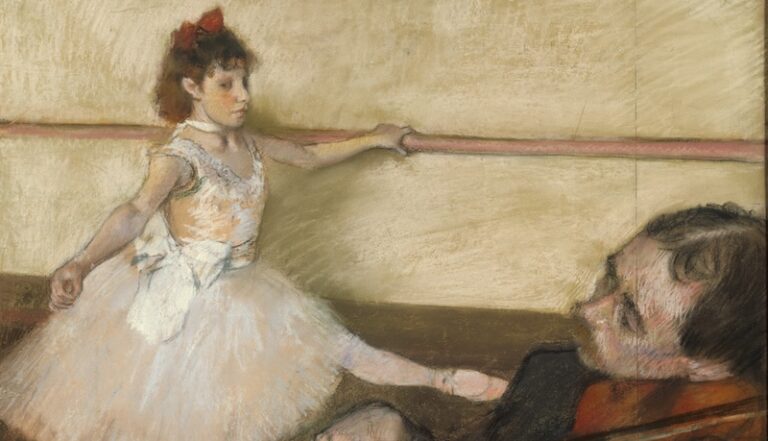
The age-gap romance has long been a prevalent theme in literature, from the controversial Lolita by Vladimir Nabokov to more recent works. This trope is often perpetuated by online discourse, where relationships between older men and younger women are deemed normal. Critics argue that this imbalance of power is rarely acknowledged, and the victimization of the younger party is often overlooked.
In her essay "Men Explain Lolita to Me," Rebecca Solnit emphasizes the importance of empathy and understanding in these complex relationships. She suggests that art is subjective, and the only way to reclaim power is through telling and retelling the story. While McCurdy's Half His Age may not end with Waldo and Mr. Korgy living happily ever after, it serves as a powerful exploration of the age-gap relationship and its complexities, inviting readers to reflect on their own understanding and empathy.
Written by urgent.news from Literary Hub's reporting — not their text. Machine-written — may contain errors; check the original before relying on it.