Q&A: Does the world need ‘carbon capture and storage’ to reach net-zero?
When carbon dioxide (CO2) is released from a factory or power plant, the gas can be captured and permanently stored… The post Q&A: Does the world need ‘carbon capture and storage’ to reach net-zero? appeared first on Carbon Brief .
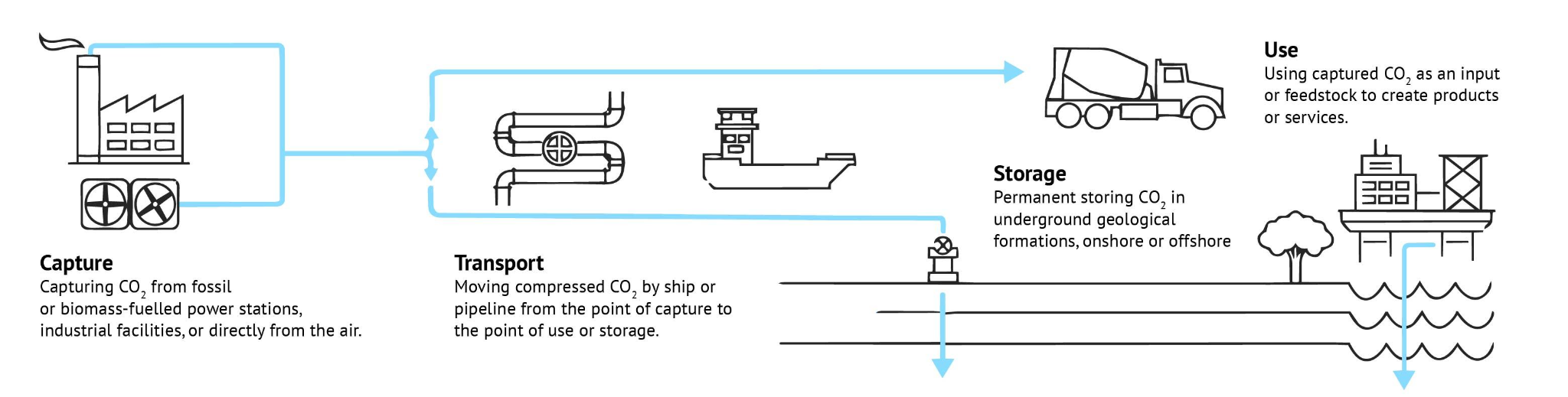
Carbon capture and storage (CCS) represents a method to capture carbon dioxide (CO2) emissions from industrial processes and power plants, subsequently storing it underground to prevent its release into the atmosphere. The technology forms the cornerstone of numerous countries' net-zero emission targets. Reputable entities, such as the Intergovernmental Panel on Climate Change (IPCC), have lauded CCS as a "critical" element in mitigating emissions from significant sectors, playing a pivotal role in averting catastrophic climate change.
One of the primary advantages of CCS is its capacity to render otherwise high-emitting industries, like cement production, viable within a zero-emission framework. On the UK's part, the government has earmarked a substantial £21.7bn investment in the nascent CCS sector over the coming years, as part of the nation's broader net-zero strategy.
However, this technology has not been immune to controversy, primarily due to concerns surrounding its high costs, perceived ties to the fossil fuel industry, and a track record of underperformance.
Critics argue that CCS represents a "dangerous distraction" or a "false climate solution," citing its historical underperformance and perceived inviability at the scale required to significantly impact global emissions. Moreover, the rollout of CCS has often seen policy support falter, leading to scaled-back expectations. Despite its widespread endorsement, CCS's record thus far remains a subject of debate, with skeptics questioning its reliability and efficacy on a large scale.
This raises critical questions about the technology's role in achieving a net-zero future, particularly in the context of the UK's ambitious plans to scale up its CCS capabilities.
Written by urgent.news from Carbon Brief's reporting — not their text. Machine-written — it may contain errors, so check the original before relying on it.