Webb telescope finds signs of ancient disaster for Neptune's moons
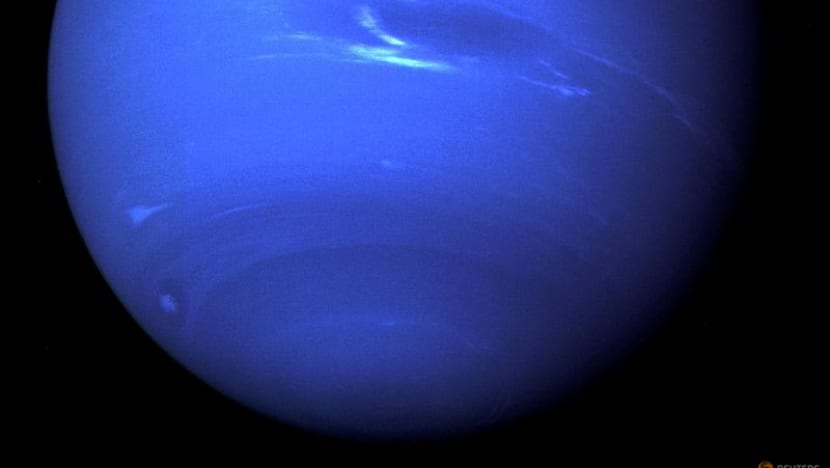
New observations of Neptune's moons and rings, made using NASA's James Webb Space Telescope, have revealed evidence of a catastrophic event that occurred billions of years ago around the farthest planet in our solar system. The researchers detected clay minerals on three of Neptune's inner moons and its dusty rings, which are typically found deep inside certain worlds in the outer reaches of the solar system.
These magnesium-rich minerals, formed by prolonged contact between liquid water and rock, suggest that the clay had to come from elsewhere - the deep interior of a much larger ancient world. The most likely explanation is that Triton, Neptune's largest moon, was captured from the Kuiper Belt region, causing a celestial demolition derby among Neptune's original moons.
The collision exposed the deep interiors of the ancient worlds, which later reformed into the small moons and rings we see today. This catastrophic event occurred during the chaotic first billion years after the solar system's formation, highlighting the violent history of our cosmic neighborhood.
Written by urgent.news from Channel News Asia's reporting — not their text. Machine-written — may contain errors; check the original before relying on it.