Meet the coaches, measurers, and builders carving out a slice of the AI cost-saving business
Companies are struggling to rein in AI spending. Here are the people helping them slash their bills.

The AI cost-saving business is gaining traction as companies realize the high expenses associated with AI adoption. Companies like Adaptovate, Runware, and Larridin Companies are stepping in to help organizations optimize their AI spending. These startups offer solutions such as coaching, measurement tools, and product building to guide companies towards more efficient AI use.
Manos Koukoumidis, CEO of Washington-based AI company Oumi AI, points out that using powerful, versatile, and expensive AI models for niche tasks is irrational and inefficient. Oumi AI addresses this issue by allowing users to quickly customize niche AI models within minutes. The company raised $10 million in its 2024 seed round to support this mission.
In response to the trend of tokenmaxxing, where employees are encouraged to use as many AI tokens as possible, new cost-saving services are becoming increasingly sought after. These services include consulting firms and measurement platforms that advise clients on integrating AI into workflows smartly, as well as startups creating new products like model builders and inference platforms.
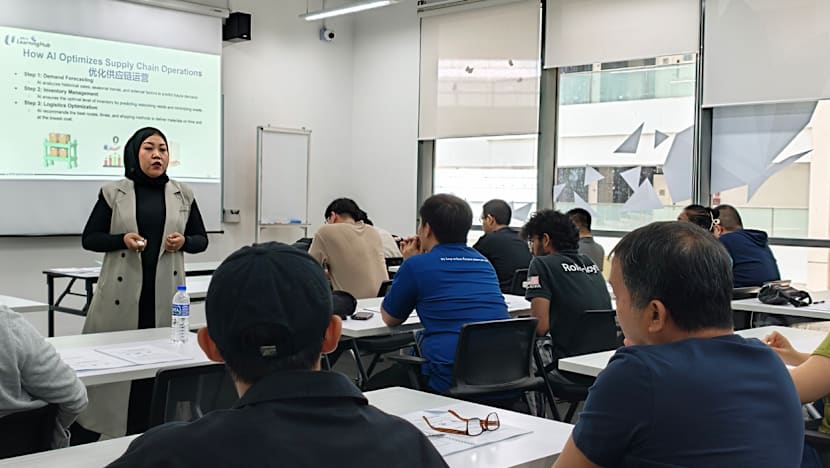
Coaches, such as consultants and advisors, help companies navigate the path to AI success. Adaptovate, a Sydney-based business consultancy with over 100 consultants, guides clients through various stages of AI adoption, from a snacks manufacturer figuring out AI use in its supply chain to a 30,000-employee-strong professional services company restructuring its teams around GenAI products.
The process typically begins with developing a strategy for how decision-making, talent models, and organizational structures will change when AI is scaled across the organization.
Measurers, on the other hand, use software tools to help companies identify where AI is working well and where it is not. Larridin, a San Francisco-based company, acts as a measurement layer across clients' AI tools, employees, agents, and spending. Their data analysis tool shows how employee productivity varies with token spend, allowing companies to identify the optimal token budget for their staff.
Larridin raised $17 million in seed funding and serves clients from various industries, including data center construction, biosciences, and financial services.
Builders, like Oumi AI and Runware, create products directly aimed at helping companies cut AI costs. Runware provides inference infrastructure for running AI models quickly, cost-effectively, and at scale. This allows companies to scale their AI products without worrying about outages. Tensormesh focuses on Key-Value Cache, a component that significantly affects costs but often goes unnoticed in token bills. The startup raised $20 million from hardware investors like AMD and Nvidia's venture capital arm.
As the AI cost-saving business continues to grow, companies are adopting a more strategic approach to AI adoption. They are moving away from using frontier AI models for menial tasks and instead leveraging lighter, open-source models. Additionally, these companies are exploring new ways to think about ROI, treating AI costs as capital expenditures rather than operating expenses. By following these guidelines, companies can reduce their AI spending and maximize its return on investment.
Written by urgent.news from Business Insider's reporting — not their text. Machine-written — may contain errors; check the original before relying on it.