Here’s why Apple Upgrade requires AT&T, T-Mobile, or Verizon for iPhone
The new Apple Upgrade program has a key piece of fine print: “If you’re leasing an iPhone, you’ll need to connect to AT&T, T-Mobile, or Verizon when you enroll.” In a new post today, John Gruber at Daring Fireball has a likely explanation for this requirement.
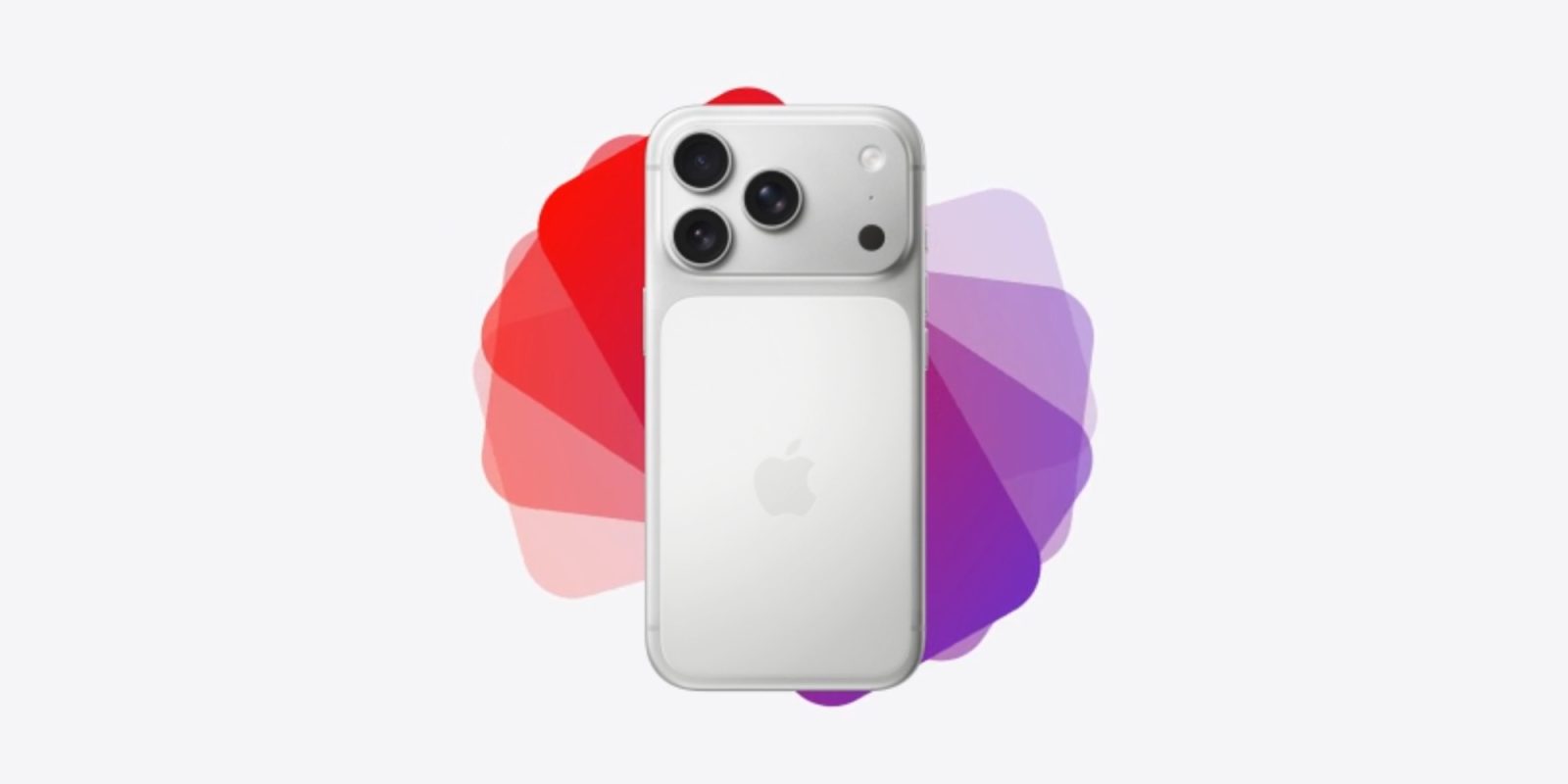
Apple's new Upgrade program for iPhones comes with an important requirement: users must connect to one of three major carriers - AT&T, T-Mobile, or Verizon. The necessity stems from the deals Apple has struck with these carriers, which are valued at hundreds of millions of dollars. In exchange for these substantial payments, Apple agrees to concessions, one of which is the requirement for the iPhone to be connected to a carrier account from AT&T, T-Mobile, or Verizon.
This requirement is also visible in Apple's marketing materials, as the logos of these carriers are prominently displayed. The move is seen as a strategy to incentivize smaller carriers to behave in ways that align with Apple's preferences. Additionally, this requirement addresses concerns about fraudulent iPhone sales, which increased significantly when Apple began offering carrier financing at its retail stores.
The activation requirement has since been improved, with carriers implementing advanced systems to detect and deter fraudulent behavior. Despite this, Apple notes that while connecting to a carrier is mandatory for the Apple Upgrade program, the phone remains unlocked, allowing users to switch carriers at any time, provided the terms of the carrier are met.
Written by urgent.news from 9to5Mac's reporting — not their text. Machine-written — may contain errors; check the original before relying on it.
Also reported by 4 other outlets
- SpaceX is coming for T-Mobile, AT&T and Verizon theverge.com
- Apple plans to open iPhone clipboard access to Windows PCs 9to5mac.com
- SpaceX wants to take on Verizon, AT&T, and T-Mobile with its own mobile network digitaltrends.com
- SpaceX claims Starlink Mobile will be better than AT&T, T-Mobile, and Verizon arstechnica.com