Heavy rain, decreased visibility and 50kph winds expected in parts of the Emirates until Friday
Northern and eastern areas of the UAE should expect clouds, rain and decreased visibility until Friday, the National Centre of Meteorology (NCM) said on Monday. Rain is expected in parts of Fujairah and Al Ain from Tuesday through the week, following the heavy rain that hit Ras Al Khaimah on Sunday. Both residents and camels were seen basking in the downpour, enjoying a reprieve from the summer…
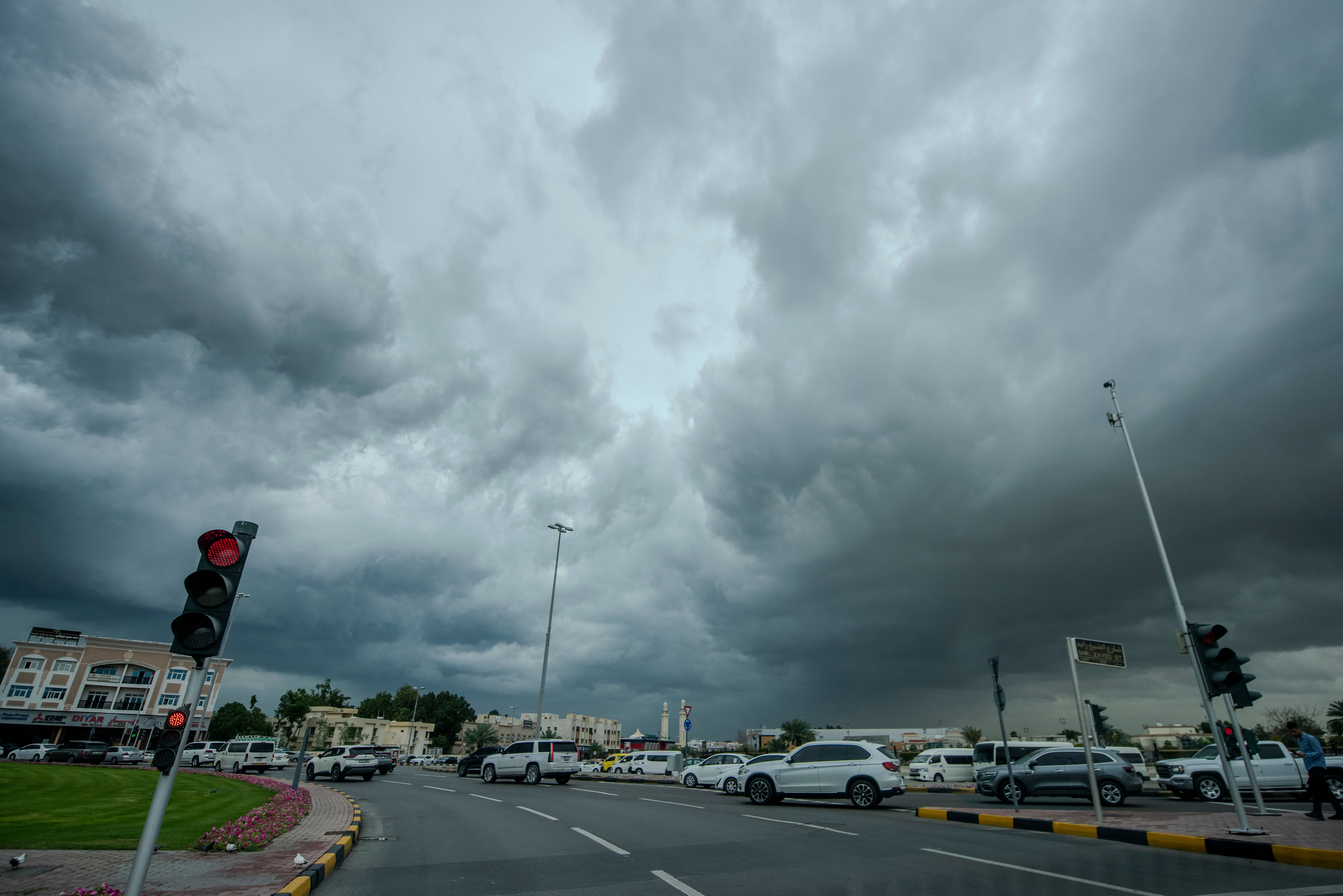
The National Centre of Meteorology (NCM) in the United Arab Emirates has warned that heavy rain, poor visibility, and winds reaching 50kph are expected in the northern and eastern regions of the country until Friday. This forecast comes after significant rainfall hit Ras Al Khaimah on Sunday, bringing relief from the intense summer heat to both residents and animals. From Tuesday, residents in areas such as Fujairah and Al Ain can expect rain as well.
The NCM predicts cloud cover over most of the UAE from Wednesday, with Dubai and Abu Dhabi potentially reaching temperatures of 46°C. Meanwhile, winds could reach 50kph on Wednesday and Thursday, potentially reducing visibility. Motorists are urged to exercise caution on the roads during this period.
Ibrahim Al Jarwan, chairman of the Emirates Astronomy Society, noted that the rising of the star Al Mirzam over the eastern horizon on Wednesday marks the beginning of the final phase of the intense summer season. High humidity levels are typical for August and September, often reaching 80 to 90 percent, especially in coastal areas.
During the summer months, temperatures can soar as high as 80 to 90 percent, particularly in coastal regions. The UAE has implemented a midday break policy that restricts outdoor work between 12:30 pm and 3 pm from June 15 to September 15, enforced by the Ministry of Human Resources and Emiratisation (MoHRE).
In an effort to combat the country's chronic water scarcity, the NCM has conducted 110 cloud seeding operations this year. Cloud seeding involves planes releasing salt flares into the clouds to induce precipitation. Despite the region's arid climate, the UAE typically receives less than 100mm of natural rainfall annually.
Written by urgent.news from The National UAE's reporting — not their text. Machine-written — may contain errors; check the original before relying on it.