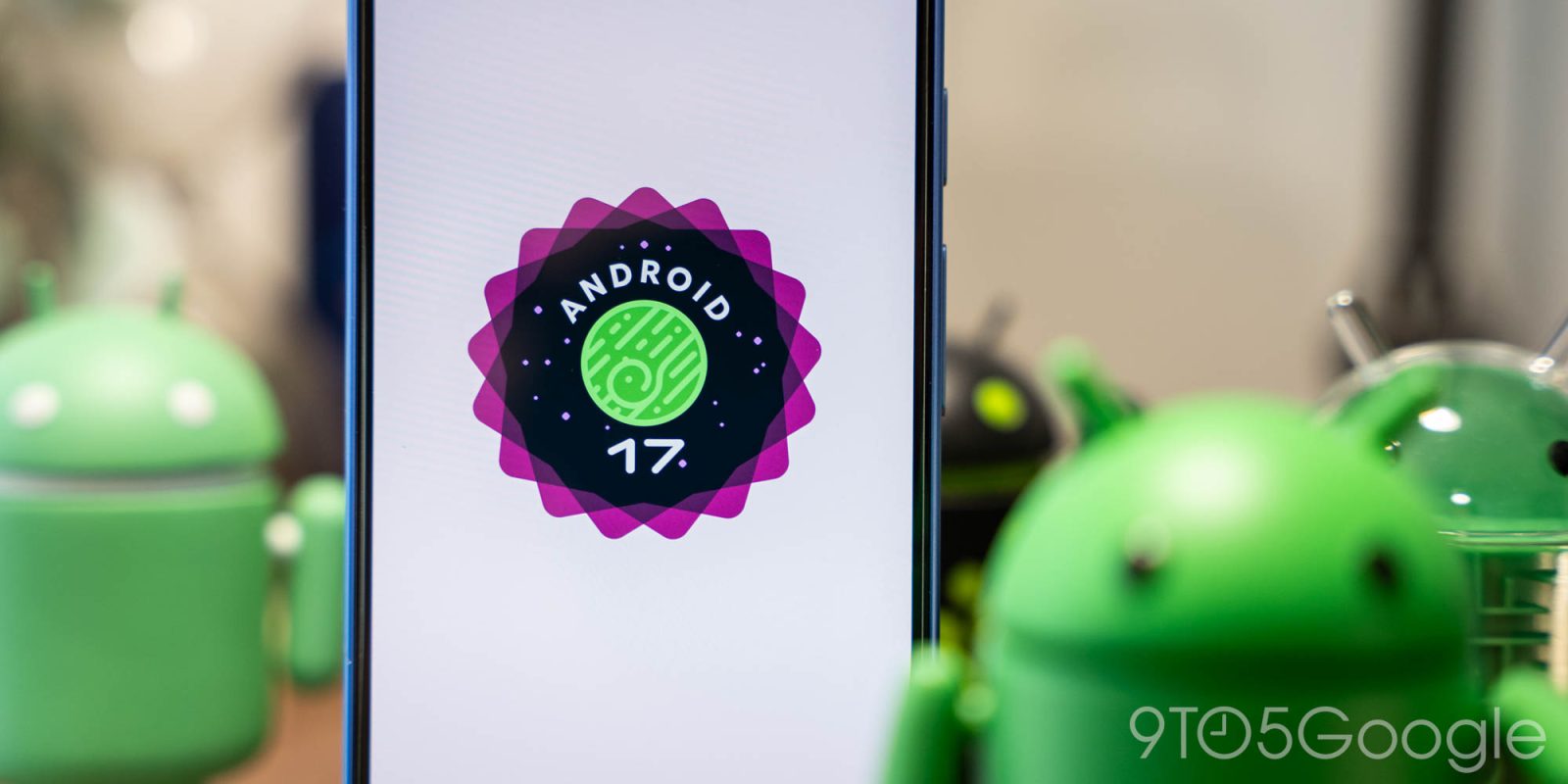
Google rolling out Android 17 QPR2 Beta 2 for Pixel
Following the last release two weeks ago that didn’t have any obvious changes, Android 17 QPR2 Beta 2 is rolling out today for Pixel devices.
For years, the AirTag has been a dependable companion, helping me avoid leaving important items behind and recover my car keys when I lose track of them. This small device has become a lifesaver, with a price tag of just $30. As I use my AirTags on various items, such as my car keys, work bag, car, and even an important document folder, I've encountered one inconvenience – I need an iPhone to use them effectively.
This scenario has sparked my interest in Google's upcoming Pixel Tag, which could potentially fill this gap in the Google ecosystem and allow me to rely on just one phone.
While creating an AirTag alternative is essential, it's not enough to guarantee success. After using AirTags for years, I believe Google needs to incorporate specific features into the Pixel Tag to make it a viable competitor. One crucial feature I hope Google implements is Precision Finding. When I know my keys are somewhere in the house but have checked every room and even looked under the couch cushions, Precision Finding comes in handy.
Unlike regular tracking, Precision Finding shows an arrow and the exact distance to the tracker, updating in real-time as I move. The feature relies on ultra-wideband (UWB) technology, enabling accurate direction and distance measurements. By opening the Find My app and following the arrow, I can usually locate my missing item within seconds.
Google has access to this technology, as several Pixel Pro models support UWB, and the Pixel 11 series is expected soon.
The reliability of the network is another critical aspect for a Bluetooth tracker. AirTags don't have GPS or cellular connectivity, but they benefit from Apple's Find My network. When an iPhone, iPad, or Mac comes within Bluetooth range of an AirTag, it anonymously and securely relays the tracker's location to Apple's network. This process happens automatically, without any action from the user.
Google already has a foundational network with Find Hub, but to compete with AirTags, it needs to ensure this network is seamless and dependable. The current challenge lies in Android users having to manually enable the Network in all areas setting, while Apple's network is active by default across its vast ecosystem.
Battery life is another factor I appreciate in AirTags. The device uses a standard replaceable coin-cell battery, which lasts a long time, replacements are inexpensive, and you can find them at any store. Moreover, swapping the battery takes less than a minute. This convenience is crucial for a tracker meant to stay attached to items for months at a time.
If Google follows AirTag's lead with a replaceable battery, users won't have to worry about charging the device or dealing with complicated battery replacements. Instead, the Pixel Tag will always be ready to perform its function whenever something important goes missing. Lastly, a built-in lanyard hole could set the Pixel Tag apart from AirTags.
While I understand not every detail is essential, this feature would greatly enhance the usability of the tracker.
Written by urgent.news from Android Authority's reporting — not their text. Machine-written — may contain errors; check the original before relying on it.
This story
This is one outlet's version. Read the fullest account.
- Google can’t catch a break as the Pixel 11 Pro leaks once again digitaltrends.com
- Google teases Pixel 11 Pro Fold, early pre-order time on August 12 9to5google.com
- Survey shows Pixel fans are losing faith in Google’s foldable phones androidauthority.com