Ghana’s climate future brings less malaria but more deadly heat, new research shows
Ghana is facing a climate story with two very different sides, according to a set of studies from the Climate Impact Lab and a major new paper published in the journal Nature. As temperatures rise, Ghana is projected to see falling malaria rates, good news driven by the same heat that is making the country more dangerous in other ways. Heat-related deaths are expected to climb, and Ghana's…
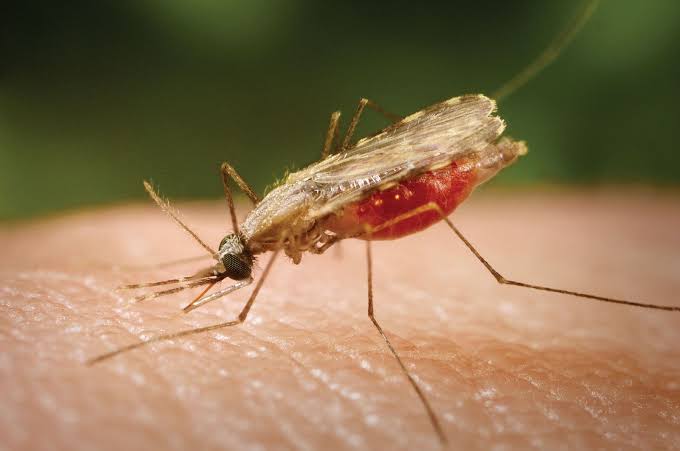
Ghana is experiencing a climate conundrum, as reported by studies from the Climate Impact Lab and a recent paper in the journal Nature. The research suggests that climate change is leading to a decrease in malaria cases in Ghana, while simultaneously increasing the risk of heat-related deaths. Malaria, which thrives in temperatures around 25°C (77°F), is projected to decline by 4.94 cases per 1,000 children by 2050 and by 15.12 cases per 1,000 children by 2100 due to rising temperatures in the country.
This improvement, however, is expected to be outpaced by the rise in heat-related deaths, with Ghana projected to see about 19 additional heat-related deaths for every 100,000 people by 2050, with higher numbers in more vulnerable regions. The issue is exacerbated by Ghana's inadequate electricity growth, with 31% of the population in high-risk, low-electricity-growth areas, hindering access to cooling technology.
While Ghana's situation is serious, it is less severe compared to neighboring countries like Burkina Faso and Mali, where 99% of the population lives in Mortality-Cooling Trap conditions.
Written by urgent.news from MyJoyOnline Ghana's reporting — not their text. Machine-written — may contain errors; check the original before relying on it.