Did fungi give mammals an evolutionary edge after the dinosaur-killing asteroid hit? New evidence revives a provocative hypothesis
A revived hypothesis argues that a fungus-filled world after the Chicxulub asteroid impact may have given mammals an evolutionary edge. The idea could reshape how scientists think about mass extinctions, but it is still controversial.
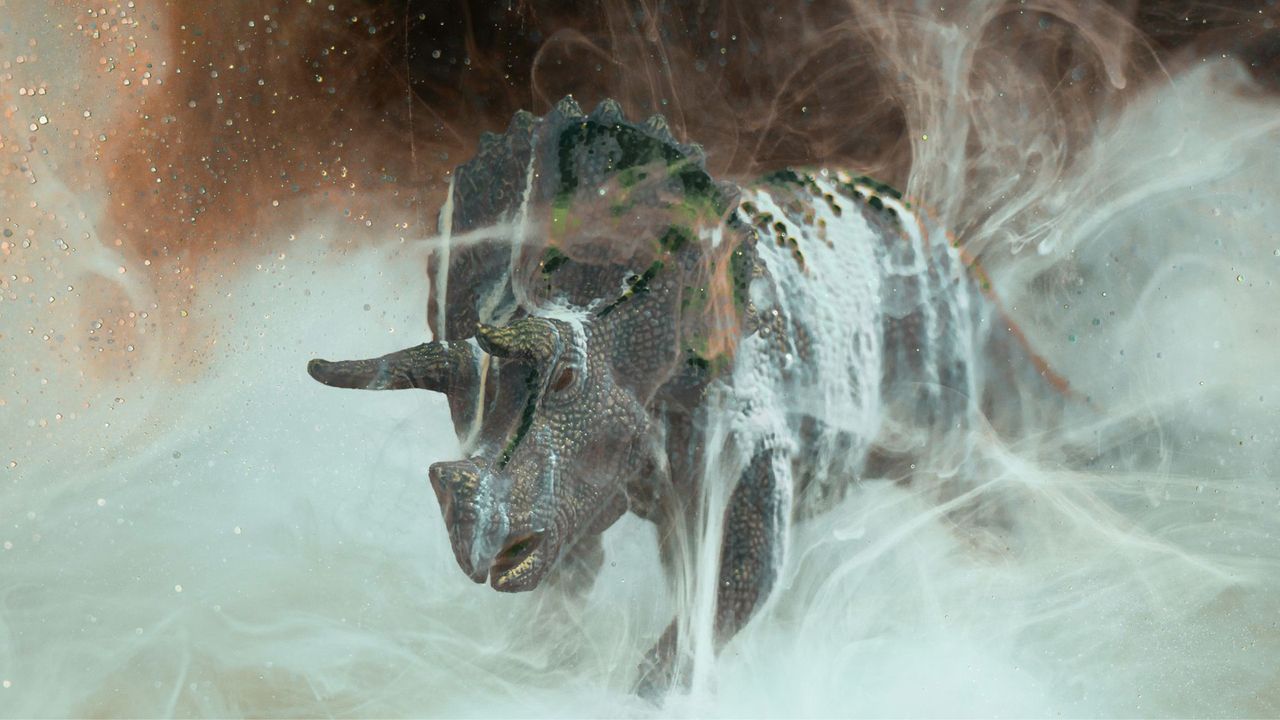
When the Chicxulub asteroid crashed into the Yucatán Peninsula about 66 million years ago, it wiped out the dinosaurs. In the ensuing chaos, small mammals swiftly seized new opportunities and evolved into the dominant land animals within a few million years. Recently, scientists have discovered evidence that environmental fungal growth may have been on the rise before and after the asteroid impact.
A study published in the journal PNAS examined microscopic fossils from rocks dating back to the K-Pg mass extinction event in North America. Researchers led by Dr. Arturo Casadevall, from Johns Hopkins University, identified an earlier fungal bloom roughly 30,000 to 100,000 years before the asteroid strike, during a time of cooling linked to intense volcanic activity in the Deccan Traps of India.
Following the asteroid impact, another surge in fungal activity was detected, right when dead plants and animals littered the devastated ecosystems. This finding supports the Fungal Infection Mammalian Selection (FIMS) hypothesis, which suggests that mammals may have gained an evolutionary edge over dinosaurs due to their resistance to fungal infections.
The hypothesis doesn't claim that fungi caused the dinosaurs' extinction; instead, it proposes that mammals' warm body temperatures and advanced immune systems allowed them to better withstand the fungal onslaught in the aftermath of the asteroid impact. However, not all experts agree with this theory. Some argue that the evidence doesn't fully support the hypothesis, and the proposed links between the events are not as strong as they might seem.
This research sheds new light on the ecological changes that took place in the wake of the asteroid strike and the factors that may have contributed to mammals' rise to dominance.
Written by urgent.news from Live Science's reporting — not their text. Machine-written — may contain errors; check the original before relying on it.