Claude Code is revolutionizing digital archaeology. Enterprise better dig it
'As a big AI skeptic, you just blew my mind'
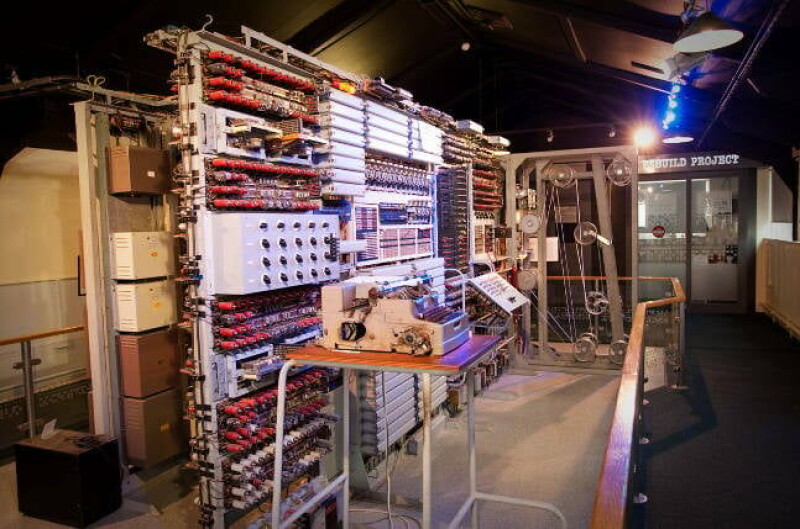
The UK's National Museum of Computing at Bletchley Park is a natural hub for digital archaeology, having restored and documented landmark machines from the dawn of the microprocessor age. With the advent of large language models (LLMs), these digital archaeologists have discovered that AI can help rebuild the past in surprising ways.
A recent talk at the museum showcased Claude Code's ability to reverse-engineer Inmos Transputer systems, bringing them back to life by designing an accelerator for the Acorn Archimedes. Another impressive feat involved disassembling and annotating Acorn's 6502-based Network Filing System, requiring a deep understanding of Econet's LAN hardware and software.
These examples demonstrate that LLMs can significantly increase efficiency in reverse engineering without sacrificing quality. With proper context and guidance, LLMs can fill gaps in documentation and provide valuable insights into complex digital systems. While LLMs are not a magic solution, they offer a powerful tool for digital archaeology, helping preserve and understand the legacy systems that often fall into obscurity.
Written by urgent.news from The Register Science's reporting — not their text. Machine-written — may contain errors; check the original before relying on it.
This story
This is one outlet's version. Read the fullest account.