Claude Code is revolutionizing digital archaeology. Enterprise better dig it
'As a big AI skeptic, you just blew my mind'
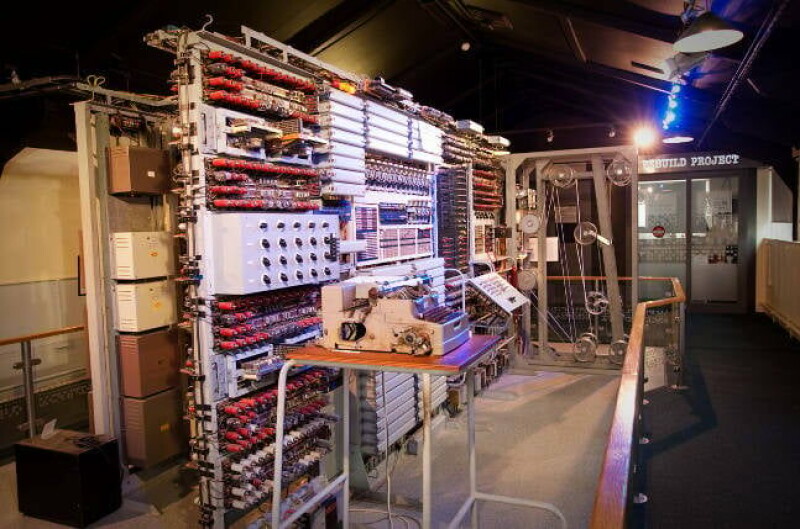
The UK's National Museum of Computing at Bletchley Park (TNMoC) has become a hub for digital archaeology, preserving and documenting landmark machines from the dawn of the microprocessor age. This includes restoring and recreating systems like the Colossus computer and British mainframes of the '60s and '70s. With the rise of Large Language Models (LLMs), TNMoC has seen these AI tools demonstrate surprising prowess in rebuilding the past.
One notable example is Phil Pemberton, who designed an accelerator for the Acorn Archimedes using Inmos Transputer systems. Despite the obscurity and lack of information surrounding these systems, Claude Code successfully brought them back to life. Another impressive feat is the disassembly and annotation of Acorn's Network Filing System (NFS) using Claude Code.
This required a deep understanding of Econet's LAN hardware and software, as well as the host hardware and software. The motivation behind this project was to write an Econet game, of which very few exist. The resulting source code files were impeccably structured and commented, a significant improvement over the previous state.
This demonstrates how Claude Code can process a ROM in a day, fully commented, providing insights that even experts may overlook. The application of LLMs in digital archaeology has parallels in forensic science, paleoclimatology, and other fields where history offers valuable lessons for the modern day. As enterprises face challenges such as legacy system migration, mergers, and reorganizations, LLMs offer new ways to manage and understand outdated systems.
However, it is important to note that LLMs are not a magic wand and require skills, experience, and critical evaluation to achieve the best results.
Written by urgent.news from The Register's reporting — not their text. Machine-written — may contain errors; check the original before relying on it.