Chores or no chores? The economic psychology of giving kids pocket money
If we do pay our kids for their chores, do we risk creating kids who care more about money than doing good deeds for their own sake?
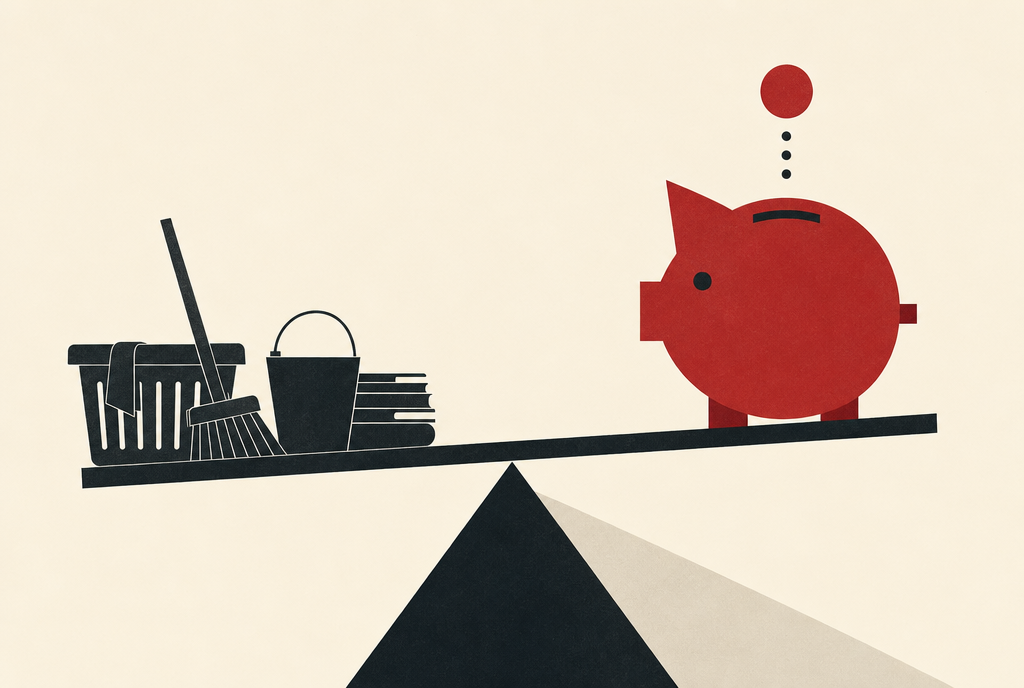
The modern landscape of children's pocket money has evolved significantly over time, with the emergence of digital money apps and spending trackers. This brings to light timeless questions that behavioral economists ponder, particularly regarding whether children should only earn money by doing jobs for neighbors or if their home chores should also be rewarded financially.
The debate on paying kids for chores involves considering the impact on their intrinsic motivation to perform good deeds and the messages sent to children regarding their responsibilities within the family.
When it comes to routine chores, paying children for tasks like clearing the table or walking the dog may communicate that these activities are not expected to be done without monetary compensation. This could potentially weaken the social norm of contributing daily efforts to the family without expecting financial reward. However, it may also send a message that only certain tasks are valued enough to be paid for, potentially making children feel different from others within the family.
On the other hand, offering a child a special job, such as washing the car or helping with painting, can convey that this is an opportunity to learn new skills, save the family money, and earn a reward. These tasks are challenging and typically not performed by other family members, making them a unique way to build valuable skills and earn extra cash.
A regular allowance can serve as a tool to teach children about money management without being tied to household chores. This approach could help prevent the development of financial immaturity as children grow older and face their own financial responsibilities. Instead of compensating children for routine home tasks, the allowance can be presented as a means to help them mature into financially prudent adults.
In conclusion, parents should carefully consider the incentives and messages being conveyed when deciding whether to pay children for their chores. Paying for special jobs that enable children to learn new skills and contribute to the household's well-being may have a more positive impact than offering a regular allowance for routine tasks. By taking a thoughtful approach to work, money, and community, parents can help their children develop into pro-social and financially wise adults.
Written by urgent.news from The Conversation AU's reporting — not their text. Machine-written — may contain errors; check the original before relying on it.