Binging on cringe: It's as addictive as 'eating junk food'
Flexing achievements? Cringe. Expressing genuine emotions? Cringe. You want to look away, but you can’t. Cringe. It's so addictive, people have built social media careers by monetizing other people's worst moments.
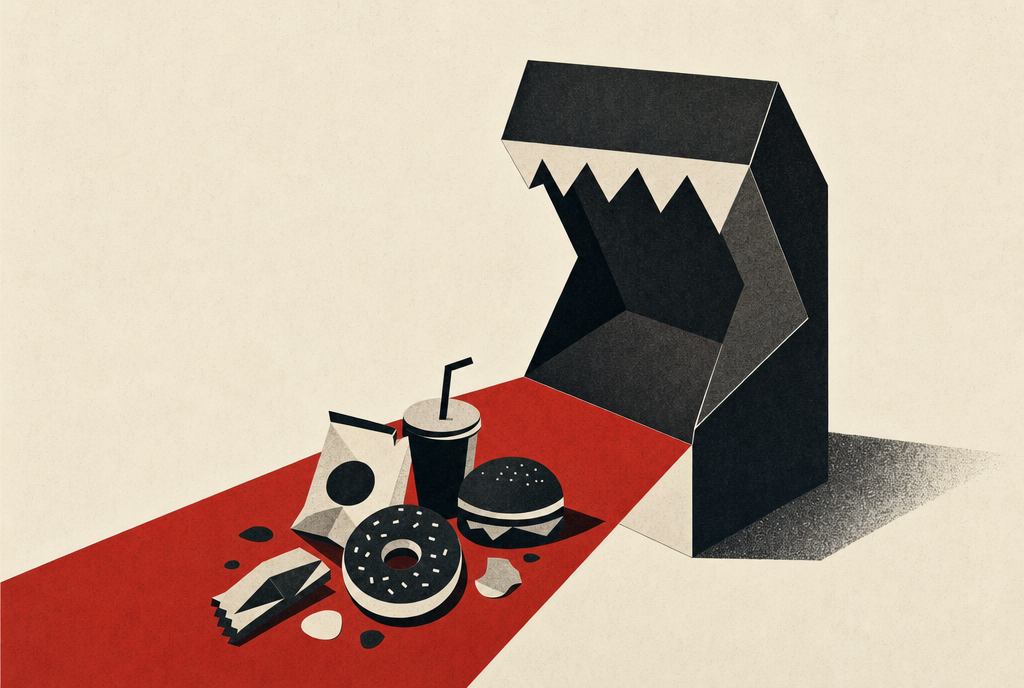
The phenomenon of "cringe" has become increasingly popular in online communities, with people drawn to awkward, embarrassing, and poorly executed moments. Clinical psychologist Stefan Hofmann from Marburg University in Germany likens the addictive nature of cringe videos to the allure of junk food, stating that if one consumes junk food, they seek more outrageous content.
However, the subjectivity of embarrassment is evident, as a bad grade may not bother someone who doesn't value education, yet it can trigger genuine embarrassment in a person who highly values academic success. Psychologist Frieder Paulus from the University of Lübeck explains that embarrassment is linked to emotional barometers like shame, pride, and guilt, which signal a breach of social norms.
For people to feel embarrassed, they must be aware of the context and audience. Brain scans reveal that our reactions to embarrassing situations involve an arousal region, indicating that something is amiss. Social psychologist Matthew Feinberg from the University of Toronto found that people perceive embarrassment as a sign of prosocial behavior, which fosters trust in the observer, implying that the individual recognizes their socially awkward actions and wishes to demonstrate their good nature.
Feinberg also theorizes that witnessing embarrassment triggers sympathy as a natural response. Embarrassment may even serve as a means of preventing social exclusion, a fear that is both psychologically and physically painful. Hofmann conducted social mishap exposures to test the effectiveness of intentionally creating embarrassing situations to challenge beliefs driving fear or anxiety.
While cringe videos are undoubtedly addictive, research suggests that the emotion is involuntary and entrenched from an early age, making it difficult to stop feeling this way. Additionally, the connection between empathy and schadenfreude, the pleasure derived from others' misfortunes, also plays a role in our addiction to cringe content.
Written by urgent.news from DW News's reporting — not their text. Machine-written — may contain errors; check the original before relying on it.