A single highway to the East Coast is no longer sufficient
A new northern and a southern route should be planned to disperse traffic away from the dangerous and congested Gombak corridor, with heavy vehicles separated from cars.
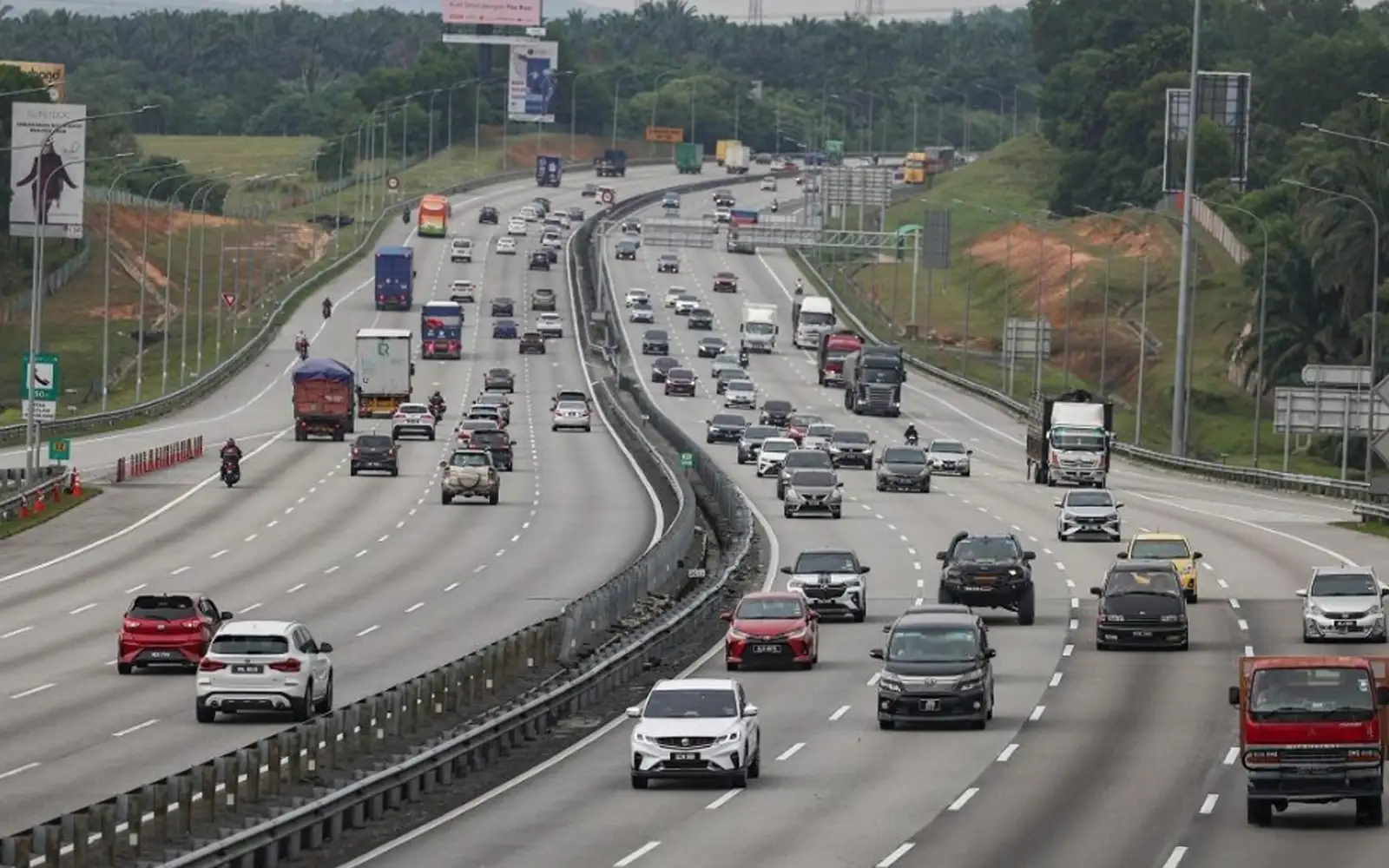
A single East Coast highway is proving inadequate to meet the transportation needs of Malaysia's East Coast region, a problem exacerbated by decades of insufficient transport planning. The Gombak-Genting Sempah segment of the East Coast Expressway is notorious for chronic congestion, known as the "Gombak crawl," which causes daily gridlock and becomes even worse during weekends, public holidays, and festive seasons.
This region, home to nearly nine million people, is connected to the Klang Valley, Malaysia's most populous area, via this narrow corridor. The congestion is not merely a source of inconvenience; it is caused by decades of poorly planned transport infrastructure. Traffic from surrounding states, including Selangor, Kuala Lumpur, Putrajaya, Negeri Sembilan, and parts of Perak, converges at Gombak, leading to predictable congestion that worsens year after year as vehicle ownership, freight movement, and tourism increase.
A single entry point to the East Coast is clearly not sustainable. In fact, a single strategic highway linking a large population center with a less developed region is a flawed approach for a developing economy. The Gombak-Genting Sempah stretch is particularly hazardous due to its steep gradients, which strain heavy vehicles and create long queues of slowed traffic behind.
The descent is especially dangerous for loaded trucks and buses, which rely heavily on engine and braking systems, increasing the risk of accidents. The long, winding road with numerous curves, especially during wet weather, further adds to the danger. The aging Genting Sempah tunnel, designed for a fraction of today's traffic, is reaching capacity.
While engineering improvements like a dedicated lower-level tunnel for heavy vehicles could alleviate some of these issues, the solution goes beyond mere upgrades. The government should adopt a long-term strategic approach, creating additional highway corridors to disperse traffic and reduce dependency on the Gombak bottleneck. A new lower-level tunnel for heavy vehicles could improve speeds, reduce mechanical failures, and enhance safety by separating heavy vehicles from passenger cars.
However, engineering improvements must be paired with a broader strategy, including toll structure revisions to make the East Coast Expressway more accessible and affordable. The existing tolls are a monopolistic revenue source, not an equitable transportation system. A strategic national highway system should prioritize safety, efficiency, and resilience, not just maximizing toll revenue.
The economic benefits of multiple routes, reduced congestion, and improved logistics would be substantial, supporting the East Coast's growing industries, tourism, and overall national security.
Written by urgent.news from Free Malaysia Today's reporting — not their text. Machine-written — may contain errors; check the original before relying on it.