‘A completely new person’: can surgery help Alzheimer’s patients regain basic skills?
A surgical procedure for Alzheimer’s disease being tested in Hong Kong has the potential to improve patients’ ability to take care of their basic needs such as getting dressed and remaining socially engaged. The ongoing clinical trial, launched by researchers at the Chinese University of Hong Kong (CUHK), involves an operation that drains an abnormal build-up of two protein types in the brain.…
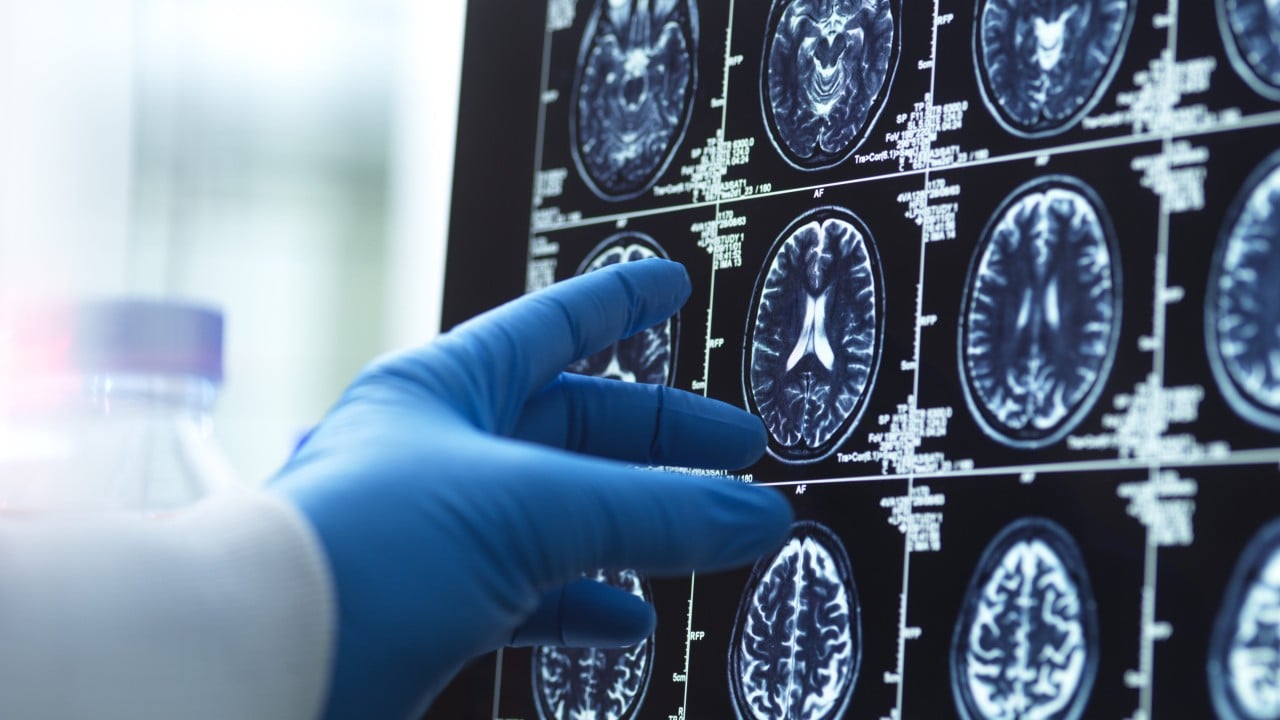
A groundbreaking surgical procedure under scrutiny in Hong Kong could potentially help Alzheimer's patients regain basic skills like dressing and maintaining social engagement. The ongoing clinical trial, led by researchers at the Chinese University of Hong Kong (CUHK), involves an operation that removes an abnormal accumulation of two protein types in the brain, namely tau and amyloid.
The surgery, pioneered by a Chinese doctor in Hangzhou in 2018, has gained widespread popularity due to social media videos showcasing dramatic post-surgery transformations of patients. However, the procedure's safety and effectiveness have been questioned, leading China's National Health Commission to ban its use in July 2025, pending further evidence.
CUHK researchers began recruiting four patients last year, with one patient showing such significant improvement that his wife described him as "a completely new person... so sharp." Dr. Tor Chiu, an honorary associate professor of surgery at CUHK, hopes to verify whether the procedure, conducted under strict scientific controls, can improve the condition of Alzheimer's patients.
He emphasized the importance of even the slightest improvement in Alzheimer's patients, as current treatments only aim to slow down the disease's progression.
Alzheimer's disease is a cognitive disorder that impairs memory, thinking, and daily functioning, accounting for 60 to 70 percent of all dementia cases worldwide. The World Health Organization projects that the number of people living with dementia globally will reach 153 million by 2050, up from 57 million in 2021. In Hong Kong, nearly one in ten people aged 60 or above suffer from dementia.
Modern medicine has yet to find a cure for Alzheimer's, but it can only slow down the patient's decline. The operation pioneered in mainland China, called lymphaticovenous anastomosis, connects lymphatic vessels to nearby veins, helping to drain and remove the excess proteins from the brain, potentially improving the patient's condition. This procedure, which Chiu has been performing for over a decade to treat lymphoedema, represents a novel approach to Alzheimer's treatment.
CUHK researchers have recruited four patients for the clinical trial, all of whom showed signs of improvement following the surgery. One patient, 72-year-old Mr. Ho, was diagnosed with Alzheimer's a decade ago and struggled with memory loss, depression, and suicidal thoughts. His wife, who is his sole carer, said he had become increasingly withdrawn and unresponsive.
After undergoing the six to eight-hour surgery in September, Mr. Ho reportedly woke up as "a completely new person," responding to his name and engaging more with his surroundings. He started expressing his preferences and re-engaging with everyday activities like eating and socializing.
Written by urgent.news from South China Morning Post's reporting — not their text. Machine-written — may contain errors; check the original before relying on it.
This story
This is one outlet's version. Read the fullest account.