80 stores, 480K members, S$150M revenue: How Hockhua Tonic became a TCM giant
Your neighbourhood TCM shop is actually a S$150M empire Most Singaporeans have walked past a Hockhua Tonic store without thinking twice. Its iconic red signage, the scent of dried herbs, and rows of grab-and-go herbal teas blend so seamlessly into Singapore’s heartland malls that the brand has become part of the landscape. Which makes it […]
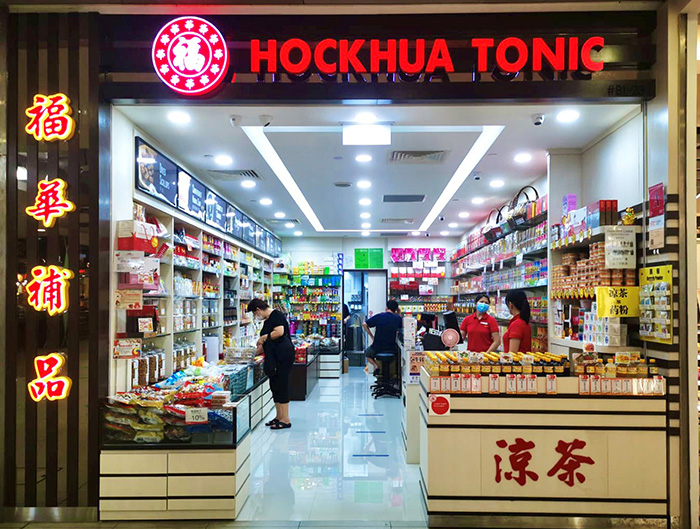
Hockhua Tonic, a ubiquitous TCM (Traditional Chinese Medicine) retailer in Singapore, has grown into a S$150 million empire with over 80 stores and 480,000 registered members. The story of its rise begins in 1986, when Chan Tiong Cheng imported American ginseng from Canada and began wholesaling it. In 1987, he brought in three partners and began expanding the wholesale operation in Kampong Kranji.
By 1989, the first physical retail outlet was opened in Hougang, and by 1992, Hockhua described itself as a "comprehensive traditional health food chain." The company's growth is unique due to its vertical integration, beginning in 1996 with the formation of Hockhua Tonic Pte Ltd to handle direct imports and reduce costs. By establishing subsidiaries for different product categories, Hockhua maintained tighter quality control and competitive retail prices.
The company cultivates ginseng in Ontario, Canada, and Malaysia, runs its own bird’s nest farms in West Malaysia, and sources abalone from eight countries. With over 1,000 products sold through its manufacturing plants in Singapore, Hockhua carries flagship brands like Golden for ginseng and Tiger King for abalone. In 1991, Hockhua introduced the first loyalty points programme in Singapore, which now has over 480,000 members. Beyond TCM, Hockhua sells oriental teas and has 15 licensed herbal tea outlets.
Written by urgent.news from Vulcan Post's reporting — not their text. Machine-written — may contain errors; check the original before relying on it.