Young people suffer as data gaps limit understanding of pregnancy loss
While pregnancy loss is common, gaps in official data mean its impacts on different demographic and geographic groups remain unknown.
A new study reveals that young women in Australia are disproportionately affected by pregnancy loss, despite gaps in data that may hinder understanding of their unique needs. According to the study by the Australian Institute of Health and Welfare, one in three women who gave birth in 2022 had previously experienced at least one miscarriage, with one in 10 having experienced two or more losses.
However, the report does not break down the experiences by demographic group or geographic location, leaving many questions unanswered.
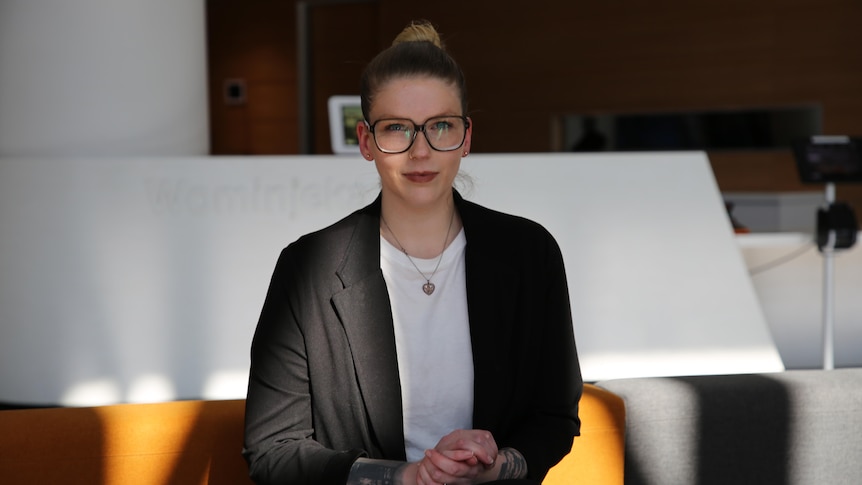
Experts warn that the lack of comprehensive data on pregnancy loss may mean that the needs of younger people are not being adequately addressed. Isabelle Oderberg, co-founder and executive director of the Early Pregnancy Loss Coalition, notes that younger women often face dismissive attitudes from medical professionals who view them as not yet at the end of their reproductive journey, which can make their grief seem less valid.
Laura Baxter, who experienced a miscarriage at the age of 24, shared her feelings of being dismissed by her doctor. She felt that her grief should be minimized and that she should simply "move on." TV personality Alex Crisp, who also experienced a miscarriage at age 29, recognized the importance of breaking the silence around this experience and using social media to create a platform for open discussion.
The study's co-founder, Isabelle Oderberg, emphasized the need for more comprehensive data collection and monitoring of pregnancy loss, stating that this is an "amazingly important first step" towards understanding the experiences of women in Australia. Meanwhile, mental health professionals stress the significance of using the right language to acknowledge and validate the emotional impact of pregnancy loss, rather than dismissing it or minimizing its significance.
Written by urgent.news from ABC News AU's reporting — not their text. Machine-written — may contain errors; check the original before relying on it.