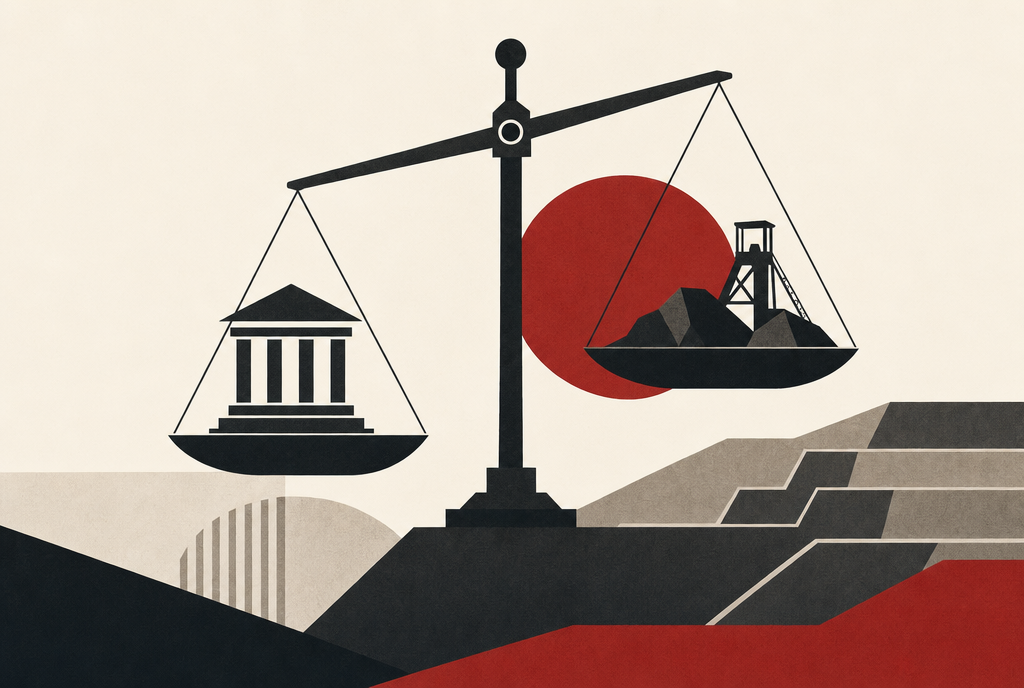
Why breastfeeding rates have dropped in India: insights from NFHS-6
The percentage of infants exclusively breastfed for the first six months increased from 54.9% in NFHS-4 to 63.7% in NFHS-5 but again declined to 55.8% in NFHS-6. This development effectively brings us back to where we started nearly a decade ago, in just three years
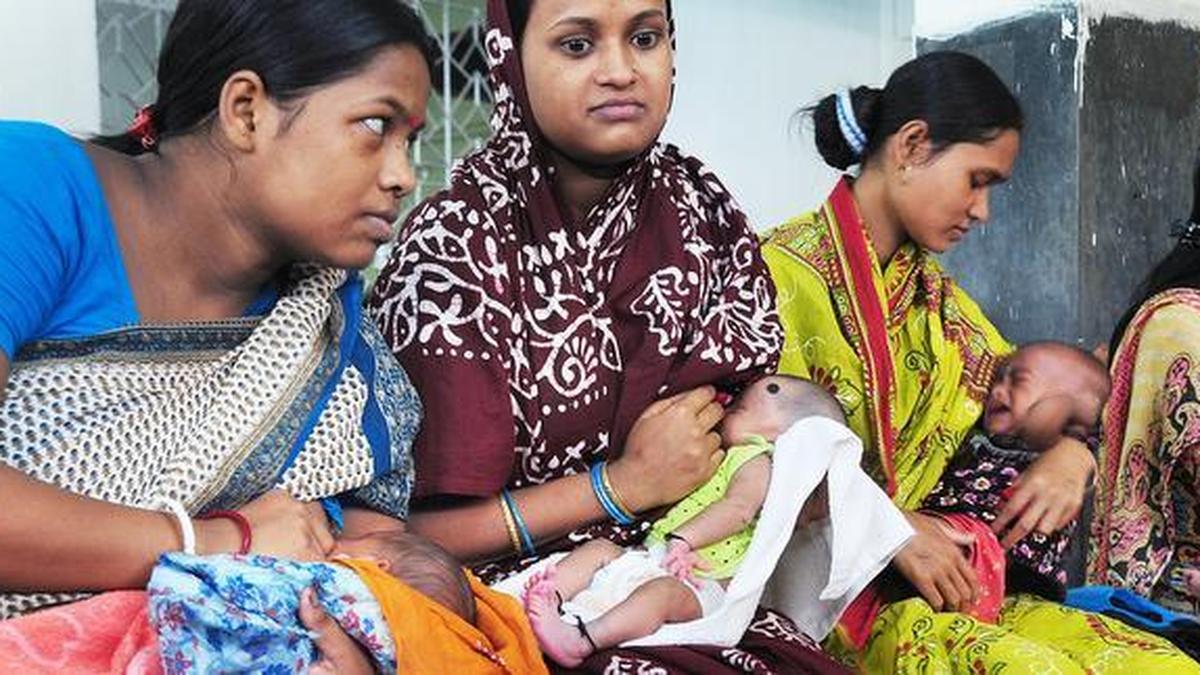
The latest National Family Health Survey (NFHS-6, 2023-24) has revealed a concerning decline in exclusive breastfeeding rates among infants in India, despite recent improvements in maternal healthcare indicators. While institutional deliveries and postnatal care coverage have increased, exclusive breastfeeding rates have dropped from 63.7% in NFHS-5 to 55.8% in NFHS-6, reversing a decade-old trend.
This development brings India back to the same level of exclusive breastfeeding observed nearly a decade ago. The decline appears to be state-specific, with Uttar Pradesh, Madhya Pradesh, Rajasthan, and Haryana experiencing the most significant reductions, collectively accounting for a large share of all births in India. The data suggests that the gains made in breastfeeding practices were thin and susceptible to reversal, rather than being the result of a uniform national shock.
Brief written by urgent.news from The Hindu Health's own syndicated text. Machine-written — may contain errors; check the original before relying on it.