Trump just invoked a 1930 tariff law no president has ever used — against Canada
The administration’s evidence supporting the tariffs is weak at best.
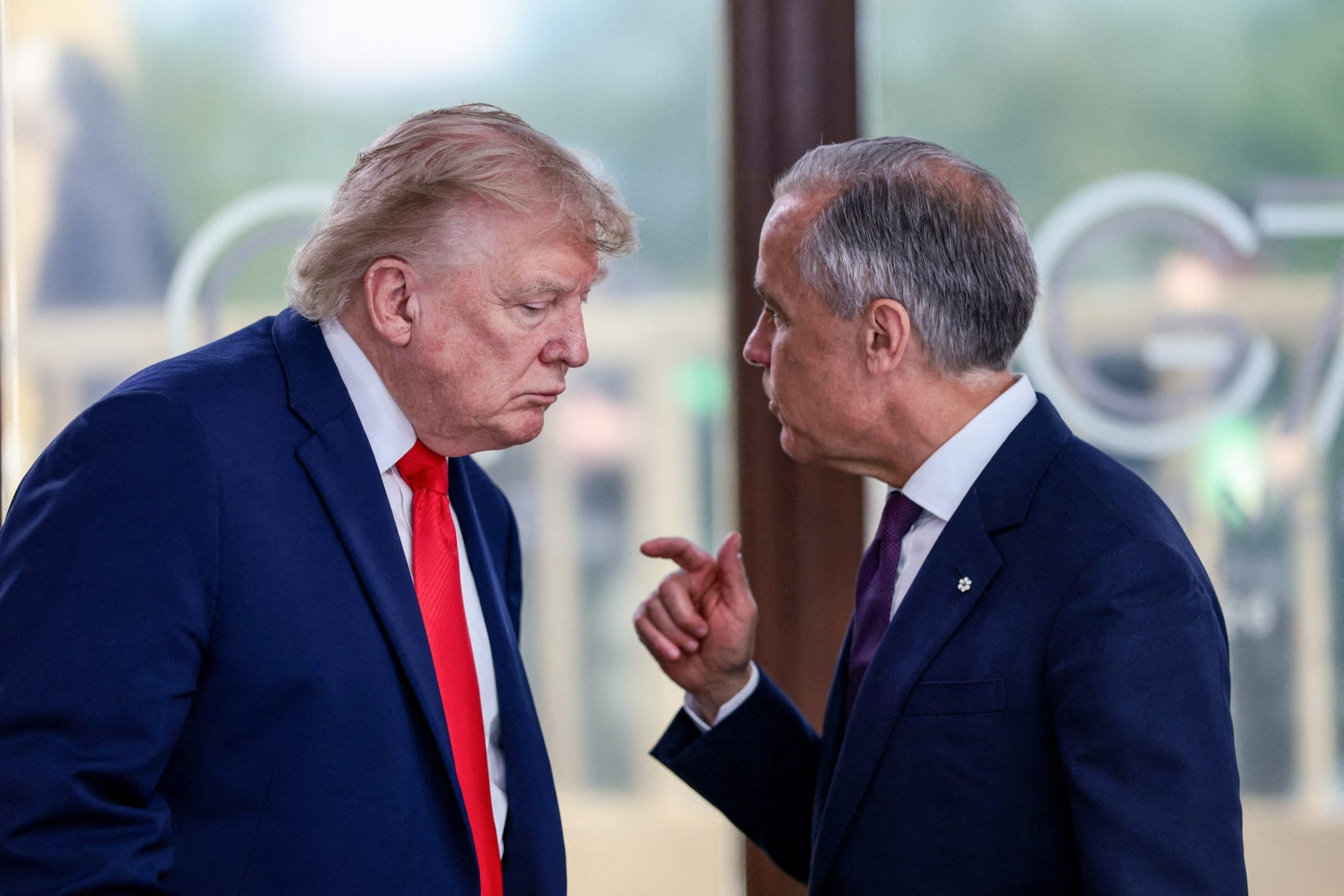
President Donald Trump invoked the Smoot-Hawley Tariff Act of 1930, a rarely-used 1930 tariff law, against Canada on July 20, in response to perceived discriminatory tariffs imposed by Canada on U.S. auto imports. The administration claims this move is necessary to protect the American auto industry, which they say has suffered due to Canada's discriminatory tariffs. Section 338 of the Smoot-Hawley Act, which the administration is invoking, has never been used to impose tariffs before this year.
The administration argues that Canadian tariffs on U.S. autos and auto parts, enacted shortly after U.S. tariffs on Canada and other countries, unfairly disadvantage American auto commerce. They cite a "precipitous" drop in Canadian imports of U.S. autos, but data shows that while imports from Canada did fall, imports from other countries increased. This suggests Canadians, like Americans, are holding onto their existing cars longer, resulting in fewer new car purchases, which affects both U.S. and foreign imports.
The administration also noted that Canadian auto parts imports have surged, but this has not resulted in a negative effect on American auto parts exports. The tariffs may harm the Canadian economy, but they are not harming the U.S. auto sector, which is the focus of the administration's retaliatory action. The U.S.-Canada tariff war is seen as a fool's errand, with potential losers being U.S. and Canadian consumers and their respective economies.
Written by urgent.news from Fortune's reporting — not their text. Machine-written — may contain errors; check the original before relying on it.