SpaceX’s record IPO is helping spur a new wave of startups aiming for orbit and opening a vast new market beyond Earth
Despite SpaceX’s recent stock slide, experts say its record IPO is clearing a path for more space startups.
SpaceX's record-breaking initial public offering (IPO) has not only catapulted Elon Musk's rocket company into the ranks of the world's most valuable businesses but has also catalyzed a new wave of startups targeting the cosmos. The IPO, which raised approximately $85.7 billion in June and priced shares at $135, represents the largest IPO on record, although shares have since fallen to $110 amidst market fluctuations.
Despite this, analysts argue that SpaceX's IPO's true significance lies in its transformative impact on the space industry, propelling it from a realm dominated by governments to a dynamic startup market primed for disruption.
According to industry experts, the influx of capital following the IPO has surged, with global funding for space companies hitting a record $7.95 billion in the first quarter—almost double the $3.93 billion invested during the preceding three months. This funding surge has spurred the creation of 159 deals in the quarter, bringing the trailing 12-month total to a remarkable 654 transactions.
The scope of these startups extends far beyond traditional rocket and satellite manufacturing, encompassing innovative solutions such as solar panels that can expand from a table's size to a football field's dimensions, and the establishment of the first lunar hotel.
Keval Desai, founder and partner at early-stage investment firm Shakti VC, draws a parallel between SpaceX's IPO and Amazon's 1997 listing, suggesting that the latter paved the way for a host of e-commerce ventures. Desai contends that SpaceX's IPO has the potential to unleash a similar phenomenon in space, catalyzing a surge of space-related startups in areas such as communications, drug development, and orbital computing.
He predicts that the next decade will witness a proliferation of startups, not just from large corporations and governments but from true Silicon Valley entrepreneurs participating in the burgeoning space commerce economy.
The cost-effectiveness of SpaceX's reusable rockets has significantly reduced the expenses associated with launching payloads into space by 95% since 2008, making access to space more affordable than ever. This trend, coupled with an expanding launch supply chain, presents fertile ground for startups to fill market gaps. Shakti VC has allocated approximately 10% of its portfolio to space technology over the past five years, with plans to increase this allocation to between 25% and 30% in the coming years.
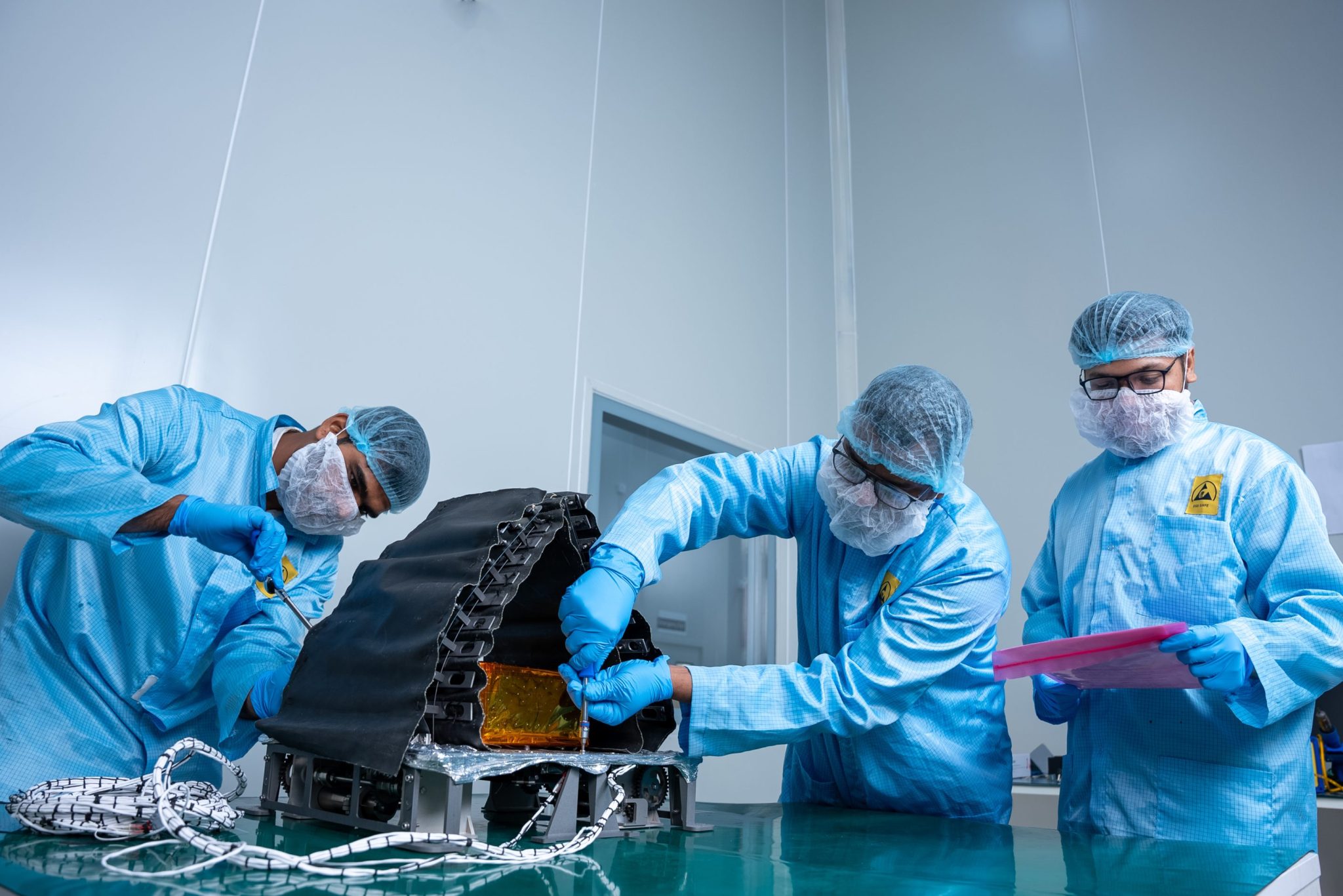
One such space-related investment is Cosmoserve Space, an Indian startup founded by CEO Chiranjeevi Phanindra, a former scientist at the Indian Space Research Organization. Cosmoserve is developing a robotic spacecraft equipped with "petal" mechanisms inspired by the Venus flytrap to capture and remove space debris—thousands of defunct or decommissioned satellites that pose a threat to ongoing space operations.
Despite encountering technical setbacks during their first space test aboard India's first privately developed orbital launch vehicle, Skyroot Aerospace's Vikram-1, Cosmoserve remains optimistic and has already secured $3.17 million in pre-seed funding, recently closing a seed round.
While the space startup landscape is burgeoning, challenges persist. Developing cutting-edge products necessitates a specialized talent pool that remains limited, presenting a hurdle for many aspiring entrepreneurs. Additionally, navigating regulatory frameworks, which can vary significantly across jurisdictions, adds another layer of complexity. Furthermore, the availability of funding for space-related ventures remains scarce, posing a barrier to widespread adoption and innovation.
Despite these challenges, Desai remains cautiously optimistic, attributing SpaceX's IPO to a significant paradigm shift in how investors perceive the space industry. He asserts that the IPO has transformed space from a high-risk domain to a potentially lucrative investment opportunity, akin to the transformative effects Amazon's IPO had on the e-commerce sector.
Desai emphasizes that this shift not only expands the playing field beyond Earth but also opens up new avenues for capital markets, paving the way for the emergence of billion-dollar businesses in the space domain.
Written by urgent.news from Fortune's reporting — not their text. Machine-written — may contain errors; check the original before relying on it.
Also reported by 1 other outlet
- Will SpaceX paint its rocket pink? Investor questions go beyond Moon and Mars ahead of first results economictimes.indiatimes.com