OPEC agrees September oil hike, completing rollback of voluntary cuts
Due to export disruptions from caused by the Iran and Ukraine wars, monthly OPEC+ hikes over most of this year have had little impact on the market.
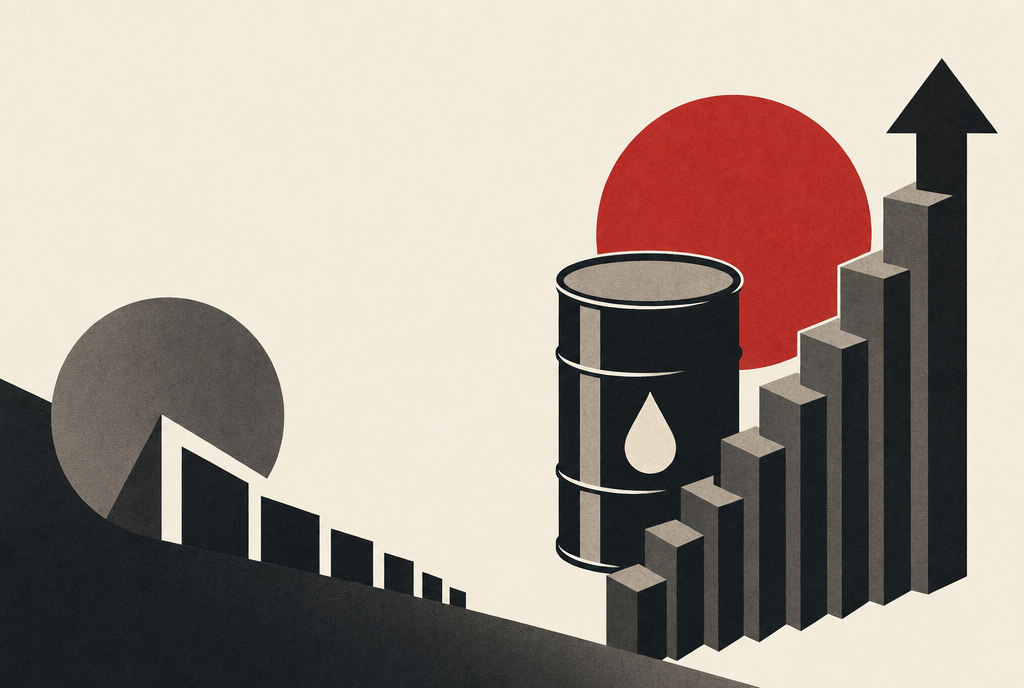
OPEC+ has finalized the unwinding of a layer of voluntary oil production cuts, increasing the production quota by approximately 188,000 barrels per day starting in September, according to the producer group. This move comes in the wake of export disruptions affecting Russia, Kazakhstan, and Iran due to conflicts in the Middle East. The increase completes the phased rollback of a 1.65 million barrels per day (bpd) supply cut initially agreed upon in 2023, when the United Arab Emirates was still a member of OPEC.
Core OPEC+ members, including Saudi Arabia, Russia, Iraq, Kuwait, Algeria, Kazakhstan, and Oman, have agreed to this production hike, marking the end of a series of monthly hikes throughout the year. While OPEC+ sources indicated that the group may pause output increases for the fourth quarter, the statement did not provide details on what might be decided for the final months of 2026.
Jorge Leon, an analyst at Rystad, noted that with the restoration campaign of voluntary cuts now complete, OPEC+ faces the challenge of managing any surplus that may arise as export flows normalize. The organization has no immediate incentive to rush into further supply adjustments. Leon expects a pause in output increases during the fourth quarter, allowing the group to prepare for upcoming quota negotiations in 2027.
Despite the completion of the voluntary cut rollback, OPEC+ still maintains an additional layer of output cuts, totaling around 2 million bpd, which originated from 2022. These cuts are set to remain in place until the end of the year. OPEC+ is currently conducting a review of its members' oil production capacities that will inform 2027 output baselines for setting quotas.
However, negotiations over new production quotas may prove challenging, as some members, such as Iraq, advocate for higher individual quotas based on their enhanced production capacities.
OPEC+ comprises 21 members, including the Organization of the Petroleum Exporting Countries (OPEC) and Russia, along with other allied nations. Historically, only the seven core OPEC members, plus the UAE, have been involved in monthly production management.
Written by urgent.news from CNBC World's reporting — not their text. Machine-written — may contain errors; check the original before relying on it.