Observer: The YouTube Subscribe Pattern
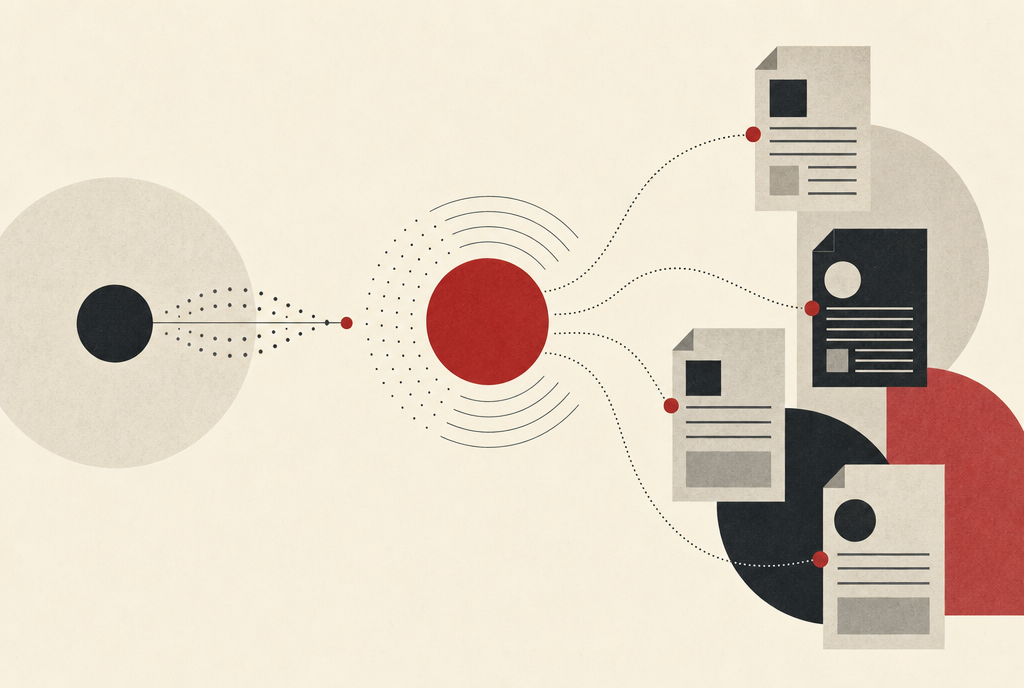
You subscribe to a YouTube channel and hit the bell. Now, whenever the creator uploads, you get notified automatically. You don't sit there refreshing every five minutes asking "new video yet?" The channel pushes the news to everyone subscribed. The channel is the thing being watched — the Subject. You and the other subscribers are the Observers. A new upload is the event that triggers…
The Observer design pattern is a concept seen frequently in the world of programming, particularly when it comes to YouTube subscriptions. When you subscribe to a YouTube channel and click the bell icon, you are essentially becoming an "observer" of that channel. Every time the channel uploads a new video, all of your subscriptions, or "observers", are automatically notified via notifications.
This pattern is characterized by an event or change in the subject (the YouTube channel) prompting all dependent subscribers to react accordingly.
This pattern serves a crucial purpose - streamlining processes and avoiding tight coupling. To illustrate this, consider an order being placed. In a naive implementation, various actions such as sending an email, updating inventory, logging analytics, and notifying the warehouse would all be encoded within the 'PlaceOrder' function.
This would create a situation where any addition of new reactions - like sending a text message for instance - would require modification to the order class, thereby making it tightly coupled with all these different actions.
However, using the Observer pattern circumvents this issue. The concept here involves first defining an interface representing a subscriber's behavior, something like void OnOrderPlaced(int orderId). The 'subject', in this case an 'OrderService', then maintains a collection of these subscribers. When a new order is placed, the 'OrderService' simply iterates through its subscribers list and calls the 'OnOrderPlaced' method on each subscriber.
It's important to note that the 'OrderService' has no knowledge or concern about the specifics of who's subscribed, nor does it need to.
In C#, the Observer pattern is often realized through the use of events, which essentially serve as the channels of communication between subjects and observers. For instance, when an 'OrderService' places an order, it signals the 'OrderPlaced' event, automatically invoking any subscribed actions such as emailing, updating inventory, or tracking analytics. This decouples the subject from its reactions, ensuring that each observer can react in its own unique way without influencing the subject's behavior.
Observer pattern is ubiquitous in programming, extending from UI events in web development to data streams in reactive programming, and even at a network scale through event buses and domain events. It's a testament to the pattern's effectiveness in maintaining a clean, decoupled, and scalable codebase, much like how YouTube notifications keep us updated without us having to constantly refresh the screen.
Written by urgent.news from Dev.to's reporting — not their text. Machine-written — may contain errors; check the original before relying on it.