India's data centre capacity may reach 3-3.6 GW by 2030, hyperscalers to drive growth: Axis Capital
The report noted that publicly announced capacity targets of 6-8 GW by 2030 appear aggressive. A more realistic estimate is 3.4-3.6 GW of planned capacity by mid-2030, while actual operational capacity could be closer to 2.8 GW. This reflects challenges around execution, power availability, equipment supply and construction timelines.
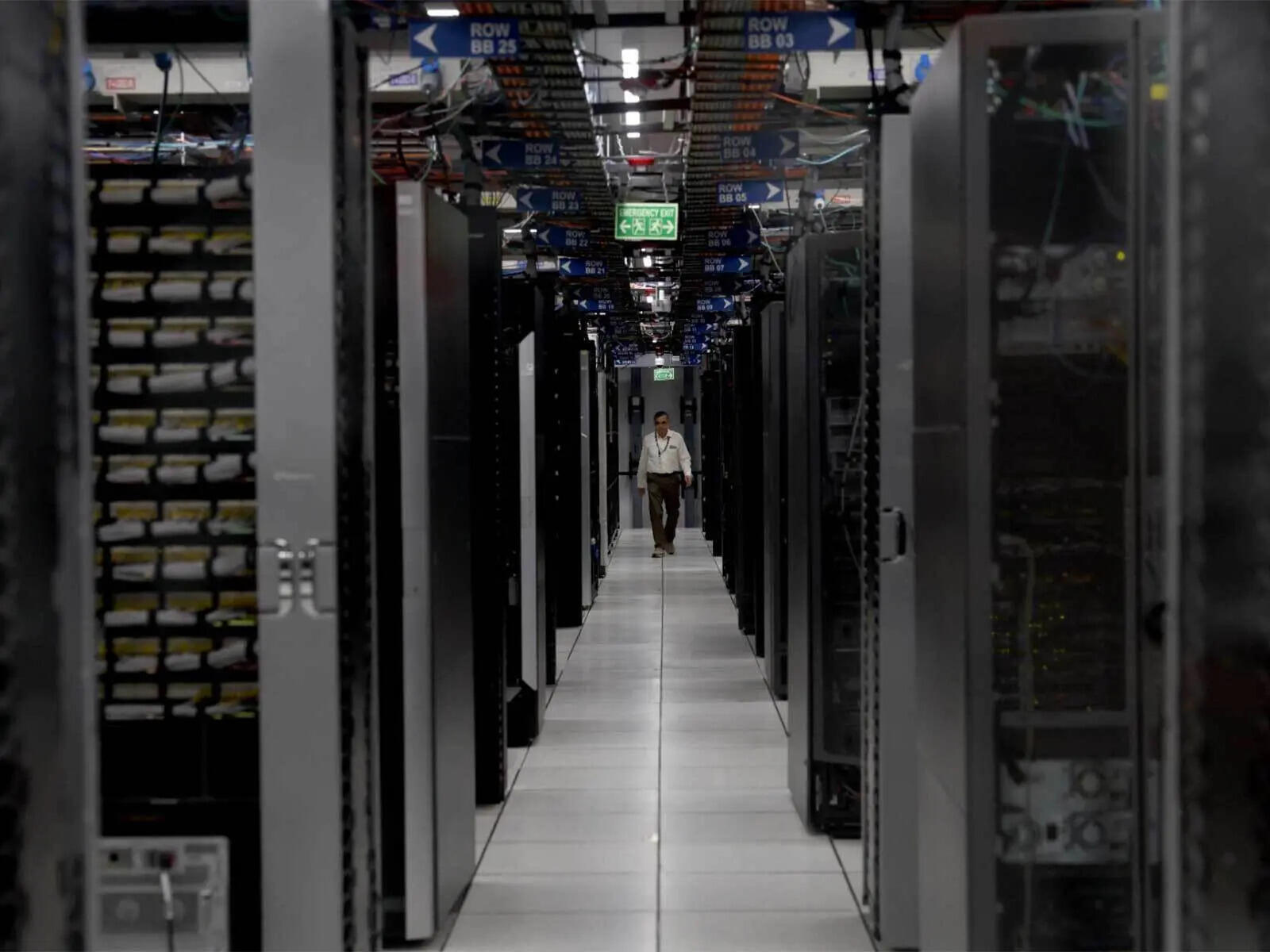
India's data centre capacity is projected to expand to approximately 3-3.6 gigawatts by 2030, primarily driven by large hyperscalers and emerging artificial intelligence-focused cloud providers, according to a report cited by Axis Capital. However, the actual operational capacity may fall short of the 6-8 gigawatt targets set by industry players due to execution challenges and supply-chain constraints.
Hyperscalers are expected to capture approximately 90% of data centre demand by 2030, up from the current 60%, as tech giants such as Amazon Web Services, Microsoft, and Google expand their capacities. The expansion of neo-cloud and large language model hosting requirements also contributes to this growth. Meanwhile, enterprise demand is anticipated to remain relatively stable in absolute terms.
Currently, India's installed data centre capacity totals around 1.3-1.4 gigawatts. Third-party colocation facilities dominate at 60-65% share, followed by hyperscaler captive or leased capacity at 25-30%. Enterprise and edge data centres account for roughly 8-10% and 2-3%, respectively.
While publicly announced capacity targets of 6-8 gigawatts by 2030 may seem ambitious, a more conservative estimate is 3.4-3.6 gigawatts of planned capacity by mid-2030. Actual operational capacity could reach around 2.8 gigawatts, reflecting obstacles in execution, power availability, equipment supply, and construction timelines.
The data centre expansion pipeline is gaining traction, with around 900 MW to 1.2 gigawatts of capacity awarded in the last six to seven months of 2026. However, it takes at least 32-36 months to complete even the first phase of a project. Supply-chain bottlenecks, including backordered backup generation equipment, EPC contractor shortages, manpower constraints, and power-sanction timelines of around 18 months, could further slow project execution.
As AI-enabled facilities require more expensive infrastructure, capital intensity is rising. Traditional colocation builds cost around Rs 44-46.6 crore per megawatt, excluding IT hardware, while AI-enabled infrastructure costs approximately Rs 48-54 crore per megawatt, representing a 10-15% premium.
If all currently announced projects are fully realized, India's data centre capacity could reach 7-8 gigawatts by 2035, presenting significant long-term opportunities in power, cooling, backup infrastructure, construction, and electrical equipment sectors.
Written by urgent.news from Economic Times Tech's reporting — not their text. Machine-written — may contain errors; check the original before relying on it.