New Spinning Drone Hides In Plain Sight
To design invisible drones, researchers have tried camouflage, transparent materials and light-bending optical systems. But engineers at Northwestern University used "motion blur," which an announcement from the school notes is the effect that makes fast-spinning fans seem to disappear. "The drone spins up to 25 times per second, which is too fast for the human eye to see clearly. While it isn't…
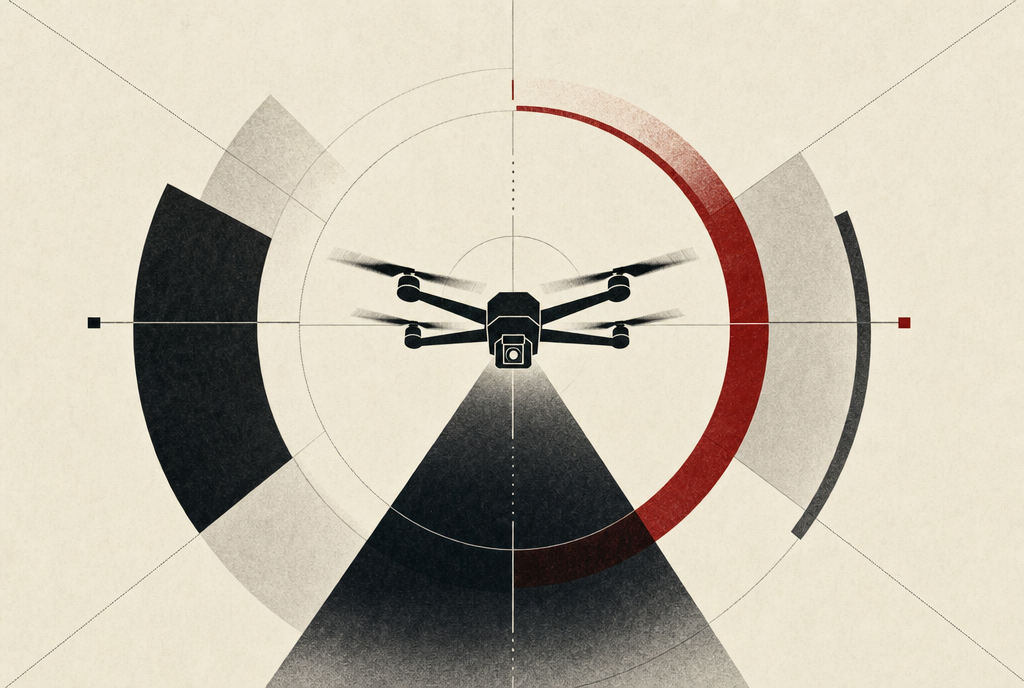
Researchers at Northwestern University have engineered a drone designed to remain hidden from human sight, utilizing the concept of "motion blur" to effectively blend into various environments. By spinning at a rate of up to 25 rotations per second, the drone becomes a fleeting ghostly smudge that evades detection by the human eye.
The creators first employed a computational model to generate approximately 20,000 drone configurations capable of stable flight. An artificial intelligence system then optimized these configurations, adjusting major components such as the motor, propeller, circuit board, counterweight, and batteries until the drone achieved minimal visibility from every conceivable angle.
The engineers subsequently simulated each design spinning in real-world settings, employing a human vision model to gauge how easily the drone could be spotted. This iterative process culminated in the selection of 500 drone designs with the lowest visibility scores, which were further refined through additional optimization. The final product, dubbed "Phantom Twist," represents the culmination of an entirely automated design process overseen by Northwestern's associate computer science professor Michael Rubenstein.
Plans are currently underway to enhance the drone's invisibility by incorporating additional transparent materials or quieter propulsion mechanisms. The team will present their groundbreaking work at the Robotics: Science and Systems 2026 conference, scheduled to take place in Sydney, Australia, on July 16.
Written by urgent.news from Slashdot's reporting — not their text. Machine-written — may contain errors; check the original before relying on it.