The three days of horror that cornered Ceuta
The coastal city is pulling the dead from the sea after the migratory influx from the Maghreb that has put to the test the forces of governments and humanitarian organizations.
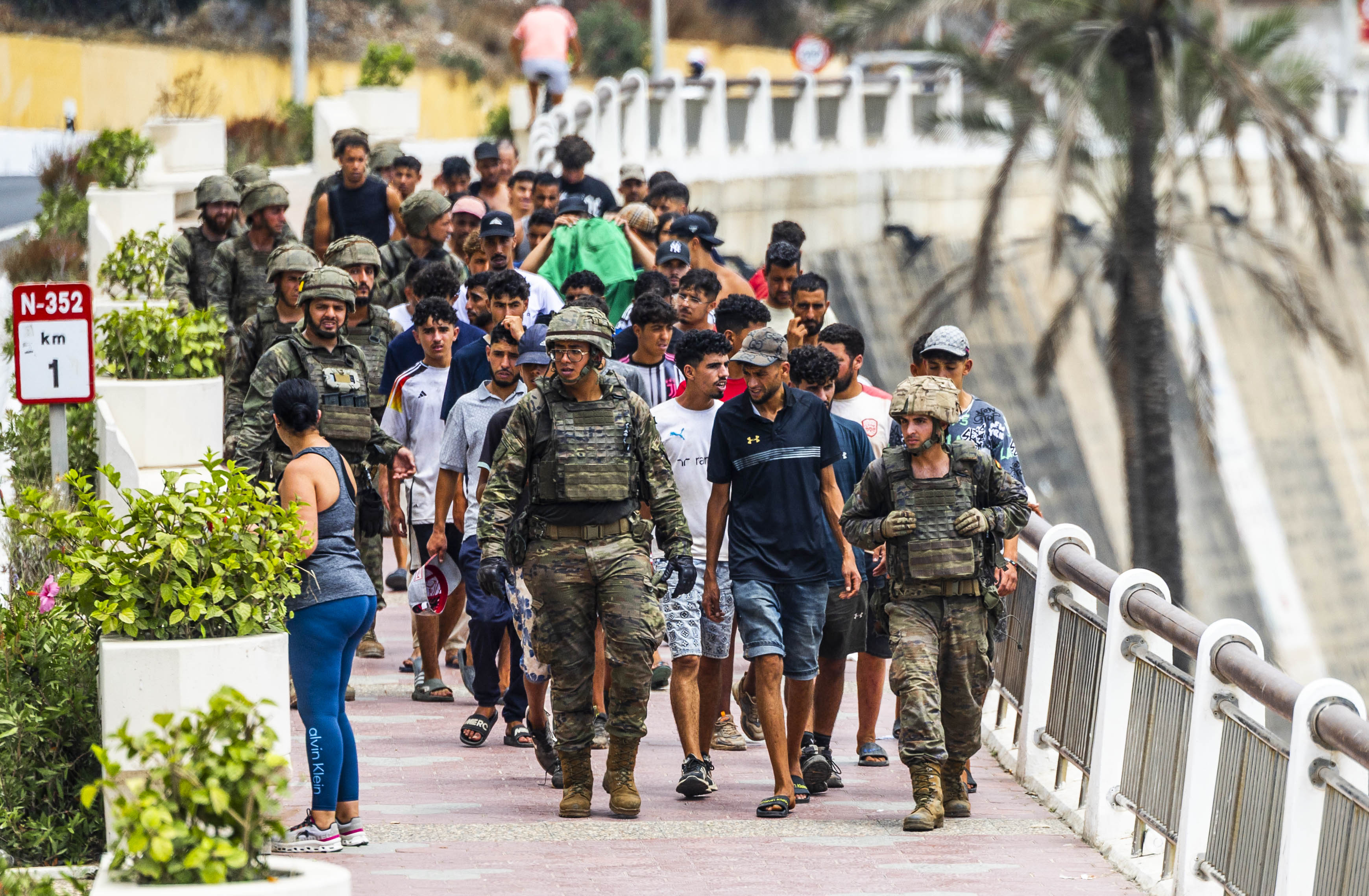
The coastlines of Ceuta and Morocco have yielded dozens of corpses in a matter of days for the sad Mediterranean Sea cemetery. Ceuta sounded the alarm bells on July 27, after a week in which its beaches had bathers by day and immigrants at dawn. The nighttime crossings of the floats, short kilometers and many hours of swimming, had already left more than 1,000 people on the sand, shipwrecked victims of misery, violence, and lack of freedoms.
Immigrants kissed Spanish soil and entered in search of aid. At that time, there were reports of four deaths in seven days. The numbers would become as confusing as they were merciless from then on. On Thursday, the 30th, pandemonium broke out: more than 60,000 people entered in a flood, walking along the Moroccan coast to the Spanish coast.
Only the breakwater that marks the border between the two countries jutted out menacingly towards the sea, but the low tide left the rocks visible and facilitated the climb without the need for floats. Even those who could not swim ran towards it. Those who witnessed the avalanche relive it with horror. “One person clung to the rock, the other to the person who had grabbed it first, and the next to the previous one.
And they were sinking. Some of us got into the water to help lift those who no longer had the strength,” says an official who was there and does not want to give his name. The city has installed refrigerated chambers for 200 corpses. And the bathers have already returned under their umbrellas.
Translated by urgent.news. Machine-written — may contain errors; check the original before relying on it.