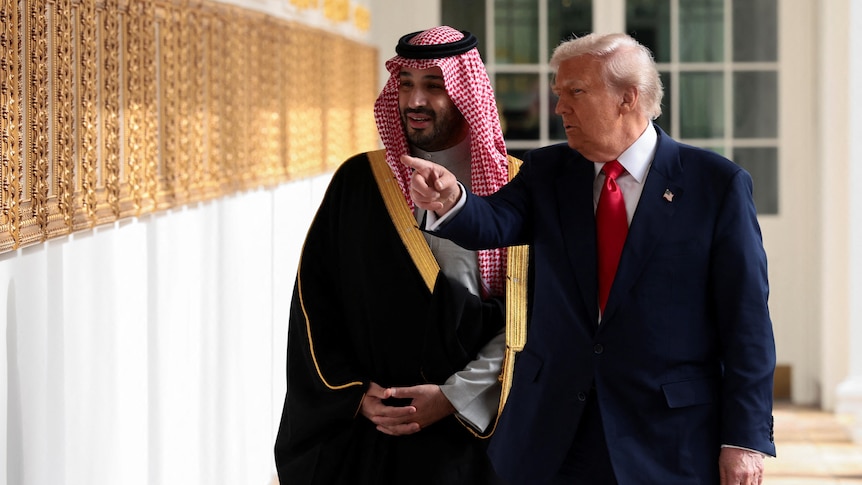
Iran’s leaders show a united front over the war but are divided over what the goal is
CAIRO (AP) — With escalating attacks against U.S. bases and its allies over the past…
Iran's leadership demonstrates a united stance on their war tactics, maintaining a firm resolve to demonstrate their ability to withstand American attacks. However, behind the scenes, there is a significant divide among the ruling elites regarding the desired outcome of the conflict. On one hand, the ultra-conservative faction, known as the "Paydari" movement, advocates for a decisive military victory and the enforcement of the Islamic Republic's authority over society.
They are staunch ideologues who believe in the Islamic Republic's dominion over all aspects of life. On the other hand, there is a faction that supports President Masoud Pezeshkian and the influential Speaker of Parliament, Mohammad Bagher Qalibaf, who serves as Iran's chief negotiator. This group perceives military pressure as a means to reach a negotiated agreement with the United States, while also being concerned about the economic ramifications of the war and the necessity of adapting to societal changes.
A spokesman for Qalibaf, Mahdi Mohammadi, has emphasized that negotiation serves as both a political tool and a reinforcement of military action, aiming to compel the enemy into submission and extract substantial concessions. This internal conflict within the leadership highlights a struggle for dominance over Iran's post-war trajectory.
The identity of the new Supreme Leader, Ayatollah Mojtaba Khamenei, remains uncertain. Rumors suggest that he was injured during the initial strike that claimed his father's life, and he has been absent from public view since the beginning of the conflict. Both sides have claimed his backing, but his position remains unclear. Iran's commitment to projecting strength is evident, particularly in the approval of the April ceasefire deal with the United States.
Twelve out of the thirteen members of the Supreme National Security Council, including high-ranking members of the Revolutionary Guard and the military, endorsed the agreement. The sole dissenting vote is believed to have come from Saeed Jalili, a key member of the pro-war "Paydari" faction. Nevertheless, the ceasefire has been weakened as both sides continue to engage in hostile exchanges, and Iran's insistence on control over the Strait of Hormuz—a critical route for global oil and gas trade—has heightened tensions.
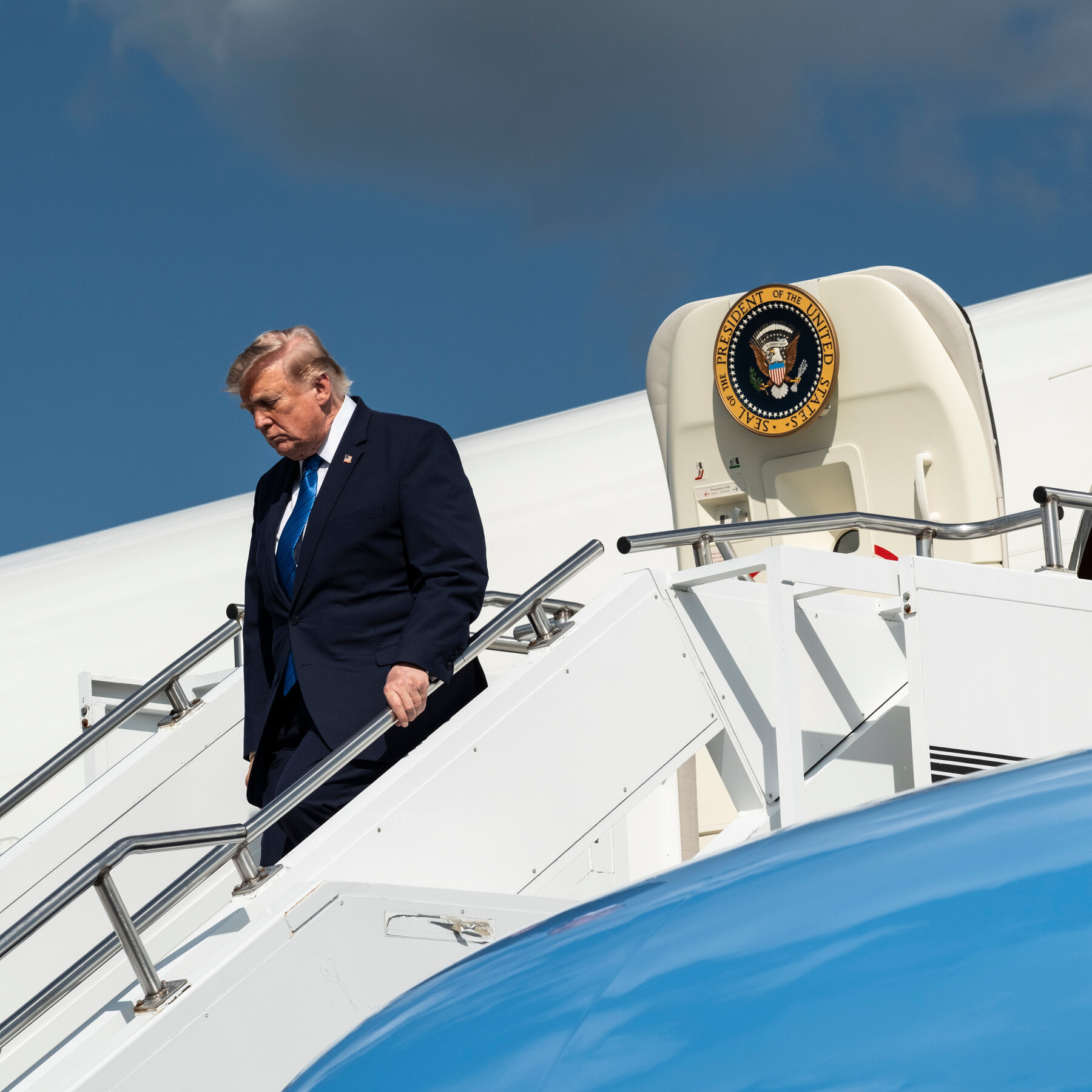
Furthermore, Iran's disappointment over the lack of fulfillment of financial commitments under the deal, including the release of billions in frozen assets, has exacerbated the situation. With no tangible benefits from the accord, the leadership is united in their belief that U.S. President Donald Trump responds best to displays of force. Consequently, they aim to gain the upper hand to ensure Trump accedes to their demands.
Written by urgent.news from Associated Press's reporting — not their text. Machine-written — may contain errors; check the original before relying on it.