Iran-Krieg: Trump: Angriffe auf Iran abgesagt - „Umrisse einer Einigung“
Das US-Militär stand Berichten zufolge kurz vor einer massiven Angriffswelle auf Ziele im Iran. Nun will Trump anscheinend darauf verzichten - sofern seine Bedingungen schnell erfüllt werden.
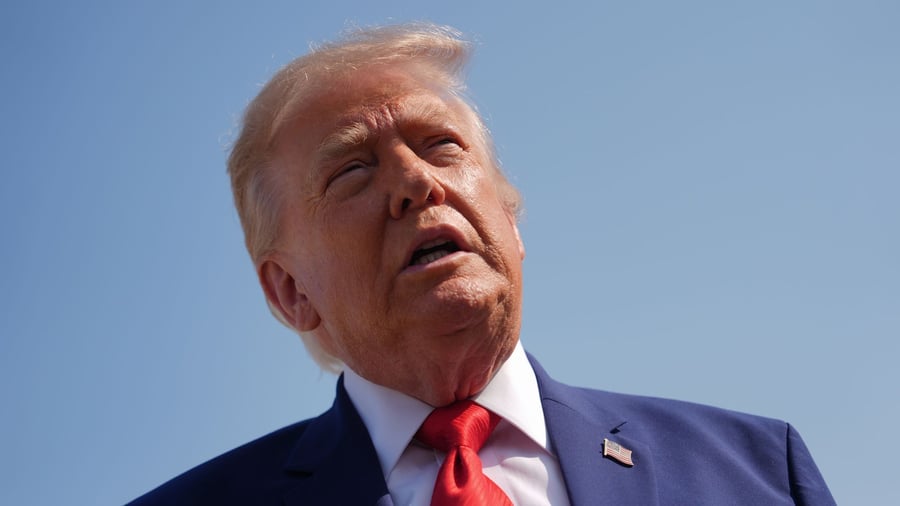
US-Präsident Donald Trump, following reported progress in diplomatic negotiations with Iran, temporarily halted a planned military escalation against the country, according to his recent posts on his Truth Social platform. The president stated that a swift resolution of the conflict is necessary for the military's readiness to launch a large-scale attack, which it has not done since World War II.
Iran and other regional countries have requested that the US cease military action, as the situation now includes "outlines of an agreement." These include the complete opening of the Strait of Hormuz and an end to Iran's nuclear threats, said Trump. Israel would also be bound by the agreement, not launching any further attacks on Iran.
Trump added that all should work together to resolve the issue: "Make yourselves work and FINISH it." Details of the alleged diplomatic breakthrough were not disclosed by Trump at that time. The Iran or regional states involved in the talks did not immediately comment on the situation in the night. This is not the first time Trump has claimed a breakthrough that later turns out to be false or fails to materialize in reality.
The Strait of Hormuz, for instance, was expected to reopen for international shipping following the June framework agreement with Iran, but it never happened. After an initial increase in shipping activity in the strait, it was again nearly blocked due to new attacks. The strait is crucial for oil and gas exports from the Persian Gulf states, and Teheran uses the blockade, leading to higher global oil and gas prices, as a tool of pressure against Trump.
Republican candidates must confront voter sentiment over high petrol prices in the coming months. The US military, meanwhile, has renewed its naval blockade against Iran to cut the country's income from oil exports. Oil exports are the main revenue source for the Islamic regime in Tehran. The June framework agreement also called for further negotiations on Iran's nuclear program.
Israel, the US, and several other states accuse Iran of working on atomic bombs, due to its uranium enrichment program. Iran denies the allegations and insists on its right to use nuclear energy for peaceful purposes. Experts doubt a quick resolution to this dispute. The alleged nuclear threat from Iran was cited by Trump as a reason to launch American-Israeli attacks on Iran at the end of February, initially claiming the war would last only a few weeks.
Now, it has entered its sixth month. Iran threatened counterattacks on Israeli and Persian Gulf facilities in case of a planned military escalation. Iran's Foreign Minister Abbas Araghtschi warned on Telegram on Saturday of a new military escalation against the US, its allies, and the Gulf states, warning that Iran's strong military forces would respond decisively to any aggression.
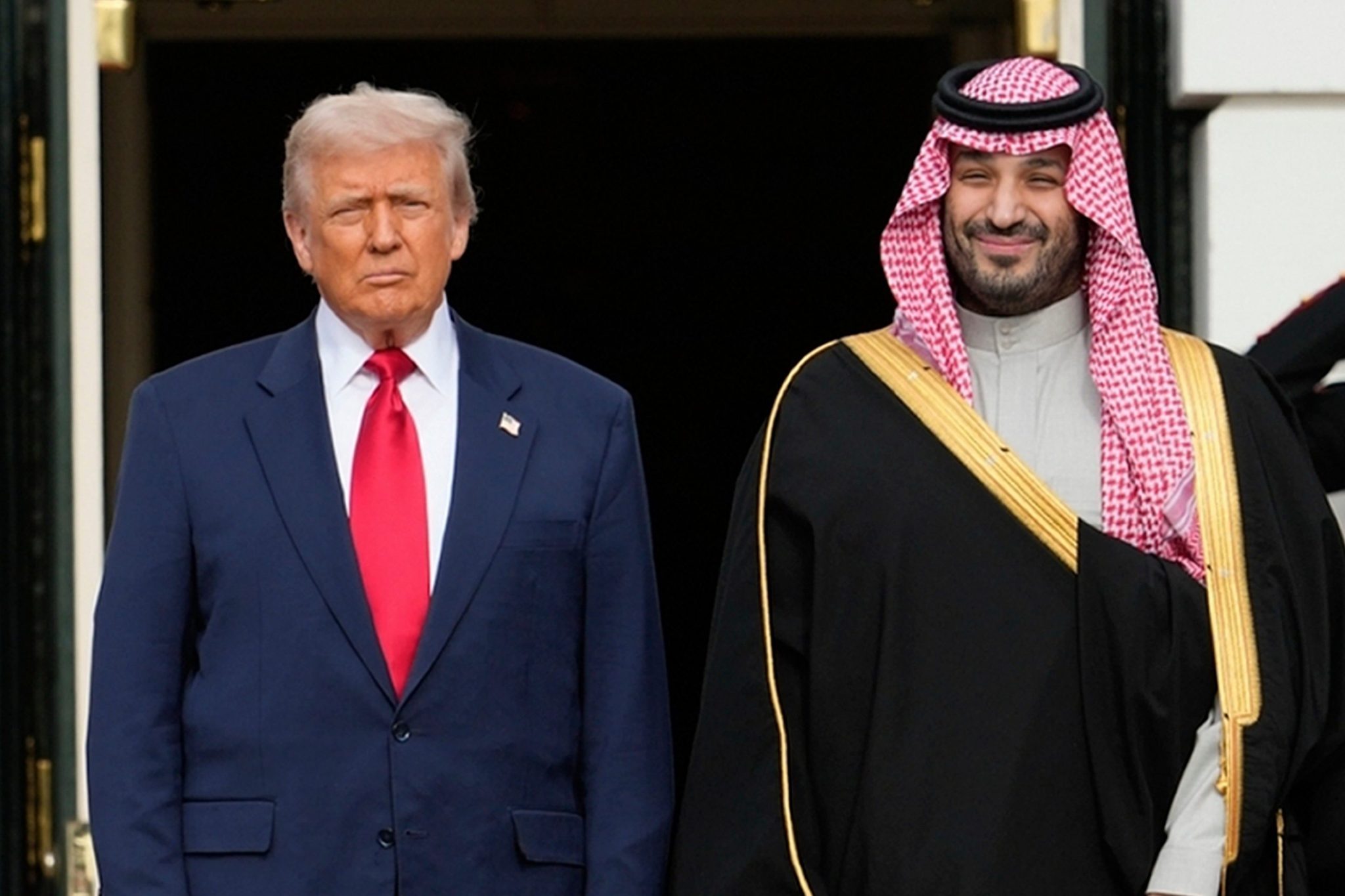
If further attacks occurred, the US, Israel, and other involved countries in the Gulf region would bear full responsibility. Saudi Arabia's Crown Prince and Prime Minister Mohammed bin Salman called on Trump to de-escalate the situation in a phone call. The call's exact timing is unclear, but Axios reported on it earlier.
Written by urgent.news from Handelsblatt's reporting — not their text. Machine-written — may contain errors; check the original before relying on it.