From gendered sacrifice to ancient politics: DNA lifts shroud on early Chinese civilisation
Thousands of years ago, a handful of burgeoning civilisations were forming the earliest cultures of what would evolve into China. Among these peoples were the Shimao, who constructed majestic walls that were mistakenly believed to be part of the Great Wall of China until jade artefacts were discovered, dating the infrastructure to be much older. The Shimao inhabited Shaanxi, in central China,…
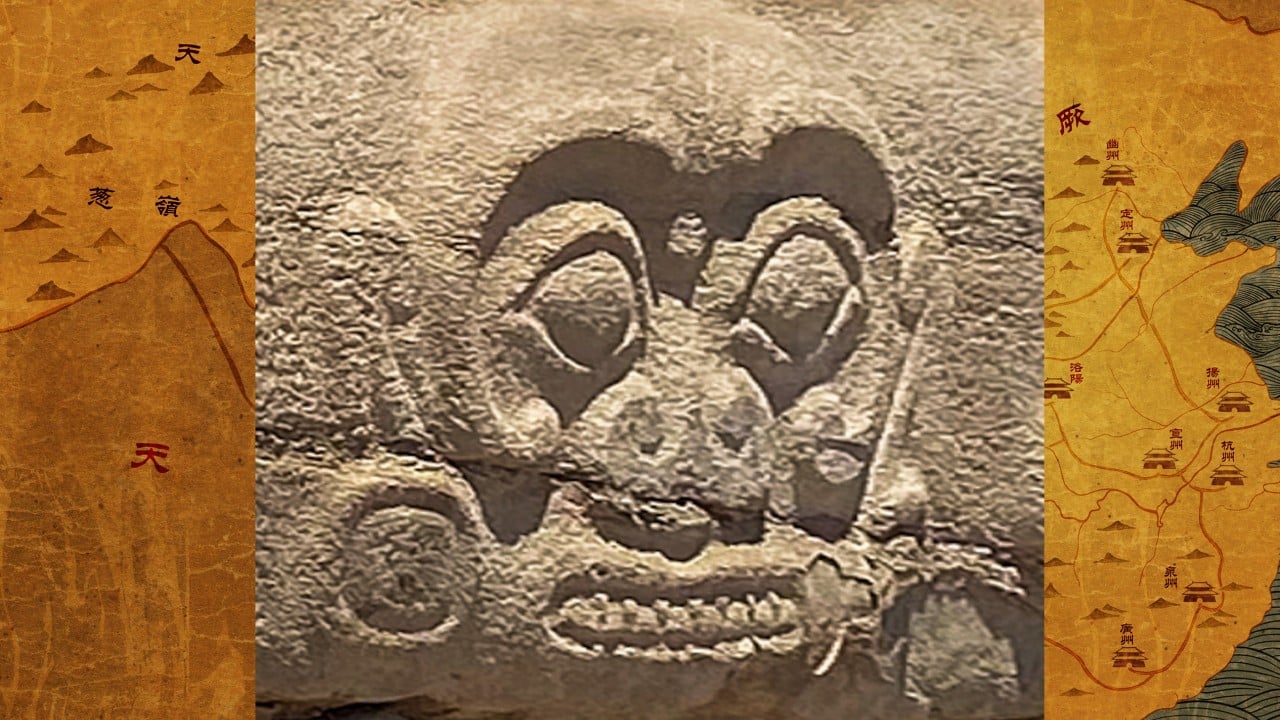
In ancient times, the foundation of China's earliest civilizations was being laid by the Shimao, a people who built elaborate walls in central China between 2300 and 1800 BC. These structures, often confused with parts of the Great Wall, were in fact much older. While traditional archaeology struggles to uncover much about this remote period, DNA analysis has now provided unprecedented insights into the Shimao's culture and society.
A recent study published in the journal Nature has revealed that the Shimao practiced a gendered form of human sacrifice, with women being sacrificed near elite cemeteries and men around the eastern gate of their settlements. This practice seems to have been tied to the wall-building process and a tradition of ancestor veneration.
The Shimao were likely descendants of the earlier Yangshao culture, which emerged around the Yellow River around 5000 BC, and were connected to communities in Shanxi and Inner Mongolia. The study also found evidence of long-term DNA blending between the Shimao and the Yumin people, as well as the Taosi Culture in southern Shanxi.
This genetic continuity suggests that the Shimao maintained a stable ethnic and cultural identity for centuries. Interestingly, power in Shimao society was believed to have been passed down through generations, similar to later historical monarchies. However, women were able to hold the highest positions of power. The researchers noted that family lineages in the elite tombs spanned several generations, indicating a complex social hierarchy with power dynamics deeply embedded in the society.
Written by urgent.news from South China Morning Post's reporting — not their text. Machine-written — may contain errors; check the original before relying on it.