FOOD FOR THOUGHT: Organic free-range eggs are not all they’re cracked up to be, study finds
The environmental findings — notably concerning climate change — highlight how animal welfare concerns and activism can give rise to unexpected conservation consequences and ill-conceived policies
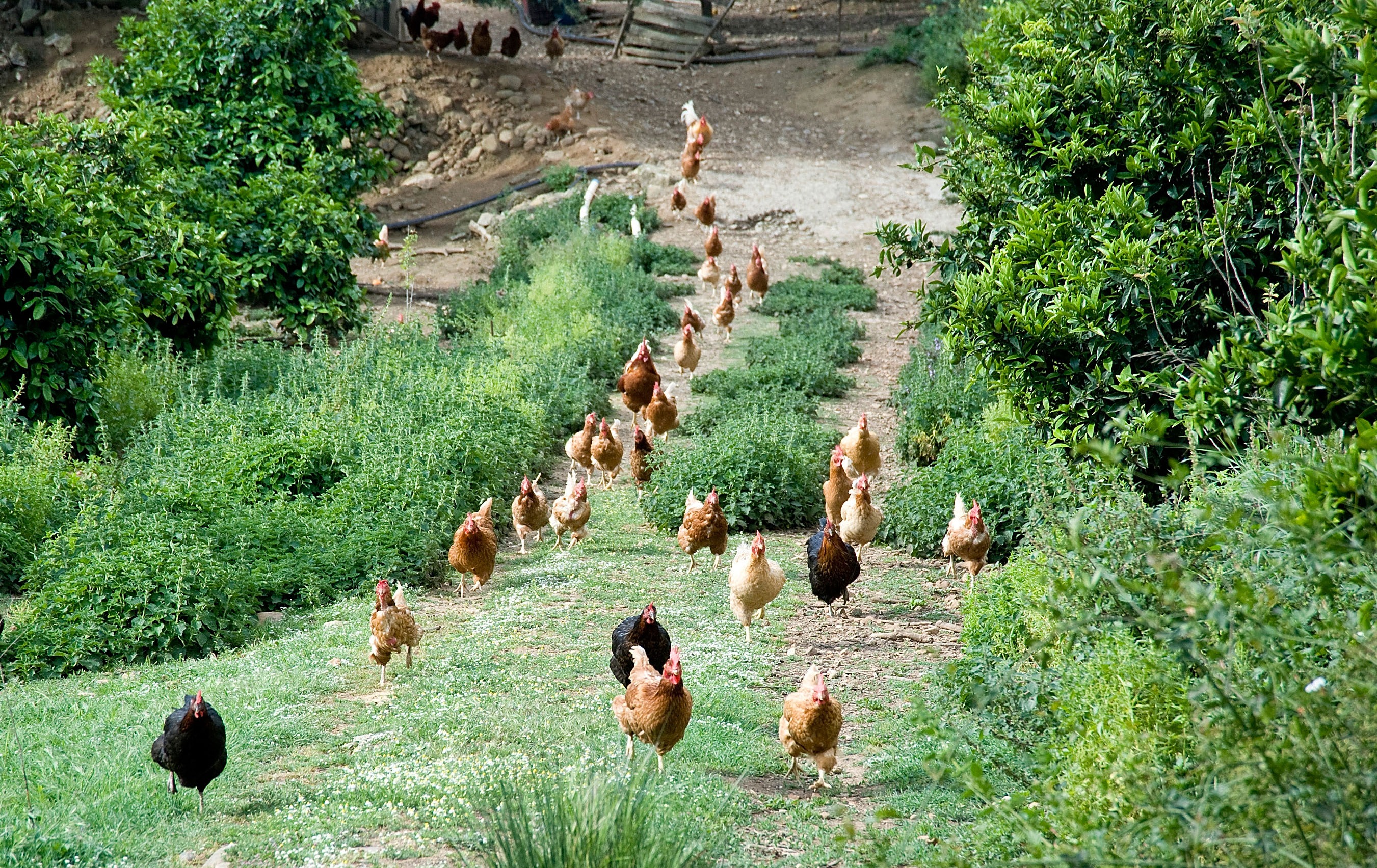
A recent study published in the Royal Society Open Science journal has challenged the perception that organic free-range eggs are better for the environment and animal welfare compared to caged eggs. Contrary to consumer beliefs, the research reveals that organic free-range eggs have a higher environmental footprint and may not necessarily offer better welfare conditions.
The study, which focused on the UK poultry industry, found that organic free-range eggs exhibit the highest total environmental burdens across all impact categories. These impacts are largely due to higher emissions per kilogram of eggs, a larger required population to maintain production, and elevated mortality rates. The global warming potential of organic free-range eggs ranges from 1.80 to 3.52 kg CO2-eq kg-1 of eggs, the highest of all systems.
The reason behind the higher environmental impact lies largely in productivity: more chickens need to be raised outdoors to produce the same amount of eggs as caged birds. This requirement leads to increased feed production, which is the dominant contributor to total production emissions. Additionally, manure management and housing are also important factors, as free-range systems often result in greater nitrogen oxides (NH3) emissions and nutrient leaching due to larger land areas and manure spreading practices.
Even more surprising is the research's findings on animal welfare. Although free-range eggs are marketed as being better for chickens' welfare, the study shows that caged systems have fewer slaughtered animals and lower mortality rates. While free-range systems are often perceived as more animal-friendly, the study reveals that they actually require more animals, increasing the number of animals affected and slaughtered.
The authors of the study acknowledge the limitations of their welfare-focused analysis, as various welfare indicators were not explicitly addressed. However, they suggest that mortality rate can serve as a useful indicator, though it lacks information on the underlying causes of animal welfare issues.
This study highlights how well-intentioned consumer activism focused on animal welfare can sometimes lead to unintended environmental consequences and policies. It also demonstrates how economic productivity can come with a green appearance, suggesting that, for those concerned with environmental impact, choosing caged eggs might be a more sustainable option.
Written by urgent.news from Daily Maverick's reporting — not their text. Machine-written — may contain errors; check the original before relying on it.