Drought: Hungary shuts down nuclear power plant – electricity supply under pressure
The Danube is carrying less water than ever: Hungary is switching off its nuclear power plant completely for the first time. What this means for electricity consumers now.
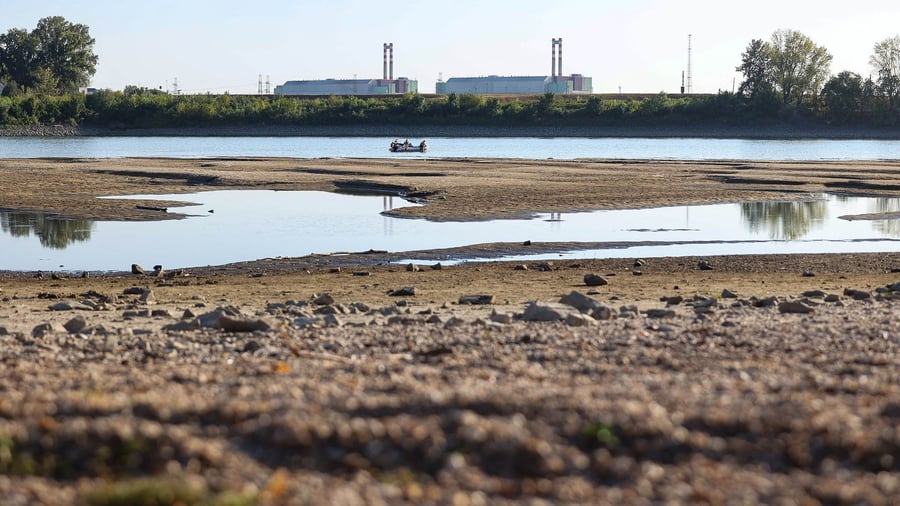
Hungary has halted its Paks nuclear power plant due to an exceptionally low water level on the Danube, which poses a significant threat to the country's power supply. Prime Minister Peter Magyar announced on Facebook that the last reactor block at the Paks nuclear power plant, which has been operating since 1974, will be shut down at night on Sunday, marking the first time it has been completely offline in 44 years.
The plant, located about 100 kilometers south of Budapest, relies on the Danube for its cooling water, which has dropped to just one-third of its July average in its lower course.
The government has also announced that major industrial consumers in Hungary may face power cuts if they fail to reduce their consumption despite the expected decrease. Starting from Monday, Hungary could face a severe power shortage, with 2,000 megawatts of domestic production expected to go offline. At the same time, the increased demand for electricity due to rising temperatures will put additional pressure on the power grid. The crisis could persist for weeks because of the anticipated hot summer.
Several major industries, including car manufacturers Mercedes and Suzuki, have pledged to conserve electricity in their production facilities in Hungary. Mercedes, for instance, had planned a three-week shutdown at its Kecskemét plant starting the following week. The company had recently significantly expanded its production capacity at the facility, located 75 kilometers southeast of Budapest.
Hungarians are being urged to reduce their electricity consumption during peak hours, between 5 and 10 p.m., to help alleviate the strain on the power supply. This includes avoiding the charging of electric vehicles and running air conditioning units. An average summer evening typically requires 6,000 megawatts of electricity, which could increase by 20 percent due to the heat. Hungarian officials are now activating the country's power reserves and exploring import options to address the crisis.
Written by urgent.news from Handelsblatt's reporting — not their text. Machine-written — may contain errors; check the original before relying on it.
This story
This is one outlet's version. Read the fullest account.