Deep Read: „Das Rennen ist noch nicht gelaufen“ – Digitalminister Wildberger glaubt an Europas KI-Aufholjagd
Mythos, Kimi K3, GPT-5.6 Sol: Die KI-Weltspitze ändert sich im Wochentakt – Europa bleibt außen vor. Gibt es noch Hoffnungsträger? Ja, sagt nicht nur der Digitalminister. Eine Spurensuche.
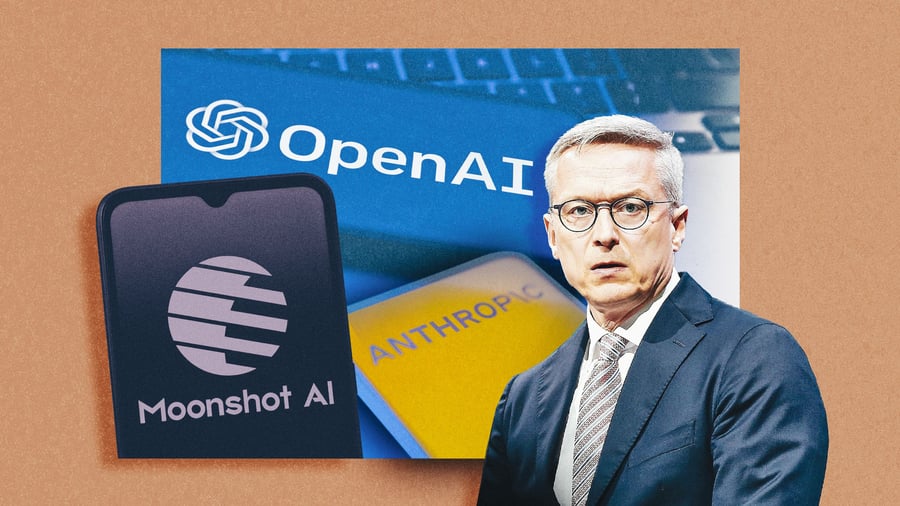
Berlin, Düsseldorf, Heilbronn – Artificial Intelligence is now considered critical infrastructure and, as such, a matter of national security, as warned by Digital Minister Karsten Wildberger (CDU) at the "TECH by Handelsblatt" in Heilbronn in June. He had called for Europe to develop high-performance AI models, at a time when the US company Anthropic had only recently unveiled its "Mythos" AI model, which discovered unprecedented security vulnerabilities in decades-old and widely used software.
Concerned about potential misuse, the US government even temporarily blocked access. Germany and the EU had fallen behind technologically. Two months later, a lot had happened – mostly not in Europe. Chinese startup Moonshot AI unveiled Kimi K3, a model on par with US tech leaders. Last week, OpenAI admitted responsibility for a hacker attack on the AI platform Hugging Face.
It seemed like Europeans could benefit from China's open AI, but reports from Beijing now indicate plans for a strategic shutdown. Wildberger's warning is more relevant than ever. Speaking to the Handelsblatt, the Digital Minister emphasized that "Europeans must urgently and resolutely continue to work on our own AI capabilities."
He is convinced that "the language model race is not over for us." Europe has everything it needs, but is that truly the case? The big AI race has been announced countless times, and in Europe, there is still no top-class language model, known in the industry as a "Frontier Model." The Handelsblatt interviewed dozens of researchers, politicians, security experts, and entrepreneurs to understand what has been holding them back. Now, what might change.
Written by urgent.news from Handelsblatt's reporting — not their text. Machine-written — may contain errors; check the original before relying on it.