As Trump balks again at escalating war, Iran smells ‘blood in the water’ and looks to exploit its newfound strategic advantage, experts say
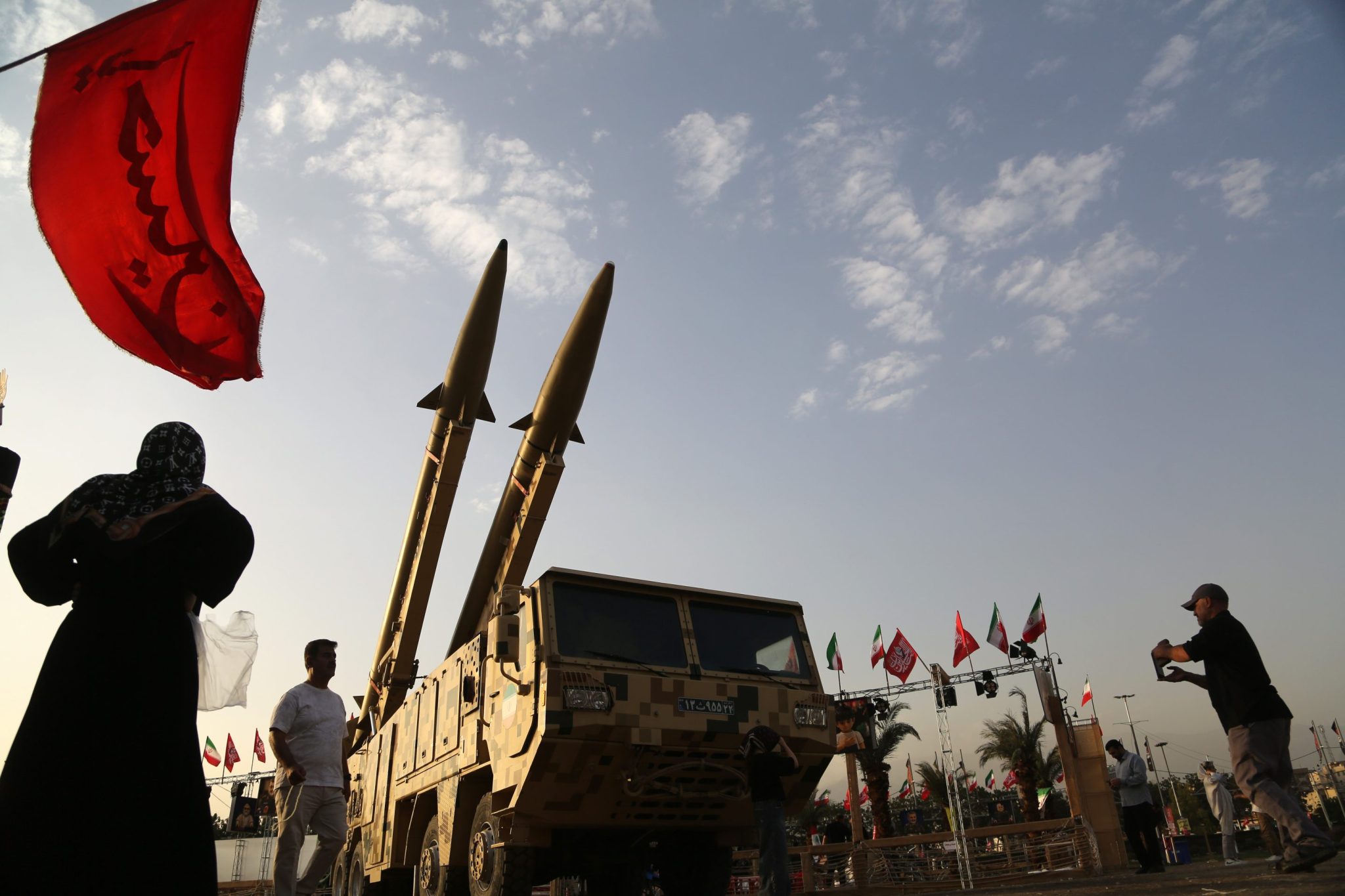
Within the ongoing Iran war, President Donald Trump has repeatedly threatened a large-scale attack, only to retreat at the last moment. While he credited his decision to U.S. allies urging him to resume diplomacy, experts suggest that Iran is gaining the upper hand. Tehran has employed its allies to extend the conflict, notably the Houthis group, which is putting shipping vessels in the Red Sea at risk by using the Bab el-Mandeb Strait to bypass the Strait of Hormuz.
Simultaneously, Iran has cautioned its Persian Gulf neighbors that they will be targeted if there is another round of airstrikes following evidence that its long-range weapons can evade U.S. defenses. Iran and its allies are "seeing blood in the water and believing there is a benefit in escalating and entering the fray," said Afshon Ostovar, an Iran expert at the Naval Postgraduate School.
Their aim is to prolong the conflict rather than cause more significant damage, as Iran believes that the longer it persists, the weaker their adversaries' resolve will become. In fact, Trump's approval ratings on his management of the economy and the Iran war have plummeted, with support dwindling even among Republicans. With midterm elections approaching and gasoline prices rising again, Tehran perceives an opportunity to exploit U.S. political vulnerabilities.
An Iranian diplomat disclosed to the Wall Street Journal that the regime is ready to take advantage of Trump's political weaknesses and may consider preemptive strikes if talks fail. This belligerent stance became evident last week when Iran launched unprovoked assaults on U.S. bases, which Central Command classified as an "attempted surprise attack."
In contrast, Trump's continued restraint is surprising, given that Iran has crossed his red line for resuming all-out war after it killed U.S. troops in Jordan last month. Although the U.S. still has substantial military assets in the region and continues to enforce a naval blockade on Iran, causing increased economic hardship, Washington and its allies have significantly depleted interceptor supplies required to counter Iranian attacks, putting critical components of their energy infrastructure at risk.
Global crude oil and refined product inventories have also decreased sharply, with analysts warning that the "tank bottoms" will arrive soon unless the Strait of Hormuz reopens promptly. Consequently, the overall situation has shifted in favor of Iran. Former Israeli intelligence official Dennis Citrinowicz noted that Iran has managed to establish a sense of mutual deterrence, influencing Washington's decision-making.
Despite suffering considerable losses at the war's beginning, Iran has since demonstrated its ability to hold the global economy captive by threatening vital maritime chokepoints and its Gulf neighbors. Furthermore, Saudi Crown Prince Mohammed bin Salman communicated directly with Trump on Saturday to express his concerns over plans for extensive new U.S. strikes on Iran.
The kingdom's chief advisor reportedly requested Trump to ease up and refrain from launching the attacks, days after the Saudi defense minister conveyed a similar message. While President Trump might still decide to order military action, Citrinowicz argues that the fact that Washington continues to hesitate implies they recognize the risks of escalation and are not convinced that a wider campaign would force Iran to back down.
Written by urgent.news from Fortune's reporting — not their text. Machine-written — may contain errors; check the original before relying on it.