As more South Koreans shun drinking, Seoul nightlife reinvents to stay relevant
On a midsummer Thursday night, the entertainment district of Hongdae in Seoul is slowly coming alive. Short for Hongik University, Hongdae neighbours several university campuses and typically attracts thousands of young people to its flashy streets. Just a few blocks away from the main clubbing area, the atmosphere is quieter with hardly any patrons at a row of pubs and restaurants. “Hongdae is…
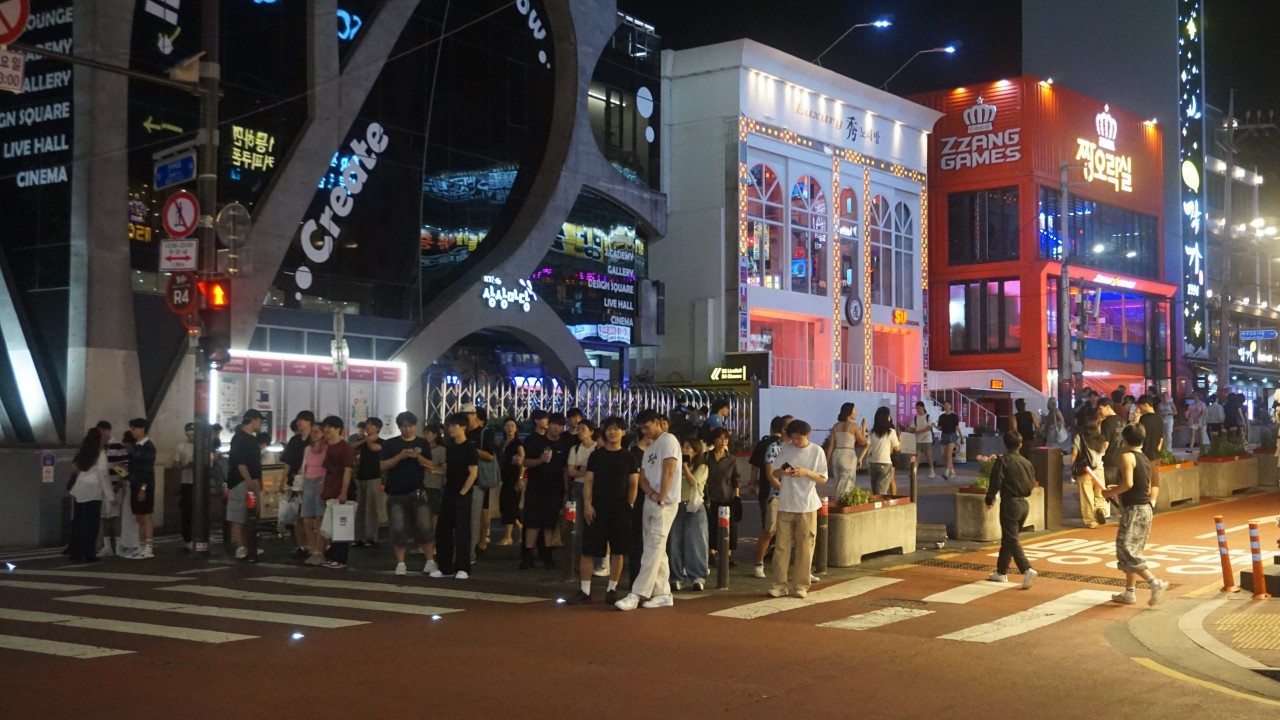
As more South Koreans forgo drinking, Seoul's nightlife is adapting to remain relevant. Hongdae, a popular nightlife district near university campuses, has seen a decline in patrons, with Chris Kim, a 27-year-old fashion industry professional, noting that his friends no longer frequent the clubs due to the lack of drinking culture.
The pandemic exacerbated the trend, leading to a significant decrease in household spending on alcohol, with a 17.3% drop in domestic alcohol shipments from 2014 to 2024. Young South Koreans are also consuming less alcohol, with 56% either abstaining or drinking less frequently, compared to 37.9% in 2005.
This shift in social behavior has prompted nightlife venues to reinvent themselves. Itaewon, another popular nightlife district, has seen a decline in alcohol purchases at clubs like Soap Seoul, which has responded by incorporating 3D graphics in digital posters and banning smoking to attract customers. Bolero, an underground club, has also attracted crowds with curated events and globally renowned DJs, highlighting the importance of music choice in drawing patrons.
Written by urgent.news from South China Morning Post's reporting — not their text. Machine-written — may contain errors; check the original before relying on it.