A quiet day in Harare after Zimbabwe’s shutdown call
Harare’s streets have been quieter than usual as residents wait to see whether a call for a nationwide shutdown against constitutional changes would lead to protests.
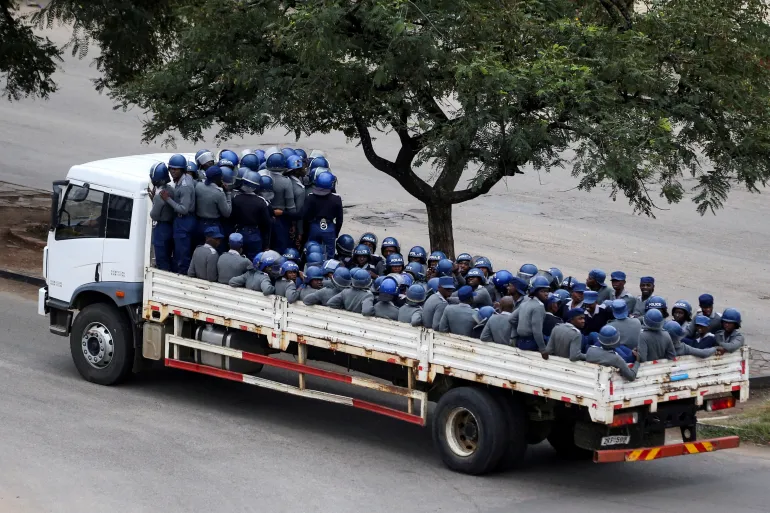
Harare's streets appeared quieter than usual on Friday as residents awaited the possible outcome of a nationwide shutdown called against proposed constitutional changes. The first noticeable difference was the traffic. Car traffic leading into the city center was notably lighter than typical, with the morning rush hour missing entirely.
Commutes to Harare's central business district were quicker than expected. Police presence was prominent across the city, with officers blocking access to a popular park and parking water cannon trucks nearby, indicating authorities' readiness to prevent any demonstrations. Despite the heavy police presence, it was not until around 8:30 am (06:30 GMT) that parts of Harare's central business district began to wake up.
Some shops opened while others remained closed, showing a mix of activity and inactivity. The city's usual bustling atmosphere was noticeably subdued. The shutdown call was sparked by constitutional amendments approved by Zimbabwe's Parliament and signed into law in July. These amendments extend the presidential term from five to seven years and shift the next election from 2028 to 2030.
The changes also alter the process for selecting future presidents, moving from a direct election by voters to one chosen by parliament. President Emmerson Mnangagwa, who has been in power since 2017, was set to step down at the end of his second term in 2028. Opposition groups and civil society organizations argue that the amendments could allow Mnangagwa to remain in power beyond 2028.
The government, however, defends the changes, stating they aim to reduce political tensions and enhance stability. Mnangagwa's critics, including Godfrey Gurira, a former liberation fighter, see the amendments as a betrayal of the ideals they fought for. They advocate for one man, one vote. The ruling ZANU-PF party, which has governed Zimbabwe since independence in 1980, has rejected the accusations that the amendments are meant to extend Mnangagwa's time in office.
Information and publicity director Farai Marapira of ZANU-PF claimed the constitutional changes were meant to address political tensions related to Zimbabwe's electoral cycle. However, opposition groups remain unconvinced, arguing that the changes undermine democratic accountability. Although the shutdown call did not result in widespread disruptions in Harare, the city remained largely calm, gradually returning to its normal weekday routine by the afternoon.
Despite this, the dispute over the constitutional changes continues, with opposition groups challenging them in the Constitutional Court while the government persists in its defense.
Written by urgent.news from MyJoyOnline Ghana's reporting — not their text. Machine-written — may contain errors; check the original before relying on it.