Wildfires in Europe: blazes continue to spread in France and Greece
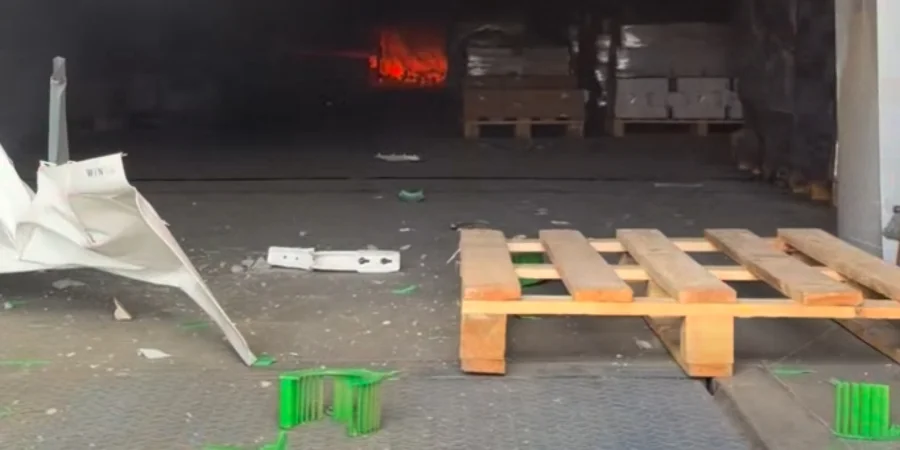
A wildfire in Provence continues spreading despite emergency services keeping it from nearby towns. Meanwhile, 400 firefighters battle winds-fueled fires threatening a coastal resort in Greece.
In a summer marked by record heat waves, France and Spain find themselves battling wildfires that have led to the evacuation of over 300,000 individuals. Scientists attribute the severity of these fires to a stark contrast between wet and dry weather, a phenomenon linked to climate change. Despite the rainy start to the year, scientists from World Weather Attribution highlight that the summer of 2026 is shaping up to be one of Europe's most significant heat and drought events in recent years.
June of this year was the hottest on record for Western Europe, leading to more than 10,000 excess deaths during an unprecedented heat wave.
Fires are currently raging near Bordeaux, France, and Madrid, Spain, having scorched vast tracts of land. In certain areas, towering smoke columns have given birth to "fire clouds," which can spawn high winds and lightning strikes, further exacerbating the fire's spread. Francesca Di Giuseppe, fire forecast coordinator at the European Centre for Medium-Range Weather Forecasts, emphasizes that the rapid transition from a wet winter to a dry summer is a key contributor to this situation.
Following an atypical winter that saw heavy rainfall, which encouraged vegetation growth, an unusual and prolonged summer drought turned this new growth into kindling.
This phenomenon, known as "weather whiplash," has been implicated in other wildfires, including the catastrophic ones that ravaged Los Angeles last year. After experiencing record rainfall in early 2024, the city faced an extended dry spell that desiccated abundant grasses and shrubs. Climate scientists liken the atmosphere to a sponge that, as the planet warms, grows larger and can absorb more moisture from plants, soils, lakes, and rivers, resulting in both drier ground conditions and more intense rainfall.
A study published in Nature Reviews describes the atmosphere as this expanding sponge, soaking up more moisture from the environment, which then slowly empties, leading to longer drought periods intermixed with severe weather events.
Adding complexity to the situation in France and Spain is the long-term trend of rural depopulation. As farms are abandoned and revert to nature, Europe is witnessing the emergence of extensive, uninterrupted forests and scrublands that facilitate the rapid spread of fires. Some experts advocate for the use of controlled burns to clear dried underbrush or the reintroduction of large grazers like wild horses and cattle to maintain these landscapes.
The article "Whiplash: How Big Swings in Precipitation Fueled the L.A. Fires" underscores how abrupt changes in precipitation can ignite and escalate wildfires.
Written by urgent.news from Yale Environment 360's reporting — not their text. Machine-written — may contain errors; check the original before relying on it.
This story
This is one outlet's version. Read the fullest account.
- Weather Whiplash Helped Fuel the Wildfires in France and Spain e360.yale.edu
- Firefighters tackle wildfires in several areas in Greece rte.ie
- Greece battles wildfires, including near Athens dw.com
- Wildfire danger in Europe shifts to Greece as evacuation orders remain in France cbsnews.com
- Greece battles raging wildfires as flames appear to ease in France aljazeera.com
- Here’s what supercharged the monster wildfires in Spain and France grist.org