How breast milk programmes a baby’s long-term health and why India must improve its breastfeeding numbers
Breast milk, a living, adaptive biological fluid, not only supports an infant’s nutrition, metabolism, and immunity, it also contributes to long-term health programming by shaping the infant gut microbial composition
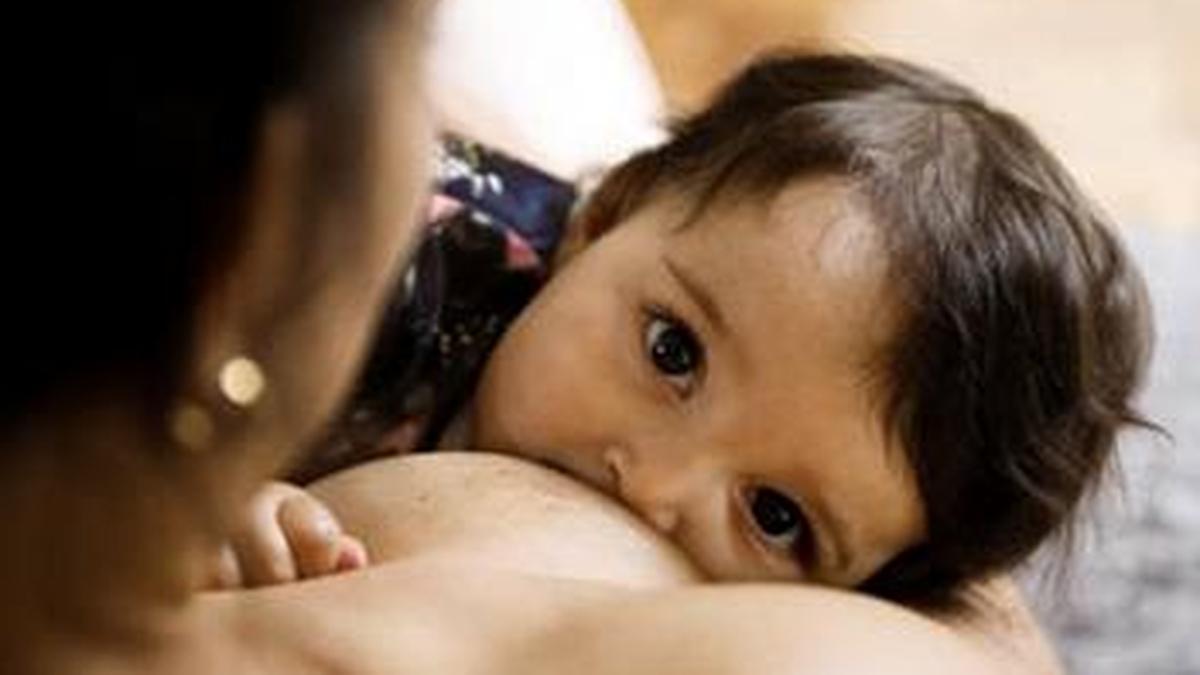
Breastfeeding plays a crucial role in shaping a baby's long-term health, yet India lags behind in promoting this vital practice. The process of producing breast milk, known as lactation, begins well before a woman gives birth, with the body preparing a thick, yellow colostrum—the so-called "liquid gold"—to feed the newborn shortly after delivery. Colostrum is rich in essential nutrients and antibodies, providing crucial protection for the infant during their first few days.
According to the World Health Organization, breastfeeding should be initiated during the "golden hour," the first 60 minutes following birth, when the mother and baby are most connected. During this time, healthcare providers should discourage pre-lacteal feeds, which are liquids or non-breast milk substances given to the infant before they begin breastfeeding. Instead, the WHO recommends exclusive breastfeeding—only breast milk—for the first six months of a baby's life.
However, despite these recommendations, India's National Family Health Survey-6 paints a concerning picture. The survey found that only 55.8% of babies under six months of age were exclusively breastfed in 2023–24. This low rate underscores the need for India to improve its breastfeeding numbers and ensure that every newborn reaps the long-term health benefits associated with this natural feeding method.
Written by urgent.news from The Hindu Health's reporting — not their text. Machine-written — may contain errors; check the original before relying on it.