Exxon, Chevron Warn Fuel Prices to Endure as War Knocks Refining
High fuel prices are likely to stick around even if oil prices drop in the coming months as the wars in Russia and Middle East leave global refining capacity critically short, ExxonMobil Holdings Corp. and Chevron Corp. warned.
ExxonMobil and Chevron have cautioned that fuel prices will likely persist even if oil prices decline in the upcoming months due to the ongoing conflicts in Russia and the Middle East. These conflicts have significantly reduced global refining capacity, leaving fuel prices stubbornly high and accelerating inflation despite falling oil prices. Neil Hansen, ExxonMobil's CFO, stated that the refining constraint is a major issue that the market is not fully aware of.
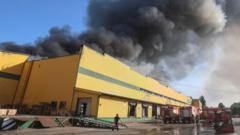
The conflict has resulted in nearly 10% of the world's crude oil refining capacity being offline, primarily due to the closure of the Strait of Hormuz, ongoing attacks on Russian refineries, and China's export ban. This shortage has led to record-high refining margins, which benefit refinery owners but increase costs for consumers.
In the United States, gasoline prices have surpassed $4 per gallon, despite a 26% drop in West Texas Intermediate oil prices since its 2026 high. Refining is currently the bottleneck in the petroleum system, with margins being exceptionally high. Chevron CEO Mike Wirth emphasized that the middle distillates, including diesel, jet fuel, and heating oil, are the most significant pain points.
Retail diesel prices are still 6% below their annual highs, even though the decline in West Texas Intermediate has been four times greater. As countries in the northern hemisphere stock up on heating oil for winter, Wirth expects further upward pressure on product pricing. Gasoline prices are beginning to deviate from oil prices, instead being influenced by storage levels.
ExxonMobil, the world's largest refinery network outside of China, sees the trend continuing, with only 5 million barrels a day of refining capacity available to meet global demand. ExxonMobil CEO Darren Woods stated that it will take time for the industry to recover from this situation.
This situation is not unprecedented this year, as oil industry participants have previously warned about the risks to the energy system. While some analysts predicted oil prices could reach $200 per barrel if the Strait of Hormuz remained closed for an extended period, the market never approached those levels despite the prolonged conflict. This time, the outcome could differ due to the persistent tightening of markets and the growing need for reliable supply.
Written by urgent.news from Fortune's reporting — not their text. Machine-written — may contain errors; check the original before relying on it.
This story
This is one outlet's version. Read the fullest account.