Dinosaur-killing asteroid may have caused firestorms 17 times hotter than the thermal limit lethal to humans
The dinosaurs may not have starved through a years-long winter. New evidence suggests a blanket of ultrafine impact dust set the planet on fire within hours.
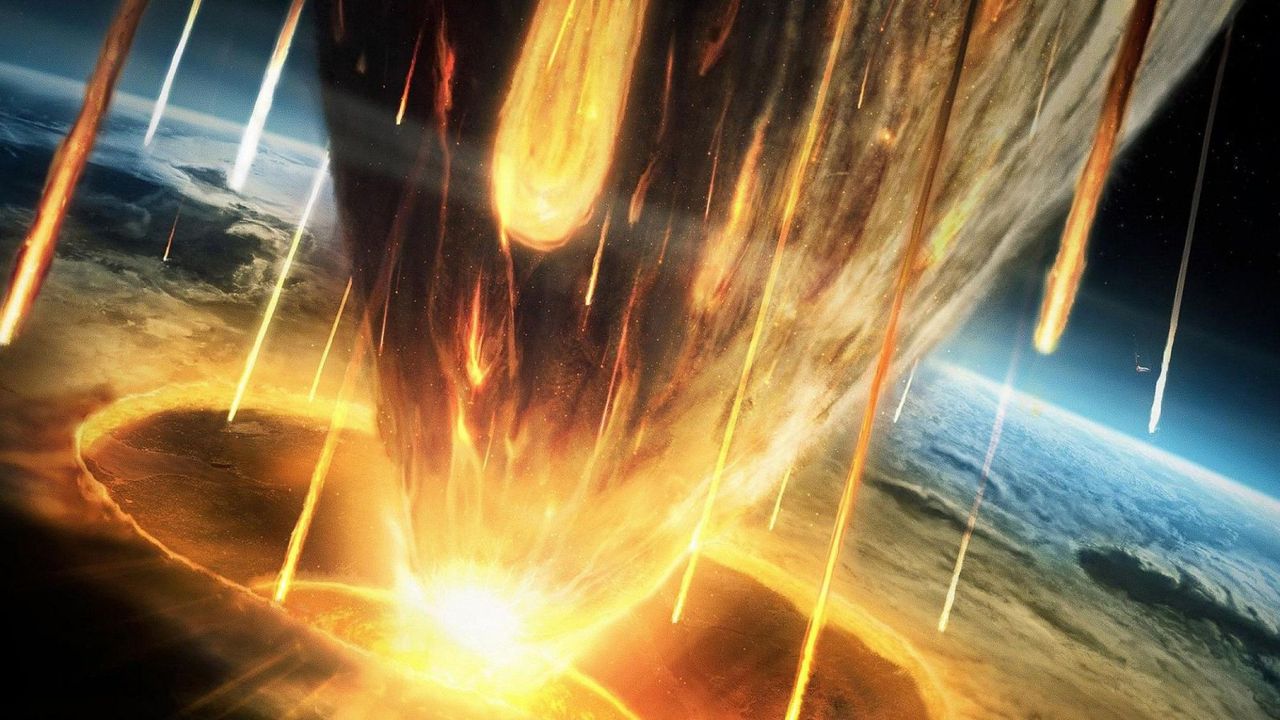
A recent study posits that the asteroid responsible for the extinction of dinosaurs may have triggered catastrophic firestorms, burning life on Earth to death within hours. The six-mile-wide asteroid slammed into Mexico's Yucatán Peninsula, leaving behind a massive crater known as the Chicxulub crater. As the asteroid vaporized rocky debris, it created a cloud of fine silicate dust that did not condense into the typical spherules, often observed in such impacts.
This dust, discovered at fossil sites in North Dakota and Colorado–New Mexico, acted like an insulating blanket, trapping heat and redirecting it towards Earth's surface. Researchers estimate that the surface heat pulse would have been 3.5 times more intense than previous models suggested, given that they only considered the spherules' impact. Such intense heat could have killed off most life forms within the first few hours after the impact.
While thick-skinned dinosaurs would have been vulnerable, animals buried underground or residing in water bodies might have had a better chance of survival. The intense radiation from the dust also exceeded the thermal threshold that could ignite thick wood, but it was sufficient to ignite grass, lichen, and pine needles, sparking widespread fires. The dust also blocked sunlight for years, leading to a prolonged "impact winter" that could have hastened the dinosaurs' extinction.
However, this theory is currently supported by evidence found only in North America. It remains unclear whether similar wildfire records will be found globally. The study, published in the journal JGR Biogeosciences on July 28, suggests that further research could shed more light on this dramatic event that marked the end of the "age of reptiles" and the beginning of the "age of mammals."
Written by urgent.news from Space.com's reporting — not their text. Machine-written — may contain errors; check the original before relying on it.