China’s next export is the world’s factory itself
China’s export boom is reaching its limits. The country’s next phase of growth will come not from shipping more goods abroad, but from exporting its factories, technologies and brands. China is running up against the limits of its old model. It is obvious as the economy looks increasingly K-shaped. Weak consumer confidence and a prolonged property slump continue to sap domestic demand, forcing…
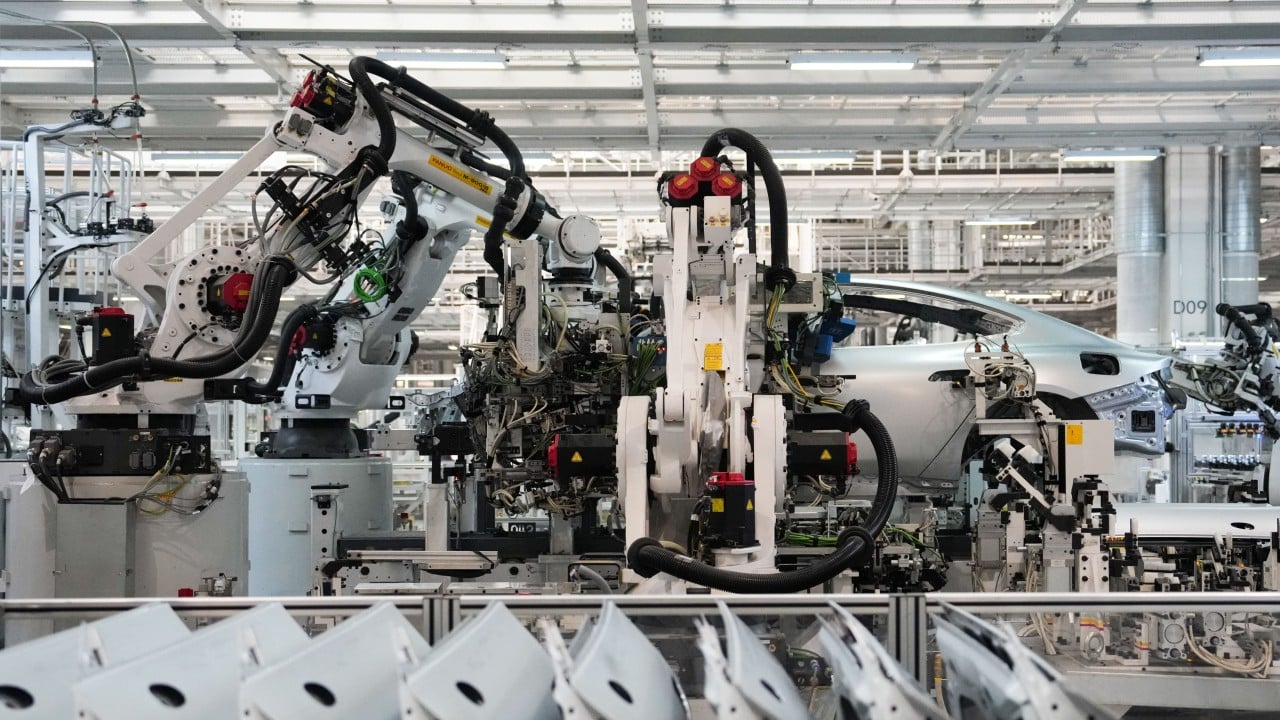
China's export boom is reaching its limits, prompting the country to shift its focus from shipping more goods abroad to exporting its factories, technologies, and brands. With weaknesses in consumer confidence and a prolonged property slump dampening domestic demand, manufacturers are increasingly relying on overseas markets for growth.
While exports have become a major engine of the Chinese economy, many countries are becoming less willing to absorb China's overcapacity. Despite shipping record numbers of cars in June, this export growth is facing resistance in various nations.
Economic data shows China's GDP growth has slowed to 4.3% year-on-year, with exports surging 27% in June but retail sales only up 1%. Real estate investment plunged by 18% in the first half of the year. The K-shaped economy, where growth is uneven, is prompting the Chinese government to explore new sources of growth. The Politburo has committed to stronger macroeconomic support and increased fiscal spending.
Beijing aims to boost consumption as it recognizes that retail sales currently account for only 40% of GDP, below the OECD average of 54%. The key question is: what will replace export-led growth? The answer is exporting the production system itself. This will involve building factories overseas, expanding Chinese brands in foreign markets, and embedding Chinese technologies and industrial standards into global supply chains. In other words, China's next export will be the world's factory.
This transition is already underway. BYD, a Shenzhen company, has seen its car exports to overseas markets rise by 71% year-on-year, while sales in China fell almost 40%. Ford's battery plant in Michigan is producing cells using battery technology licensed from China's CATL, generating licensing income for CATL. Chinese carmaker Chery is producing cars at a former Nissan plant in Barcelona, Spain.
However, China's approach differs from Japan's in the past. While Japan exported its production system by agreeing to voluntary restraints on car exports to the US in 1981, Beijing now seeks to globalize production while retaining control over its technology. Beijing is encouraging Chinese companies to build factories abroad even as it tightens export controls on advanced technologies like AI and chips.
The country is reportedly considering tighter export controls on these technologies, revealing its strategy to make Chinese factories global while keeping Chinese technology national. Over the next decade, watch China's trade surplus and overseas investment income as they determine whether China becomes the world's factory or even more powerful - the world's shareholder.
Written by urgent.news from South China Morning Post's reporting — not their text. Machine-written — may contain errors; check the original before relying on it.