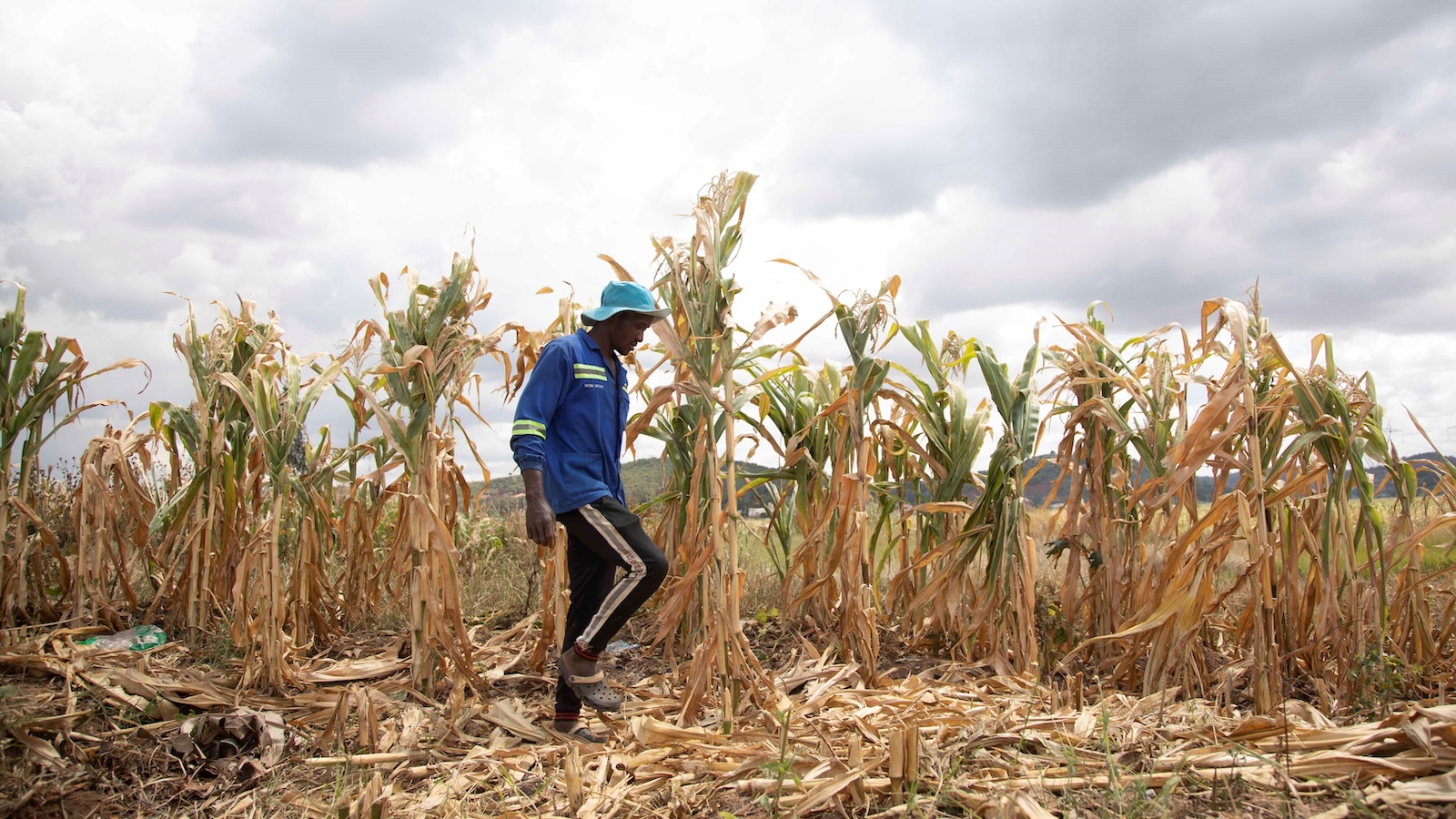
Wildfire prevention has always been a challenge in the West. Hotter, drier weather is making it worse.
In an overheating era, the old ways of keeping fires from raging out of control may no longer work.
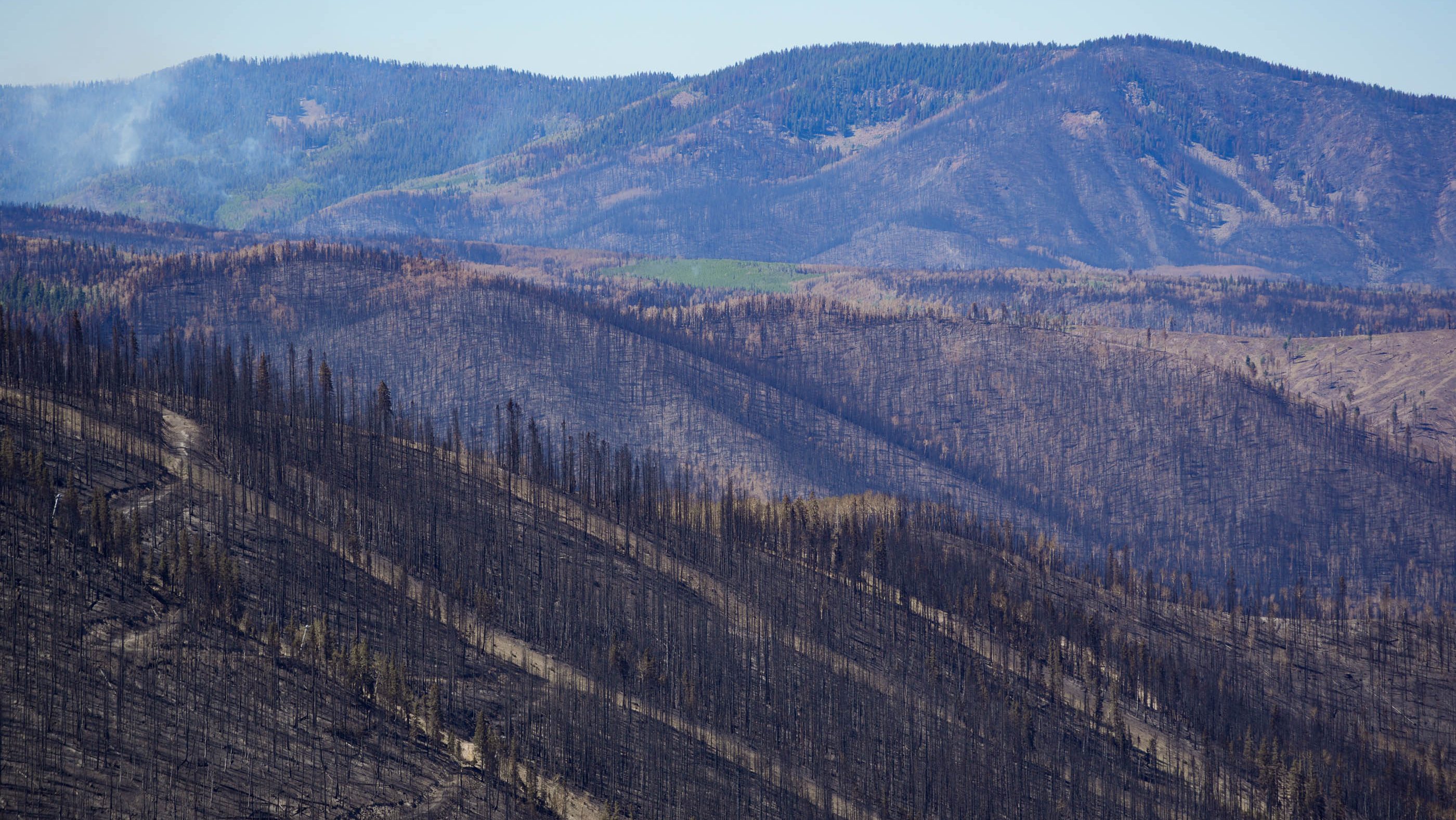
Wildfire prevention has struggled in the Western United States, where hotter, drier weather has exacerbated the problem. The Cottonwood Fire in Utah, one of the largest in the nation, burned over 97,000 acres and took 95% containment as of late Thursday, according to Utah Fire Info. Lawmakers have blamed the damage on a lack of forestry management, arguing that thinning forests and conducting controlled burns could reduce fuel for such catastrophic fires.
However, Dominik Kulakowski, a researcher on climate and mountain ecosystems, warns that traditional prevention methods may no longer be effective due to a changing climate that favors hotter, drier weather. Professor Larissa Yocom of Utah State University agrees, stating that today's extreme wildfires are defying traditional prevention methods, but she does not consider them the new normal.
Climate change has been the primary driver of wildfire risk in the West for the past two decades, according to the National Oceanic and Atmospheric Administration. Kulakowski notes that forests have evolved to adapt to fire, but the fires are now changing faster than forests can adapt. While forestry treatments like creating firebreaks, thinning forests, and scheduling prescribed burns have focused on reducing fuels, extremely fast fires can overwhelm these measures.
The Cottonwood Fire in Utah exploded by 20,000 acres overnight, evacuating homes and challenging firefighters to contain the blaze. As long as the trend of warmer and drier weather continues, so will the megafires, reducing the forest's ability to regenerate. This leads to soil sterilization and fewer surviving trees, which in turn means fewer seeds for re-growth.
Some forests may even change composition, with aspens dominating areas where conifers once thrived. In some cases, forests may not regrow at all, leading to ecosystem collapse. While some forestry managers still believe traditional fuel treatment methods are beneficial, a bipartisan group of lawmakers is sponsoring the Fix Our Forests Act, which aims to streamline and speed up fuel treatments in high-risk areas.
However, even these measures may not be enough if extreme conditions continue to overwhelm on-the-ground efforts.
Written by urgent.news from Grist's reporting — not their text. Machine-written — may contain errors; check the original before relying on it.
This story
This is one outlet's version. Read the fullest account.