Repurposed small molecule toxin inhibitors neutralise a diversity of venoms from the Neotropical viperid snake genus <i>Bothrops</i>
Snakebite globally claims more than 100,000 lives per year and results in morbidity for 400,000 survivors. Current treatment uses antibody-based antivenoms which are constrained by their efficacy, safety, and cost. In this study we evaluated the efficacy of previously described repurposed drugs against viperid snakes of the medically important Bothrops genus. Despite variable toxin representation…
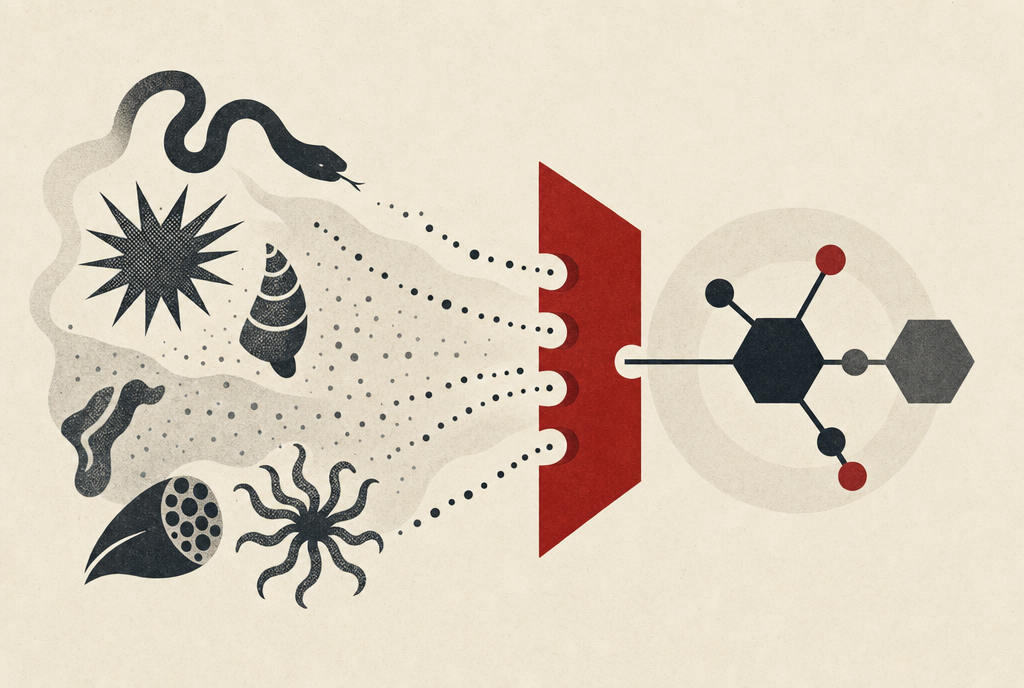
Approximately 100,000 individuals succumb to snakebite annually, with an additional 400,000 enduring lasting disabilities. Antivenoms currently used for treatment face limitations in efficacy, safety, and cost. This research sought to assess the effectiveness of repurposed drugs against various venoms from the Bothrops genus, a medically significant group of snakes found in Central and South America.
The study identified marimastat, DMPS (both targeting metalloproteinases), and varespladib (phospholipase inhibitor) as lead inhibitors capable of neutralising a wide range of toxins in enzymatic assays. Additionally, nafamostat, a serine protease inhibitor, exhibited variable activity. The metalloproteinase inhibitors proved effective in safeguarding against the procoagulant and haemorrhagic consequences of several venoms in phenotypic assays.
These discoveries underscore the potential of repurposed drugs as early interventions for the treatment of bothropic envenoming in the Neotropical region, suggesting a compelling case for their further evaluation in preclinical and clinical trials for snakebite therapy.
Written by urgent.news from eLife's reporting — not their text. Machine-written — may contain errors; check the original before relying on it.