Memory loss
A brutal July sell-off in AI chip shares has caught out many retail investors. Whether prices return to their highs is the loudest question. Mark Zuckerberg did not buy or sell a single chip, yet on July 1 his company set off the sharpest fall in semiconductor shares in years. Bloomberg reported that day that […] Memory loss was originally published on Emerging Europe .
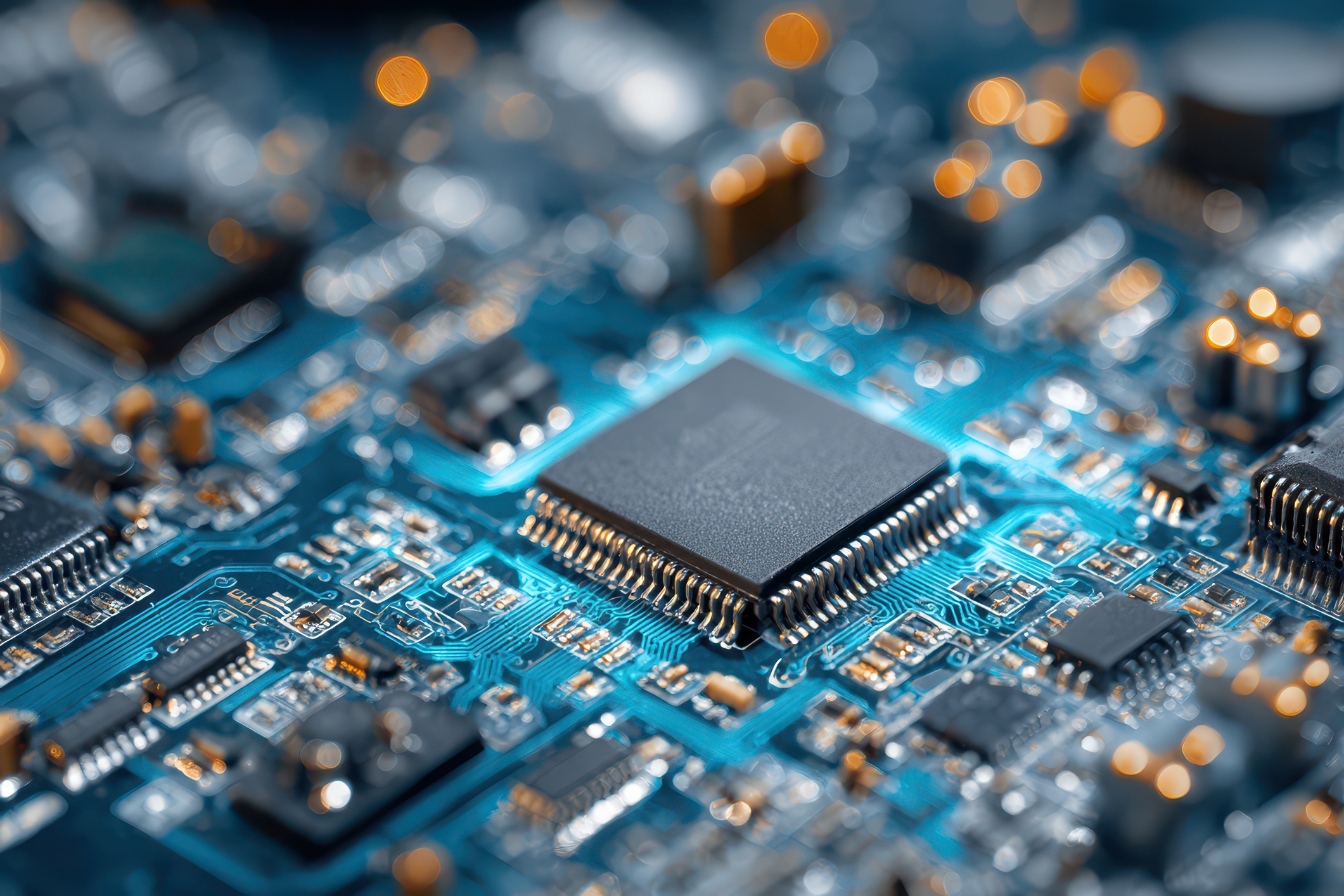
A recent sell-off in AI chip shares has left many retail investors perplexed, as Mark Zuckerberg's Meta did not buy or sell any shares. Still, on July 1, Meta's parent company precipitated the sharpest decline in semiconductor stocks in years. Meta Compute, a new venture by Meta, was announced, while CoreWeave, a rival firm, saw a 14% drop.
The Philadelphia Semiconductor Index plummeted 6.7% on July 2, its worst day since the pandemic-induced market steadiness. Memory chip titan Micron and Intel, undergoing restructuring, also experienced significant losses. The semiconductor index shed more than a fifth of its June value by mid-July, erasing over a trillion dollars in market capitalization.
Nvidia, led by Jensen Huang, faced a decline in shares following Taiwan Semiconductor Manufacturing Company's (TSMC) beat in production, despite the market's negative reaction. Samsung, reporting a profit surge, saw its stock take a hit. Nvidia's biggest clients are now designing their own chips, with Cerebras developing one for OpenAI in collaboration with the company.
ASML, a key player in chip manufacturing, reported a record order backlog, hinting at the potential oversupply of capacity. Federal Reserve Chair Kevin Warsh did little to calm nerves with his prediction of prolonged higher interest rates, further punishing chip suppliers. The rout saw the semiconductor index drop 5.1% on July 7, trailing the Dow Jones Industrial Average's record close above 53,000.
With Nvidia, the most valuable company by market cap, widely held on Robinhood, many small investors had pounced near the peak. Shrewder investors had been exiting the sector, as seen with Coatue Management's reduced Nvidia stake and Michael Burry's short position in Micron. Morgan Stanley's Joseph Moore, despite a cautious note, saw potential in the memory market into 2027, while Bank of America forecasted a two-thirds rise in chip shares.
Written by urgent.news from Emerging Europe's reporting — not their text. Machine-written — may contain errors; check the original before relying on it.