Australia’s fuel discount is ending. What does this mean for petrol prices?
From August 2, Australians will pay 16 cents more for each litre of petrol they buy.
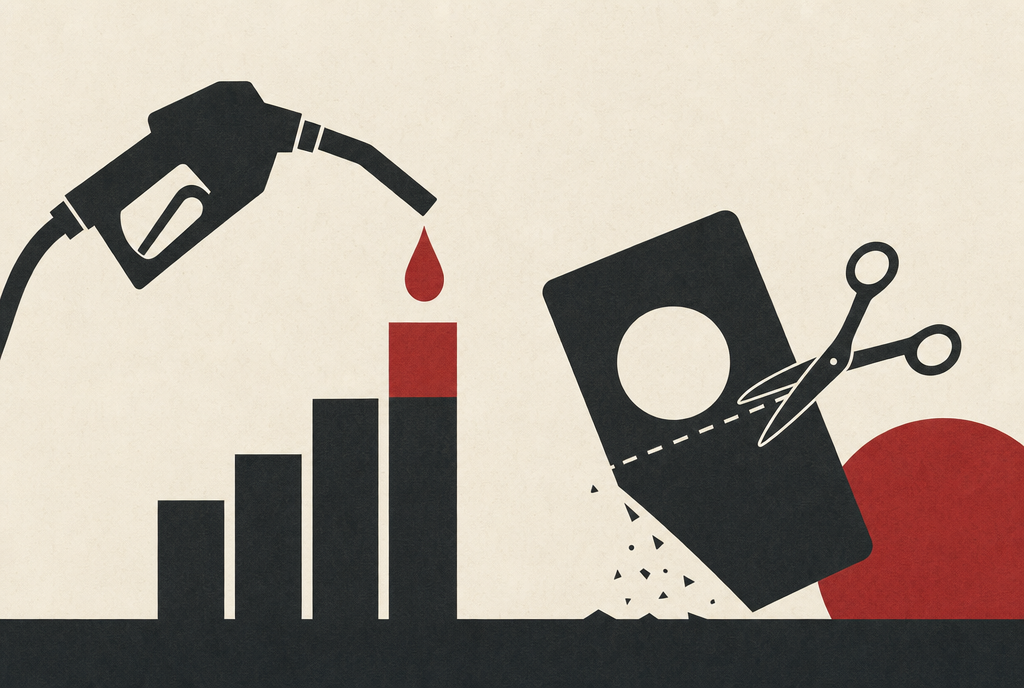
The federal government in Australia is set to end its fuel excise discount on August 2, marking a return to the standard fuel tax rate. This move comes after the discount, which was introduced in April, was scrapped as part of ongoing cost-of-living pressures and the conflict in the Middle East. The fuel excise is a tax imposed on petrol and diesel sold at retail outlets, serving as a source of government income.
The discount, reducing the fuel excise rate to 20.6 cents a litre, was intended to curb inflation but has been met with uncertainty regarding its effectiveness. When the discount ends, fuel prices are expected to increase by 16 cents a litre, potentially leading to decreased fuel consumption due to higher costs. This could result in long queues at petrol stations as people stock up on cheaper fuel before prices surge.
Additionally, industries like agriculture and freight, which rely heavily on diesel, may face higher operational costs. The government's decision to reintroduce the full road user charge for heavy vehicles will also impact these sectors. For consumers, practical measures to reduce fuel costs include exploring alternative transportation methods, maintaining vehicles, and considering the purchase of fuel-efficient or electric vehicles.
Written by urgent.news from The Conversation AU's reporting — not their text. Machine-written — may contain errors; check the original before relying on it.
This story
This is one outlet's version. Read the fullest account.