Leaving vehicle engines idling is unhealthy, expensive – and often illegal
Idling vehicles are easy targets for enforcement – they’re often left running for no good reason.
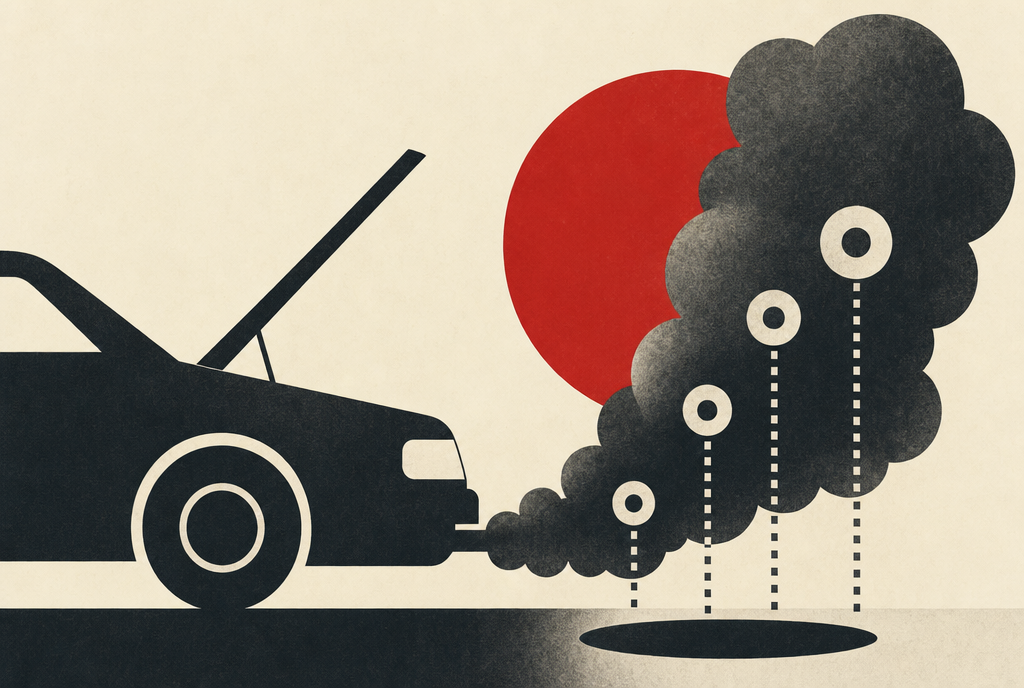
A bus company in Boston, Massachusetts has agreed to pay $5.6 million in damages to settle a lawsuit over the harmful air pollution caused by their buses idling in traffic. This case, brought under the Clean Air Act, was based on Massachusetts law that prohibits vehicles from idling for more than five minutes at a time.
Cities worldwide, including Boston, struggle with air pollution stemming mainly from vehicle emissions. This pollution has been linked to nearly 42,000 deaths in the U.S. in 2024, with each death representing more than four fatalities per hour. However, the focus of these laws is not solely on reducing air pollution; rather, it targets the more easily identifiable act of vehicles with running engines that don't need to be running.
Many states have implemented regulations around vehicle emissions due to their significant contribution to various types of air pollution. Despite the complex nature of managing environmental pollutants, the work to do so is crucial. Air pollution is especially problematic due to its widespread and transient nature, with research showing that nearly half of all air pollution-related deaths occur from pollutants emitted in neighboring states.
When vehicles idle, pollutants accumulate in the surrounding area, posing a direct threat to human health. Even brief exposure to high levels of air pollution from vehicles can increase the risk of cardiovascular damage. These emissions contribute to lung disease, exacerbate respiratory conditions like asthma, and are linked to heart disease, cancer, and premature death.
While climate change is not the primary focus of anti-idling laws, idling vehicles that burn fossil fuels also release greenhouse gases like carbon dioxide, contributing to global warming. The set of rules and regulations aimed at reducing idling are an essential part of our ongoing effort to combat air pollution and protect public health.
Written by urgent.news from The Conversation's reporting — not their text. Machine-written — may contain errors; check the original before relying on it.