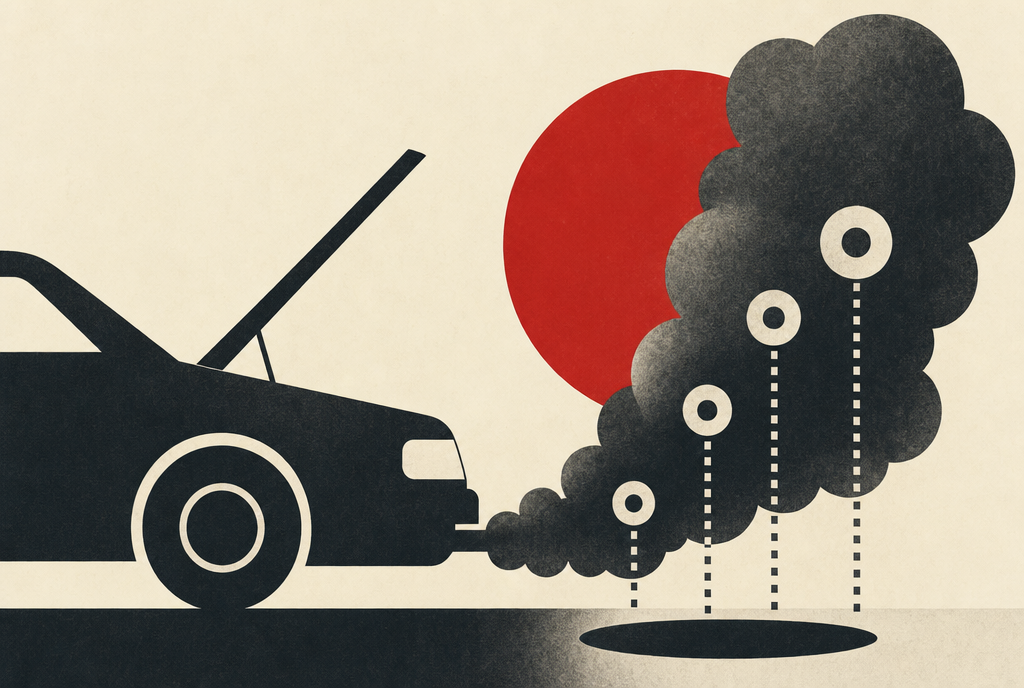
58 years of attacks on the media by powerful leaders trying to deflect criticism, from Nixon to Trump
American faith in news is at an all-time low, aided by a president hostile to the press. But presidents have long attacked journalists as biased. What does objectivity really mean?
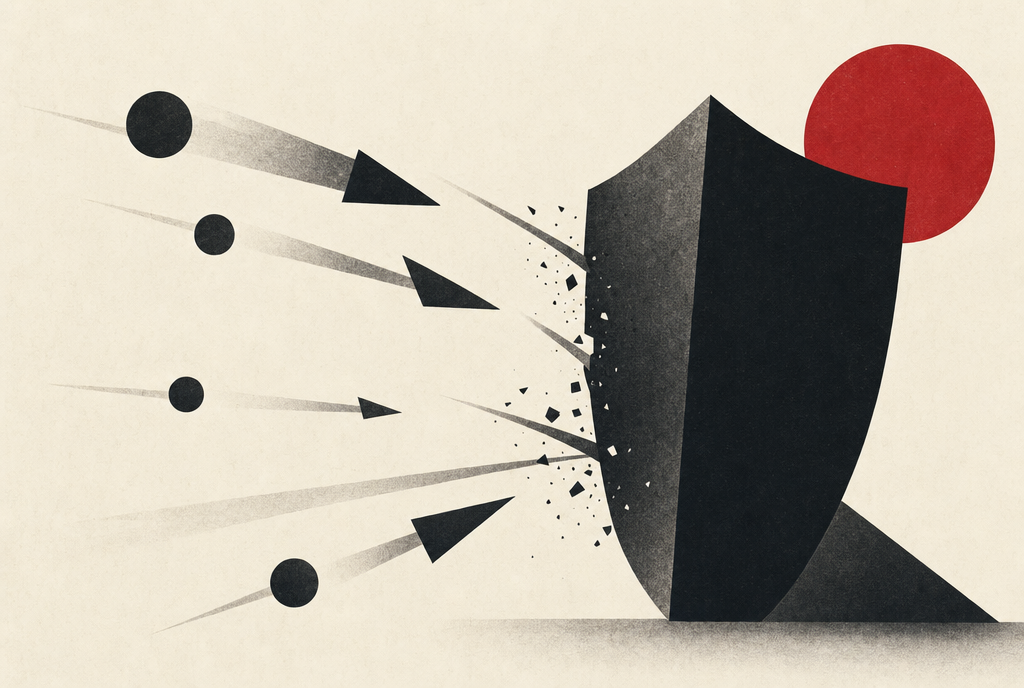
During his July 24, 2026 speech at the White House Correspondents' Association dinner, former President Donald Trump continued his long-standing attacks on the news media. He disparaged outlets like the New York Times, criticized CNN reporter Kaitlan Collins, and dismissed an award she received as "fake." He also praised the firing of CBS News staff members.
This hostility from Trump has eroded public trust in the media, which has reached an all-time low. While the current situation is unique, a history of presidential use of the media to delegitimize journalists dates back decades.
Republican candidate Richard Nixon, during his 1968 campaign, criticized police brutality coverage as one-sided in favor of antiwar protestors. Once president, Vice President Spiro Agnew verbally attacked journalists, calling them an "effete corps of impudent snobs" hostile to the administration. In a 1969 speech, Agnew singled out NBC anchorman David Brinkley for questioning objectivity in journalism, arguing that fairness was a more realistic goal.
He challenged people to tell the networks they wanted their news "straight and objective," framing this as an alternative to government interference.
Brinkley's statement was realistic, acknowledging journalists' human biases and the need for impartiality. However, journalists felt threatened by the potential for censorship. Balanced reporting was not only a professional standard but also a business necessity, as only three national nightly news shows existed, all competing for the widest audience possible.
Agnew targeted television specifically because it had become the leading news source for Americans. The Federal Communications Commission's licensing system, which granted broadcast licenses, made broadcasters vulnerable to presidential pressure. This historical context still resonates today, as seen when comedian Jimmy Kimmel faced temporary suspension from ABC after angering Trump supporters.
Written by urgent.news from The Conversation's reporting — not their text. Machine-written — may contain errors; check the original before relying on it.